REVIEW · AMSTERDAM
Amsterdam: Haunted History and Ghost Walking Tour
Book on GetYourGuide →Operated by Empire Tours and Productions (Amsterdam) · Bookable on GetYourGuide
Amsterdam at night has a second voice. This 2-hour walk ties Dam Square to the Nieuwe Kerk, then moves through Spinhuis, Begijnhof, Blood Street, and the Waag with eerie stories that match what you see around you.
I love how the guide makes street history feel human. When I read how guides like Sunil and Duncan bring humor and strong context into the telling, it makes the tour feel less like a script and more like a walk with a smart local.
One possible drawback: if you want pure ghost theatrics, this experience can skew more toward historical stories with a spooky tone than full-on jump-scare vibes.
- Start at Dam Square, then step into the Nieuwe Kerk for royal ceremonies and underground resting places
- Spinhuis at dusk, where women’s-prison history becomes the emotional center of the tour
- Begijnhof’s nun legend, told through the quiet, enclosed feeling of the courtyard
- Blood Street on cobblestones, with violence and punishment tied to a real alleyway
- Waag’s Purgatory and Enlightenment, mixing science-era curiosity with chilling tales
In This Review
- Dam Square Meeting Point: where the spooky walk begins
- Nieuwe Kerk stops: royal rituals and crypt whispers
- Spinhuis Prison: women’s confinement stories at dusk
- Begijnhof courtyard: the nun condemned to silence
- Blood Street cobblestones: violence you can walk through
- Purgatory of the Waag: Enlightenment science and unsettling remains
- What the $30 price buys (and how to judge value)
- Pace, comfort, and picking the right mood
- Should you book this haunted history tour?
- FAQ
- Where is the meeting point for the tour?
- How long is the Amsterdam haunted history walking tour?
- Is the tour guided in English?
- What’s included in the price?
- Is food or drinks included?
- Is the tour wheelchair accessible?
- What locations are visited during the walk?
- Is there free cancellation?
- Can I reserve and pay later?
Dam Square Meeting Point: where the spooky walk begins
This tour starts right by the big Amsterdam postcard spot: Dam Square. Your guide meets you in front of Hotel Krasnopolsky, behind the monument at Dam Square, so you get an easy mental anchor from minute one.
The best part for me is that you’re not wandering randomly. You’re walking with a plan, and each stop explains what you’re looking at and why it matters. That matters in Amsterdam, where the buildings are gorgeous but the stories aren’t always obvious at street level.
Nieuwe Kerk stops: royal rituals and crypt whispers
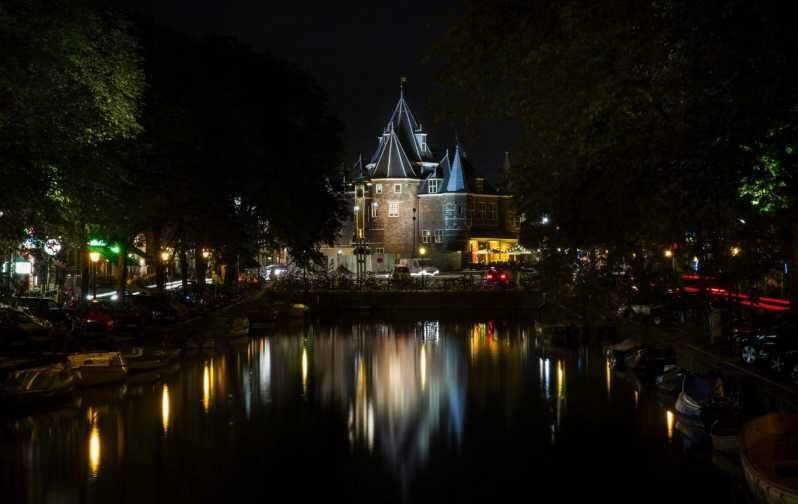
From Dam Square, the tour heads to the Nieuwe Kerk. This is where the “haunted history” angle starts feeling real, not just theatrical—because you’re learning how public power and private burial spaces overlap in the same building.
Expect talk of royal ceremonies and the underground crypts and vaults where notable figures lie. You’ll also hear how the echo-y architecture of a church can make ceremonies feel distant and human remains feel closer.
Practical note: churches often mean cooler air and stone surfaces. If you’re doing this in colder months, layer up so you can stay present while the stories get darker.
You can also read our reviews of more walking tours in Amsterdam



Spinhuis Prison: women’s confinement stories at dusk
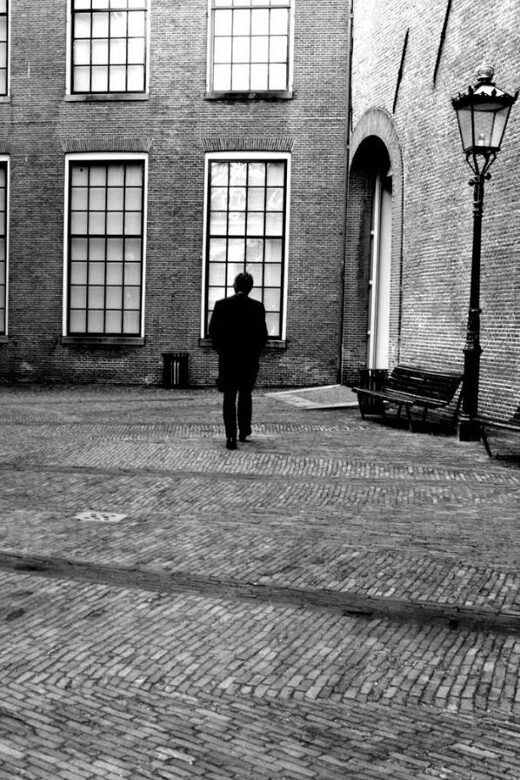
Next comes the Spinhuis, a former women’s prison that shows up as a turning point in the atmosphere. The tour is designed to feel heavier as dusk descends, so the setting supports the story instead of fighting it.
You’ll hear about sorrowful confinement and the way people lived under punishment when society had very few escape routes. This stop isn’t only about fear—it’s about understanding how Amsterdam handled crime, morality, and gender long before modern courts.
If you like history that has a heartbeat—human choices, consequences, and power—it’s one of the most compelling segments of the walk. It’s also a good reminder that “haunted” doesn’t have to mean supernatural effects to still feel unsettling.
Begijnhof courtyard: the nun condemned to silence
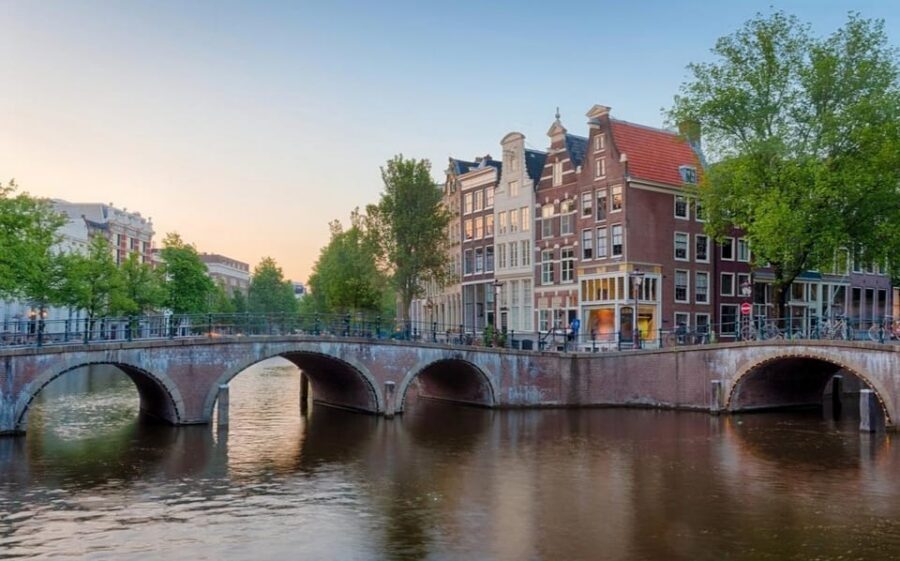
Then the tour slips into the Begijnhof, one of those peaceful Amsterdam corners that feels like it’s sealed off from the street. That contrast is the whole point: calm space can still hold tragic stories.
You’ll hear the legend of a nun condemned to wander in silence after breaking her vows. The way this is told matters. The courtyard’s quiet makes the narrative land with more weight, even if you’re not in a mood to be scared.
I like this stop because it balances mood with meaning. You get an atmosphere (soft, enclosed, still) and a story about strict rules, discipline, and what happens when someone breaks them.
Blood Street cobblestones: violence you can walk through
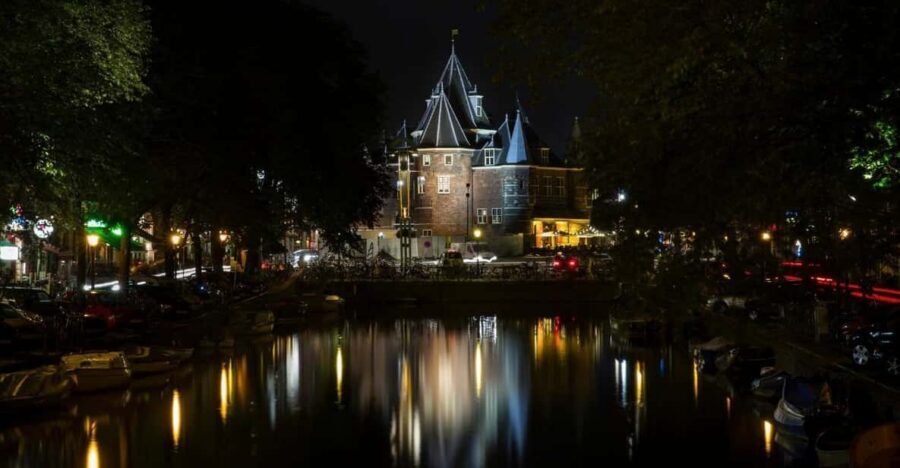
From Begijnhof, things turn darker again with a stop on Blood Street. This is a narrow, lived-in alley, and the tour leans into how centuries of violence can seem to linger in the cobblestones.
Expect stories involving murder and mayhem, tied directly to the location rather than floating as generic horror plots. The value here is practical: you see the city’s past in the exact streets you’re standing on.
This segment also works well for people who like photos and urban details. Some guides even use a digital slideshow on an iPad with contemporary photos, paintings, and newspaper material, which helps you picture how the street looked in earlier centuries.
Wear good shoes for this part. Cobblestones are part of Amsterdam’s charm, but they can turn a two-hour walk into a test if you’re in flimsy footwear.
Purgatory of the Waag: Enlightenment science and unsettling remains
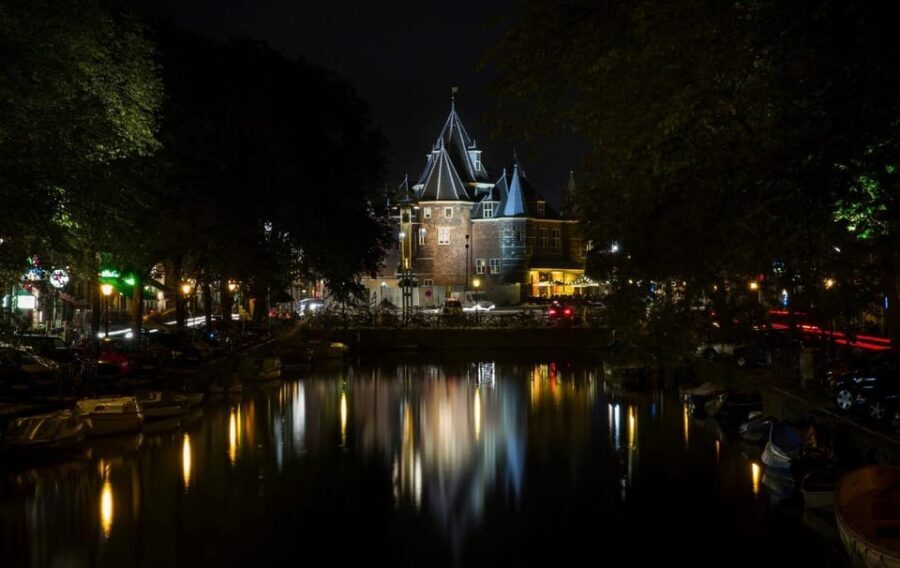
The final stop is the Purgatory of the Waag. This is where the tour connects “haunted history” with the Age of Enlightenment—when science, curiosity, and public fascination often walked hand in hand with something darker.
You’ll hear how scientific curiosity existed alongside gruesome practices, including stories about people who were dissected within the Waag. The theme is unsettling, but the angle is smart: it shows how society can call something progress while it still harms real bodies.
If you enjoy the crossroads of science and ethics, this is a strong ending. It leaves you with a question that lingers after the tour: how often do we celebrate knowledge without asking what it cost?
You can also read our reviews of more historical tours in Amsterdam



What the $30 price buys (and how to judge value)
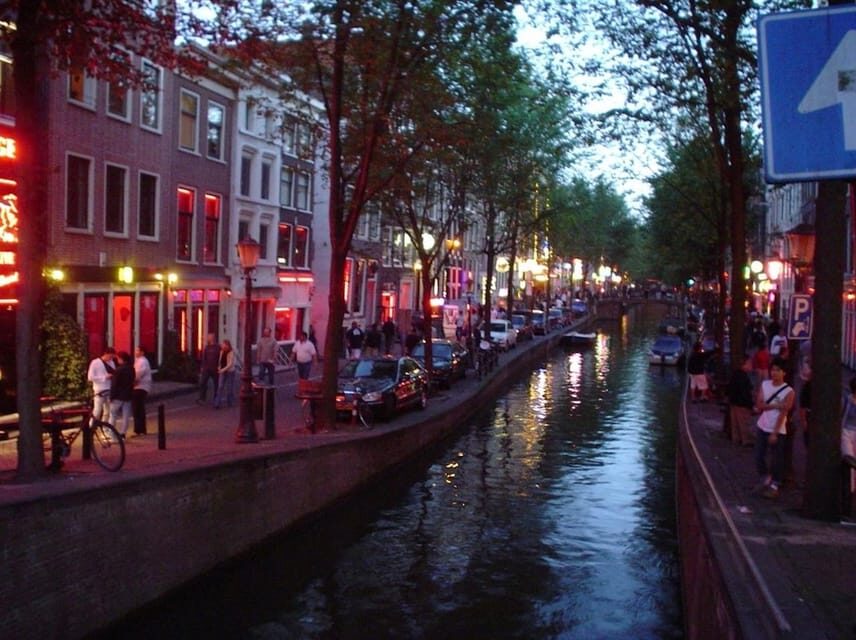
At $30 per person for about two hours, this is priced like a focused guided walk through central Amsterdam, not a long museum day. For the money, you get a live English guide and storyteller, plus a route that stitches together several key sites: Dam Square, the Nieuwe Kerk, Spinhuis, Begijnhof, Blood Street, and the Waag.
Value-wise, I think it hits best if you want:
- a shortcut into lesser-known parts of the Dam area
- a guided explanation of buildings you might otherwise miss
- spooky stories that are grounded in actual places
If you mainly want special effects, props, or heavy ghost “performance,” the price may feel steep for the tone you’re expecting. One review-style detail I’d treat as a warning sign for your expectations: at least one guide is described as more skeptical about ghosts, which can shift the experience toward historical storytelling over paranormal dramatics.
Pace, comfort, and picking the right mood
This is a walking tour, so build it into a day when your legs are ready for a couple of hours. You’ll be moving between stops in central Amsterdam, and several parts are outdoors, meaning weather can absolutely shape the feel.
I’ve seen feedback mentioning cold, wet conditions and even pouring rain. So if you’re planning in shoulder season, bring something warm and waterproof enough to keep you comfortable while you listen.
Group size can also affect your experience. Some bookings have ended up very small, which typically means more room for questions and a more personal pace. If you’re the type who likes to ask why something happened historically, that small-group possibility is a plus.
Finally, about scare levels: one person noted that the later 8pm slot may be spookier. If you’re choosing between start times, that’s a useful clue. Earlier tours can feel more like dark history with spooky flavor; later ones may push the mood further.
Should you book this haunted history tour?
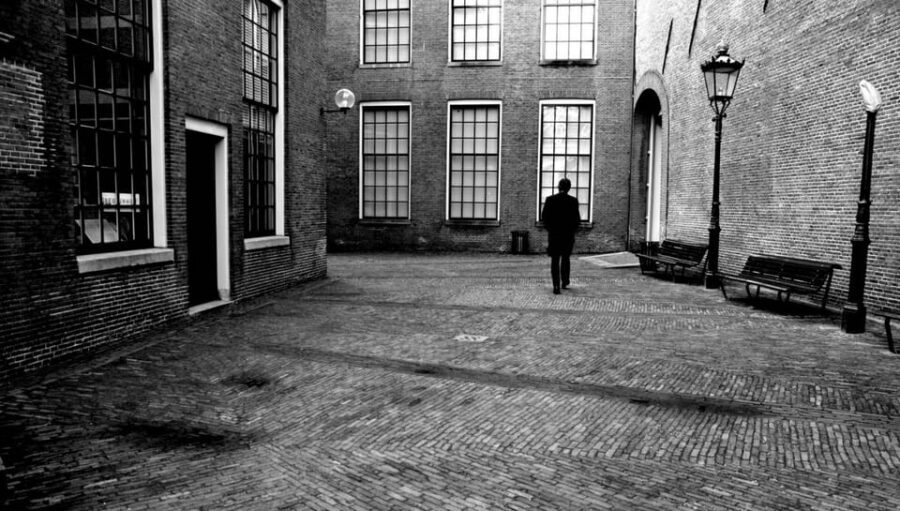
Book it if you want a fun, story-driven way to understand Amsterdam’s darker side using real locations. The route hits strong “story buildings” (Nieuwe Kerk, Spinhuis, Begijnhof, Waag), and the best guides like Sunil, Duncan, and Jan bring both humor and clarity to the facts.
Skip it or lower your expectations if you’re coming only for full ghost theatrics. This is still about ghosts, but the core of the experience is historical storytelling with an eerie tone, sometimes more history than supernatural fireworks.
If you want one reliable match: first-timers to Amsterdam who enjoy walking, architecture, and human history will usually love it—especially if you like your spooky with context.
FAQ
Where is the meeting point for the tour?
Please meet in front of Hotel Krasnopolsky, behind the monument at Dam Square, where the guide will be waiting.
How long is the Amsterdam haunted history walking tour?
The tour lasts 2 hours.
Is the tour guided in English?
Yes, it includes a live guide and the tour is in English.
What’s included in the price?
You get a walking tour with a guide and storyteller.
Is food or drinks included?
No, food and drinks are not included.
Is the tour wheelchair accessible?
Yes, it’s listed as wheelchair accessible.
What locations are visited during the walk?
The tour includes stops at Dam Square, the Nieuwe Kerk, Spinhuis, the Begijnhof, Blood Street, and the Purgatory of the Waag.
Is there free cancellation?
Yes. You can cancel up to 24 hours in advance for a full refund.
Can I reserve and pay later?
Yes. Reserve now and pay later is available, so you can book your spot without paying immediately.