REVIEW · LEIDEN
Historical Private Tour of Delft and Leiden including Transfer
Book on Viator →Operated by Discover Delft · Bookable on Viator
Two Dutch cities, one focused morning. This private tour of Leiden and Delft is built for people who want the highlights with real context, from old city gates to the places tied to Dutch art. You start in Leiden, end in Delft, and the guide keeps the story moving while you hop between key squares and monuments.
I especially liked two things: the way the route is practical (it begins near Leiden Central Station and stays walkable), and the guide energy. In past tours, guides like Niels and Jocelyn got praise for being flexible with timing and for speaking English clearly. One possible drawback is the walking: it’s light-to-moderate, but you should plan for a steady pace and a bit of hill-and-stairs energy around viewpoints.
One more thing to consider: the tour ends in a different location (you finish at Beestenmarkt in Delft), so you’ll want to plan your next stop or transport accordingly.
In This Review
- Key highlights worth your time
- How this private day tour really runs (and why it matters)
- Leiden orientation: starting at Beestenmarkt and finding the city’s old spine
- Morspoort and Molen de Put: medieval gate energy and Rembrandt’s mill type
- Rembrandtplaats, Stadsgehoorzaal, and the art-meets-city feel on Breestraat
- Pieterskerk, the 1596 Town Hall, and the Burcht hill viewpoint
- The Leiden-to-Delft transfer: 20 minutes of logistics that saves your day
- Delft’s Markt square: orange-family resting place and the tower you’ll spot
- Old Church and Oude Delft: why Delft feels crooked and important at the same time
- Museum Prinsenhof: where a national turning point connects to local streets
- V.O.C. armory territory and the Vermeer viewpoint spot
- Beestenmarkt in Delft: old animal markets, Delft Blue makers, and a very old hospital
- Price and value: what you’re paying for at about $260.36 per person
- Who should book this tour (and who might not love it)
- Should you book? My practical decision guide
- FAQ
- Is this tour private?
- How long is the tour?
- Where do I meet the guide in Leiden?
- How do you get from Leiden to Delft?
- Is the tour offered in English?
- Does it include hotel pickup and drop-off?
- Are any admission tickets included?
Key highlights worth your time
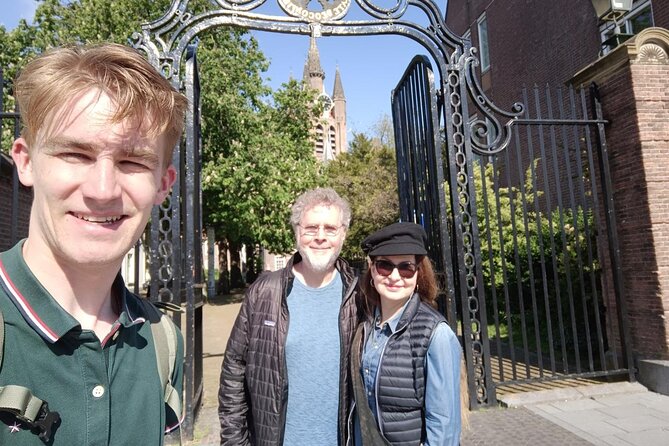
- A tight 4.5-hour loop across two cities with a built-in transfer so you don’t have to coordinate anything.
- Rembrandt and Vermeer connections at multiple stops, not just one quick mention.
- Leiden’s major landmarks on foot (churches, town hall, city castle viewpoint) without long detours.
- Delft’s canals and landmark square time at Markt, plus the Old Church area and Oude Delft facades.
- Private guide, just your group for questions and pace that works for your day.
- All fees and taxes included with free admission at each stop, plus a mobile ticket for convenience.
How this private day tour really runs (and why it matters)
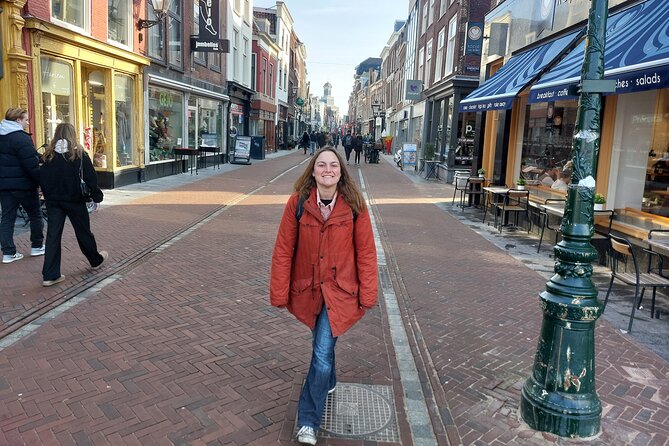
This is a private experience, meaning only your group participates. That changes the feel a lot. You can ask questions as you walk, slow down for photos, or spend an extra minute on a facade if something catches your eye.
The day is timed around one key idea: you’re seeing Leiden first, then heading to Delft. The transfer is short—either by train or by car (the plan typically uses a 20-minute train ride to Delft). The tour is offered in English, and there’s an air-conditioned vehicle available for the short transfer between cities.
If you select the option with pickup, you’ll be picked up from your chosen location up to 1 hour before the start and dropped off again after. If not, you meet the guide at the meeting point in Leiden. Either way, you’ll finish in a different place than where you started, so don’t assume you can walk back to your first hotel.
You can also read our reviews of more tours and experiences in Leiden.
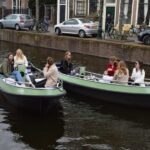
Leiden orientation: starting at Beestenmarkt and finding the city’s old spine
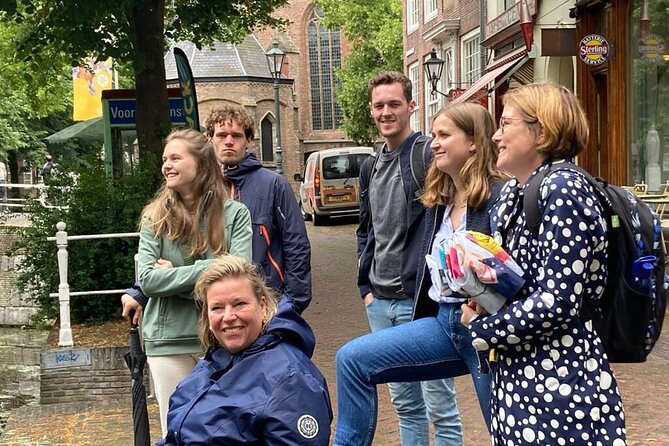
You meet your guide in the middle of Beestenmarkt, which is about a five-minute walk from Leiden Central Station. That’s a smart start point. It makes the tour easy to fit into a travel day, especially if you’re already using the station area for trains and buses.
From there, you ease into Leiden’s old layout. You’ll spend time at Beestenmarkt and then move toward the historic city entrance.
Why this works: it gets you oriented fast. Within the first hour you’re not just seeing buildings—you’re learning how Leiden’s shape and defense mattered, and how the city’s “center” has shifted over time.
Morspoort and Molen de Put: medieval gate energy and Rembrandt’s mill type
The first big landmark vibe is Morspoort, one of Leiden’s oldest entrances. Even if you’re not into medieval fortifications, this type of gate tells you a lot: where people flowed into town, what “protected” looked like, and why old cities feel tighter than modern ones.
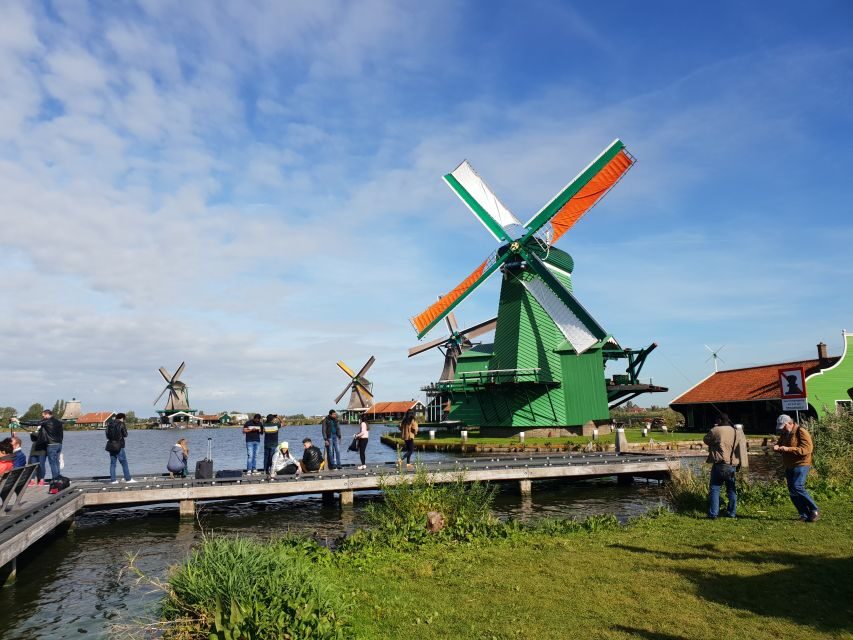
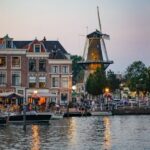
Then you walk past Molen de Put, the iconic 17th-century windmill. The tour connects it to the broader Dutch mill tradition by noting it’s the same type of mill that the parents of Rembrandt owned. That’s a fun link because it moves the Rembrandt story beyond paintings and into daily life and tools—how the Dutch lived while artists grew up.
Practical tip: keep your camera ready early. The lighting near gates and historic streets can be especially photogenic, and you’re still fresh before the day gets busy.
Rembrandtplaats, Stadsgehoorzaal, and the art-meets-city feel on Breestraat
Next comes Rembrandtplaats, a square named for Rembrandt van Rijn. The guide ties it back to Leiden’s connection to the artist—he used to live here. You’re not just getting a name on a map; you’re getting a sense of how an actual person’s presence shaped where people gathered.
On the way along Breestraat, you’ll see the Stadsgehoorzaal, a concert hall that’s still used. This is a good stop for two reasons:
- It reminds you that historic cities aren’t frozen in time.
- It shows how older street life and public culture sit side-by-side.
If you like architecture and city rhythm, this section is a nice “pause and notice” part of the tour. The buildings aren’t just pretty; they hint at what life looked like when Leiden was growing into its role in Dutch history.
Pieterskerk, the 1596 Town Hall, and the Burcht hill viewpoint
You can’t miss Pieterskerk Leiden, and the guide will talk through its story, including that it dates back to the 12th century and that it’s still used today. A church like this does two jobs at once: it’s a religious landmark and a timeline in stone. If you’ve ever wondered why European cities feel layered, this is where that feeling becomes concrete.
Then you’ll see het Stadhuis van Leiden uit 1596, the old town hall. It’s one of those buildings that looks instantly important, and the tour gives you the why behind its iconic status.
Finally, you visit the exterior of the Burcht van Leiden, a defensive castle area on a hill. You get the exterior—so plan on viewpoint energy more than a deep interior visit. That said, standing at or near a hilltop is one of the fastest ways to grasp a city’s logic: defense, visibility, and how the city spreads downhill.
If your group includes anyone who likes photos, this is usually a prime moment for a few shots looking back at the city’s layout.


The Leiden-to-Delft transfer: 20 minutes of logistics that saves your day
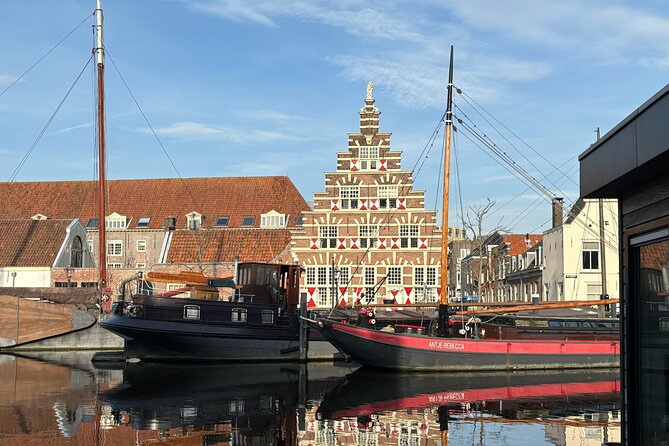
The tour includes a transport step that’s short on stress and long on value: you head to Leiden Centraal Station and take a train ride to Delft (about 20 minutes). That helps a lot if you’re trying to avoid wasted time shuttling between locations on your own.
Once you arrive, you’re placed right into Delft’s center on Markt, which is the kind of location you want to reach quickly. You’ll get time for landmarks right away rather than losing your first hour to transit fatigue.
Delft’s Markt square: orange-family resting place and the tower you’ll spot
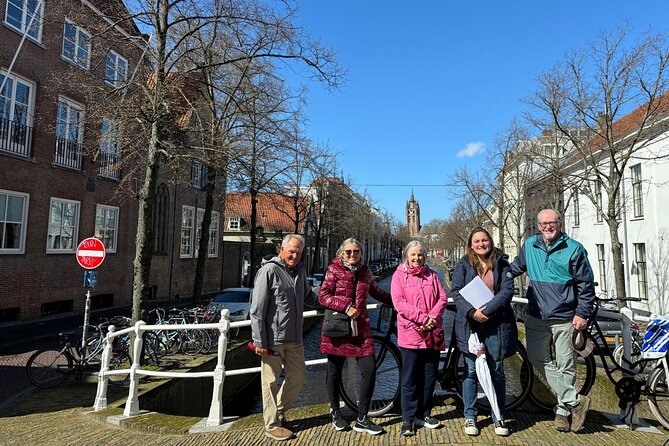
At Markt, you’ll see several of Delft’s headline sights. The tour highlights the second-tallest church tower of the country, plus the final resting place of the Orange family. You’ll also see Delft’s 17th-century town hall and more around the same hub of attention.
This stop works well because it’s a “map moment.” Before you start walking into side streets and canals, you learn what the city centers around: church power, civic power, and the political legacy tied to the ruling Orange family.
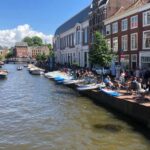
On the way, the tour notes you cross Delft’s oldest and second-oldest canals. That’s more than trivia—it’s a hint that Delft’s water network isn’t just scenic. It shaped movement, trade, and where the city put its most important buildings.
Old Church and Oude Delft: why Delft feels crooked and important at the same time
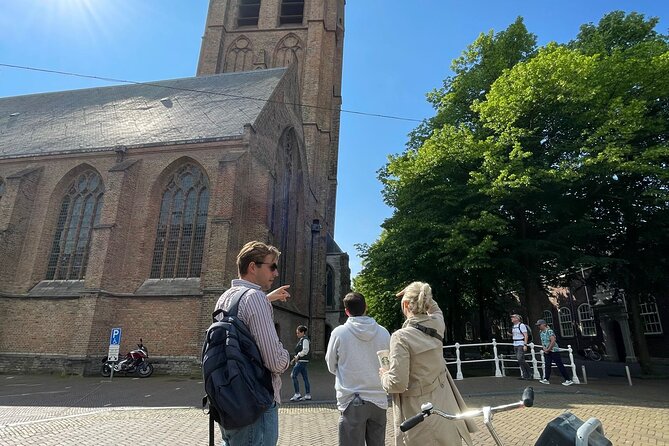
Next you head into the area connected to the city’s old beer brewing quarter, where you’ll also find the Old Church. The guide points out why it looks the way it does, including that it’s leaning. Even without getting technical, the leaning detail makes the building memorable because it signals real history: how soil, time, and construction choices can change what you see today.
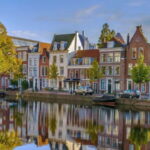
Then you pass Gemeenlandshuis van Delfland along the Oude Delft canal. The facade is heavily decorated, and the tour explains what the building is and why it was important. This is one of those moments where Delft’s canal architecture stops being background and becomes a story about governance and regional water management.
Practical photo tip: canal facades look best from a bit back, with a slight angle. As you move along the canal, you’ll notice how the buildings “frame” the street rather than sitting alone.
Museum Prinsenhof: where a national turning point connects to local streets
At Museum Prinsenhof Delft, the tour gives context for why this place matters in Dutch history. It’s tied to a major event: the Father of the Fatherland was assassinated here.
This is a good stop for people who want history that connects to real locations. Instead of learning about a date in a classroom way, you get the sense that these events played out inside a physical setting people walked by then—and still walk by today.
Even if you’re not a museum person, the Prinsenhof stop can still land well because it gives meaning to the street-level view around it.
V.O.C. armory territory and the Vermeer viewpoint spot
South of the city, you’ll pass the Armamentarium, described as a former weapons armory of the V.O.C. That alone sets up a big theme: Delft’s role in the Golden Days of the Dutch Republic wasn’t only art—it also tied into trade power and military logistics.
Around this area, the guide also points out the exact spot where Vermeer was standing when he made his painting View of Delft. This is the kind of moment that changes how you look at a city. Suddenly the painting isn’t just a flat scene. It’s tied to a position you can imagine walking into.
If you’re an art fan, this is one of the most satisfying parts of the whole day, because you’re getting both the artistic story and the physical orientation in the same stop.
Beestenmarkt in Delft: old animal markets, Delft Blue makers, and a very old hospital
You wrap up back at Beestenmarkt in Delft. The tour frames it as a picturesque square that used to host animal markets—so you can picture a daily rhythm that’s totally different from today’s strolling crowd.
On the way, you pass former Delft Blue pottery manufacturers, plus an old synagogue and the oldest hospital of the Netherlands. That mix is why this final stretch feels rich without turning into museum overload. You get culture, craft, faith, and public health all in one compact area.
It’s also a good ending location because it’s a recognizable square with plenty of nearby options for your next step, even though the tour itself ends there.
Price and value: what you’re paying for at about $260.36 per person
At $260.36 per person for around 4 hours 30 minutes, you’re paying for a few things that are hard to replicate on your own:
- A private guide who connects locations into a clear story
- A transfer between Leiden and Delft (typically by train, with short-ride vehicle support available)
- All fees and taxes included
- Mobile ticket convenience
- English guiding plus the option for hotel pickup/drop-off if you choose it
One quiet value point: the itinerary lists admission tickets as free at each stop. That means you’re not likely to get hit with entry fees that blow up your budget mid-day. You’re spending your time on sights and explanations rather than ticket lines.
Where this price feels most fair is when your group wants two cities in one go. If you have friends or family and the timing matters, the private format plus the transfer logistics can save real stress, not just money.
Who should book this tour (and who might not love it)
This is a strong match if you:
- Want Rembrandt and Vermeer links without building a full art itinerary yourself
- Prefer guided walking over reading museum placards on your own
- Like getting the city’s “why” behind the buildings (not just the what)
- Have a small group and want questions answered in real time
It might be less ideal if you:
- Want long indoor time in major museums (this day is built around walking and key stops, not deep museum sessions)
- Have very limited mobility and would struggle with a moderate walking pace (the tour requests a moderate physical fitness level)
- Need your end point to be the same as your start location (it ends in Delft)
Should you book? My practical decision guide
Book it if your goal is a well-paced day that connects Leiden and Delft through landmarks, art clues, and city history—without wasting your trip on figuring out transport and meeting points. The private format makes the story feel personal, and the presence of guides like Niels and Jocelyn in past experiences is a reassuring sign that English guiding is handled well.
Hold off if you’re trying to keep expenses super low or you’re only interested in one city. For a single-city visit, you might be better off with a focused tour in either Leiden or Delft and spend more time at your top pick.
If you’re torn, here’s the easiest test: if you want to leave Delft understanding why the city looks the way it does—leaning churches, canals, and the art viewpoint—this tour is built for exactly that kind of payoff.
FAQ
Is this tour private?
Yes. It’s a private tour/activity, and only your group will participate.
How long is the tour?
It runs about 4 hours 30 minutes (approx.).
Where do I meet the guide in Leiden?
You meet in the middle of Beestenmarkt square in Leiden, about a 5-minute walk from Leiden Central Station.
How do you get from Leiden to Delft?
You make your way to Leiden Centraal Station and take a train to Delft for about 20 minutes. The transfer can also be by car, depending on the option.
Is the tour offered in English?
Yes, the tour is offered in English.
Does it include hotel pickup and drop-off?
Pickup and drop-off depend on the option you book. If included, you’ll be picked up from your selected location up to 1 hour before the tour starts and dropped off afterward.
Are any admission tickets included?
The stops are listed with admission ticket free, and the tour includes all fees and taxes.