REVIEW · LEIDEN
Dutch Windmills & Polder Walking Tour
Book on Viator →Operated by Holidays in Holland · Bookable on Viator
Dutch windmills make sense fast here. This easy walking tour in Leiden connects the dots between windmills and the polders that kept the area safe from flooding. You’ll spend the walk spotting windmills from the outside and learning how that pumping system changed life in Holland, plus you’ll get photo chances along the river.
What I like most is the clarity: you’ll see the key windmills up close enough to understand their role, even though you’re not going inside. I also like the setting. The route mixes calm neighborhoods, the medium-sized De Zijl river, and open polder views, so it feels like you’re escaping the city without actually leaving it far behind.
One thing to think about: this is mostly an outside windmill experience. If you’re hoping for museum-style interiors or hands-on mill machinery, you may feel slightly shorted. Also, you’ll want decent weather—this tour runs only when conditions cooperate.
In This Review
- Key highlights
- Why the polders matter more than the photos
- Getting to the walk: Leiden Centraal and the Starbucks meeting point
- Stop 1: Merenwijk windmills and the polder mindset
- Stop 2: Stadsmolensloot and the double job of mills
- Stop 3: De Zijl river walk through Dutch neighborhoods
- Stop 4: Kinderboerderij Merenwijk ends the story with animals
- Stop 5: Broekdijkmolen and the polder views you came for
- Price and value: what $45.76 buys you in real time
- Who should book this polder-windmill walk
- Should you book the Dutch Windmills & Polder Walking Tour?
- FAQ
- How long is the Dutch Windmills & Polder Walking Tour in Leiden?
- Is this tour offered in English, and is it private?
- What’s included in the ticket price?
- Do you go inside the windmills?
- Where do we meet in Leiden?
- What should I know about weather and possible cancellations?
- Can I cancel for a full refund?
Key highlights
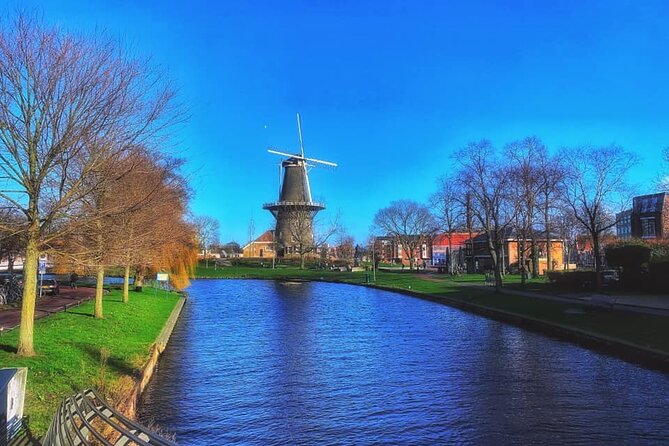
- Broekdijk + Boterhuis windmills from the outside, with an explanation of how pumping reclaimed land
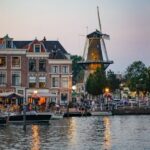
- Stadsmolensloot (Leiden city windmill), used for both water management and later grain work
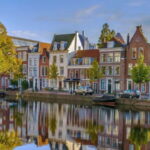
- De Zijl river walk through quiet neighborhoods with classic Dutch house-and-apartment architecture
- Photo stops on the way to the polders, where windmills and water sit together in your frame
- Kinderboerderij Merenwijk end stop with farm animals in a lakeside setting
Why the polders matter more than the photos
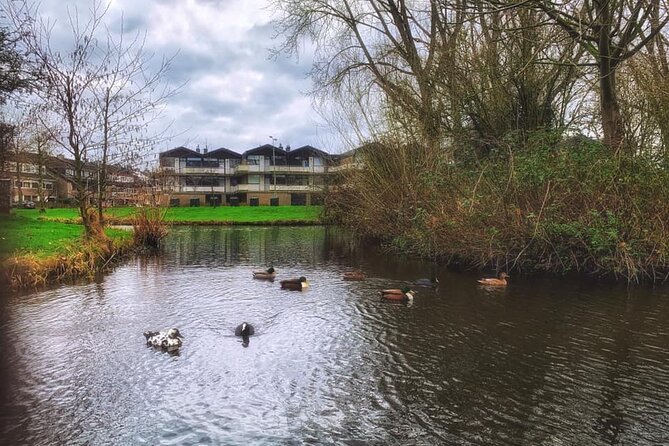
Windmills get credit for being photogenic. But on this walk, they earn their reputation. The whole point of the polder system is practical: keeping land usable by managing water that wants to go where it shouldn’t. Here, the guide explains the old pumping technique in a way that feels logical once you actually see the mills and the water around them.
You’ll also understand why the Dutch didn’t treat water as background scenery. Instead, it shaped daily life and planning. That’s what makes this tour feel more than a stroll with pretty backdrops. You get a real sense of cause and effect: wind turns, pumps move water, and land stays dry enough for farming and neighborhoods.
Finally, the route keeps your eyes busy for the full 1 to 1.5 hours. You’re not staring at one attraction. You move between windmills, waterways, and a countryside edge near the city.
You can also read our reviews of more tours and experiences in Leiden.
Getting to the walk: Leiden Centraal and the Starbucks meeting point
Plan to start at Leiden Centraal, at the Bargelaan entrance near Starbucks. The specific meeting spot matters here because the tour begins right there, and the end loops back to the same area.
This is offered as a private tour/activity, so your group stays together. The tour is listed in English, which makes explanations about the polder system much easier to follow. If you’re traveling with a service animal, it’s allowed.
Timing-wise, the tour runs during the day (meeting hours are listed from 8:30 AM to 5:00 PM). And because you’ll be walking on flat ground, you don’t need to be a mountain athlete—moderate fitness is the typical requirement.
Tip: arrive a few minutes early and double-check you’re at the Starbucks entrance area. It’s an easy station to misread at first if you come in from the wrong side.
Stop 1: Merenwijk windmills and the polder mindset
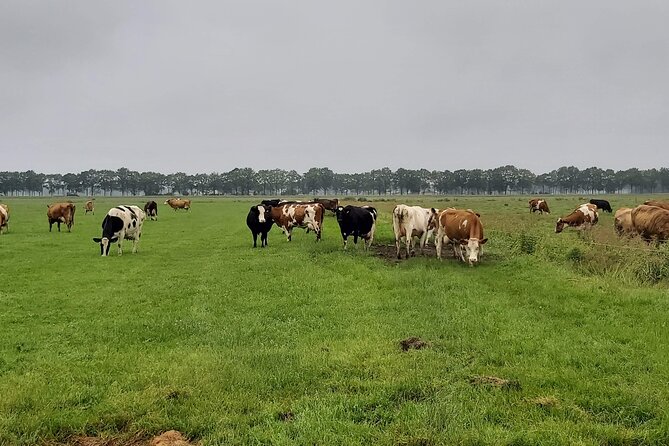
The walk starts in Merenwijk, a calmer side of Leiden that feels greener and more open than the center. The guide takes you past old windmills used to pump water during land reclamation. Two key ones you’ll see from outside are the Broekdijk windmill and the Boterhuis Windmill.
This is the best place to get your bearings. When you spot the mills and hear how they were used to keep sea water from flooding the region, everything else clicks. It’s one of those moments where the Dutch obsession with water management stops feeling abstract.
You’ll also pass a golf course in this area. It’s not the star attraction, but it adds variety to the walk—manicured greens next to the practical water-and-wind story. Expect about 15 minutes here, mostly walking and looking outward rather than touring inside.
Stop 2: Stadsmolensloot and the double job of mills
Next comes Stadsmolensloot, another windmill linked to Leiden’s water control. This one is described as the city’s windmill on the outskirts, also used to reclaim land by pumping water.
What’s especially interesting is the second purpose: the mill later served in grain-making. That detail helps you see Dutch wind power as flexible and efficient, not just a one-trick tool.
You’ll view it from outside and spend around 10 to 15 minutes. It’s a short stop, so pay attention during the explanation. This is where the guide often ties the polder story to everyday food and work—why mills mattered beyond flood prevention.
Stop 3: De Zijl river walk through Dutch neighborhoods
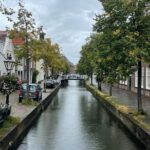
From here, the route shifts into a quieter stretch. You’ll walk toward the river Zijl through a neighborhood with typical Dutch houses and apartments. This part is less about windmills and more about getting a feel for how everyday Dutch living sits near waterways.
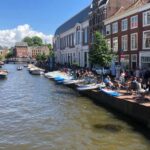
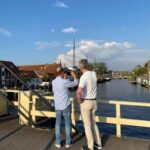
Then you reach De Zijl, described as a medium-sized river flowing through South and West Holland through polder areas. The vibe changes again: you’re moving along the water toward the polders and windmills, which makes this a great segment for photos that actually explain the setting.
Expect about 20 minutes for this stretch. Also, the timing is smart. The walk gives you a breath between windmill explanations, so you don’t feel like you’re in a museum line.
Practical note: because this is a walking tour, you’ll want comfy shoes. Even with flat ground, cobblestones or paths can add up.


Stop 4: Kinderboerderij Merenwijk ends the story with animals
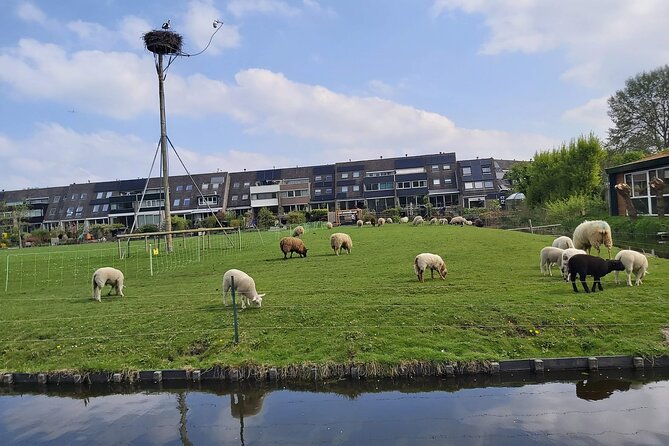
The final act takes you to Kinderboerderij Merenwijk, a children’s farm in a lake district setting. Here, the tone gets lighter. Instead of wind and water, you’re meeting farm animals—ones you might not see at home.
This stop also includes admission, and it’s about 15 minutes. It’s short, but it’s a nice reset if you’ve spent the whole tour learning about water systems and reclamation. It also makes the tour feel family-friendly without dragging on.
After the farm time, your guide brings you back toward the starting area so you can take your bus or other transport back. The tour ends back at the meeting point area near Leiden Centraal.
If you’re traveling with kids, this end stop is often the part they’ll remember more than the windmill math.
Stop 5: Broekdijkmolen and the polder views you came for
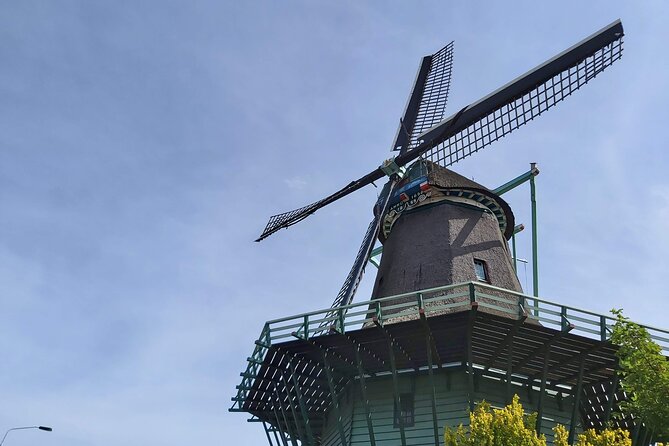
Just when you think you’re done with the windmills, you get one more. The tour includes Broekdijkmolen, another picturesque windmill in the Merenwijk district.
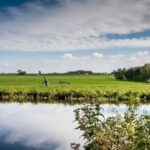
Again, it’s from the outside, but you’ll get an explanation of how it worked in earlier centuries. The location is part of the lesson: you’re next to both a golf course and the Broek polder, so you can see how recreational and residential areas sit inside the same water-managed logic.
Expect about 15 minutes for this final windmill stop and photo time. This is the place to grab your clearest shots, because you’ll be close enough to frame the mill with water and polder surroundings.
Price and value: what $45.76 buys you in real time
At $45.76 per person, this isn’t a budget sprint, but it also isn’t a big-ticket excursion. What justifies the price is simple: you get a guided walk that strings together several distinct points—multiple windmills, a river segment, and a lakeside farm—without you needing to piece routes together yourself.
Also, 500 ml bottled water is included. That sounds small, but on a walking tour it matters, especially in warmer or breezy weather when you don’t want to hunt for a shop mid-route.
The tour includes all fees and taxes, and you use a mobile ticket. So you avoid that awkward moment of figuring out printed tickets while you’re already trying to meet your guide near a station.
One more value point: you’re not just being told what windmills look like. You’re getting context about why they were built and how they shaped land reclamation and even grain production. That’s the difference between seeing windmills and understanding them.
Who should book this polder-windmill walk
This tour is a strong pick if you want:
- an easy, flat walk with good explanations
- a way to see windmills around Leiden without committing to a full-day countryside trip
- a route that includes both water history and an animal stop
It also works well if you’re the type who likes “small scale” experiences. You’re not traveling far for a single landmark. You’re walking through the kind of everyday Dutch space where historic water control and modern neighborhoods overlap.
If you hate walking in general or you’re looking for a long, in-depth mill interior experience, you might prefer a museum or a longer guided site tour. Here, the timing is tight: you’ll see a lot, but mostly from the outside.
Should you book the Dutch Windmills & Polder Walking Tour?
My take: yes, book it if you want an efficient, meaningful introduction to how polders and windmills shaped life around Leiden. The best part is the structure—windmills first, then the river, then the farm—so the story doesn’t feel dry and it doesn’t drag.
Before you book, do one honest check: are you okay with mostly outside views of the windmills? If you’re fine with that, you’ll come away with a clear picture of why these structures were built where they are.
Also, if you want a calm break from the city but don’t want a huge time commitment, the 1 to 1.5 hour format is a sweet spot.
FAQ
How long is the Dutch Windmills & Polder Walking Tour in Leiden?
The tour runs about 1 hour to 1 hour 30 minutes. The walk includes multiple short stops, including time near windmills, a river segment, and an end visit to a children’s farm.
Is this tour offered in English, and is it private?
Yes. The experience is offered in English, and it’s listed as private, meaning only your group participates.
What’s included in the ticket price?
You get 500 ml bottled water per person, plus all fees and taxes. The children’s farm admission is also included.
Do you go inside the windmills?
No. The windmills on this route are described as being viewed from outside, with explanations of how they worked in earlier centuries.
Where do we meet in Leiden?
Meet at Leiden Centraal at Bargelaan, 2312 AJ Leiden, at the entrance to Starbucks. The activity ends back at the same meeting point area.
What should I know about weather and possible cancellations?
The experience requires good weather. If it’s canceled due to poor weather, you’ll be offered a different date or a full refund. There’s also a stated minimum number of travelers.
Can I cancel for a full refund?
Yes. You can cancel for a full refund if you cancel at least 24 hours before the experience’s start time. If you cancel less than 24 hours before, the amount paid is not refunded.