REVIEW · AMSTERDAM
Private Kinderdijk UNESCO Site and South Holland Tour
Book on GetYourGuide →Operated by Greetings from Europe · Bookable on GetYourGuide
One day that explains the Netherlands fast: windmills for survival. The Private Kinderdijk UNESCO Site and South Holland Tour blends Dutch engineering you can actually see up close with a guided look at a classic city in South Holland. I like how the day moves beyond postcard views and adds context for why these windmills matter.
Two things I really like: first, you get to experience Kinderdijk windmills both from the outside and from the inside, so you understand how they work rather than just admiring them. Second, the private format means your guide can shape the pacing for your group, and I’d bet you’ll appreciate that—especially if your guide is Gopi, who’s known for adapting the tour to guests and explaining things clearly in excellent English.
The main drawback to consider is time. It’s an 8-hour day with a decent drive from Amsterdam (about 75 minutes each way), and that means your second city stop will be more of a smart highlights tour than a deep, all-day wander.
In This Review
- Quick takes before you go
- Why Kinderdijk matters more than the photos
- The 75-minute drive: private comfort, simple pacing
- Inside and outside Kinderdijk windmills: what to look for
- The boat ride: a smarter way to see the pumping station area
- South Holland’s flood story in plain language
- Your second stop: choose the right South Holland city vibe
- Rotterdam: modern edges and food-market energy
- Gouda: cheese country and old-town landmarks
- Leiden: canals, courtyards, and Rembrandt connections
- The Hague: politics and grand-city form
- Delft note (if it’s offered for your walking portion)
- The guide makes the day: clear explanations, flexible pacing
- Price and value: what $765 covers (and what to double-check)
- Practical details that affect your comfort
- Who should book this tour (and who might not)
- Should you book this Private Kinderdijk and South Holland tour?
- FAQ
- How long is the tour?
- What is the price and group size?
- Do you get hotel pickup and drop-off?
- Which cities can I choose after Kinderdijk?
- Is the boat ride included at Kinderdijk?
- Are Kinderdijk entrance fees included?
Quick takes before you go
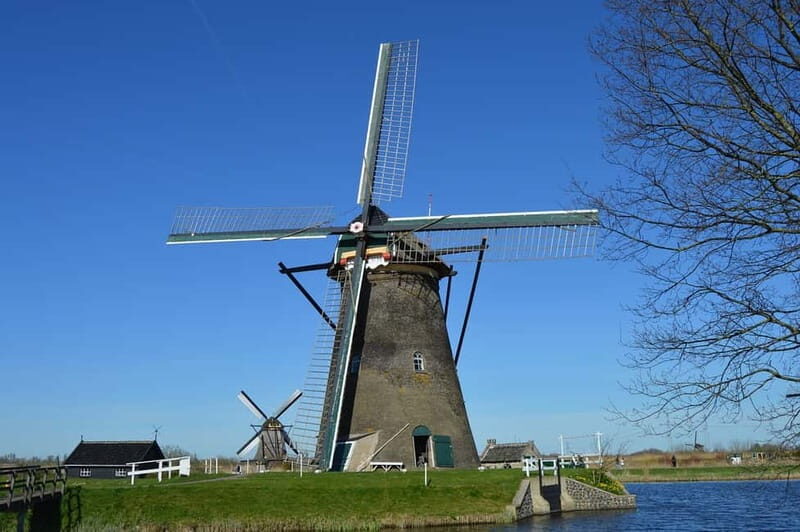
- Kinderdijk UNESCO access: windmills viewed from inside and outside, not just through a fence
- Boat ride among the windmills: a different angle on the pumping station area and views
- Flood control context: the below-sea-level setting turns the story from history to practical engineering
- Flexible South Holland city choice: Rotterdam, Gouda, The Hague, or Leiden, plus a guided walking component
- Private guide, small group: pickup/drop-off and a guide who can slow down or speed up for you
Why Kinderdijk matters more than the photos
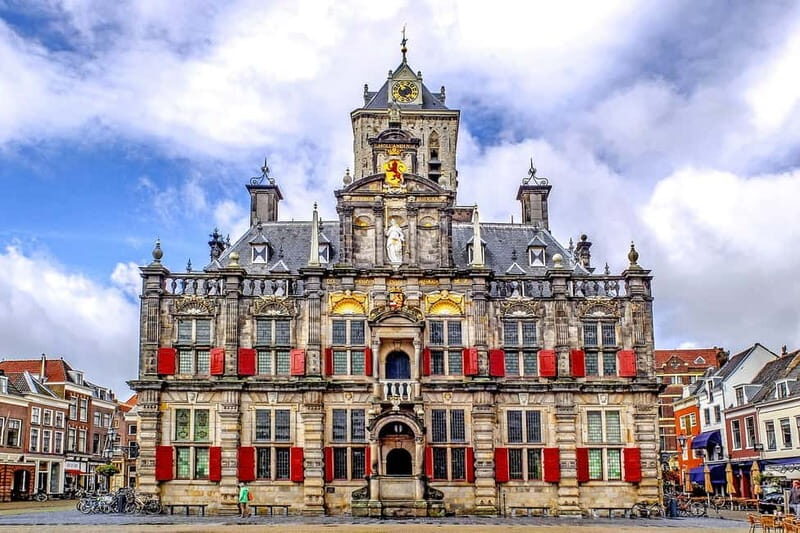
Kinderdijk is one of those rare UNESCO places where the “wow” is also functional. Yes, the 19 windmills look stunning and line up perfectly for photos—but the point is bigger. This area sits below sea level, and without constant pumping and management, flooding would be a recurring threat.
So when you’re standing at Kinderdijk, you’re not just looking at old machinery. You’re seeing the physical answer to a very Dutch question: how do you keep land dry when water is always trying to move in? That’s why it feels different from a typical heritage stop. The windmills are the museum, but they’re also the story.
I also like that the visit gives you a sense of scale and system. The windmills and pumping stations work as a collective. Once you start thinking in “system” terms, everything clicks—how the windmills fit the landscape, what the pumping process was designed to do, and why the site became so important for protecting daily life in South Holland.
You can also read our reviews of more private tours in Amsterdam

The 75-minute drive: private comfort, simple pacing
You’ll be picked up from your Amsterdam hotel (or wherever you choose), and the drive to Kinderdijk takes about 75 minutes. That’s long enough that I’d treat the ride as part of the experience rather than a blank stretch—especially because the tour keeps things organized after you arrive.
Transport is private, which matters. You’re not competing for space on a crowded bus, and you can keep your schedule sane for a full day. The car used is a Hybrid Toyota Corolla Station Wagon 2020, comfortable for 3 adults and 1 child, so it’s a good fit for families or small groups.
One more practical note: the day totals 8 hours, so don’t expect huge downtime. If you’re the type who loves a slow museum sit-down, plan for the fact that most of your time will be active—walking, viewing, and guided explanation.
Inside and outside Kinderdijk windmills: what to look for
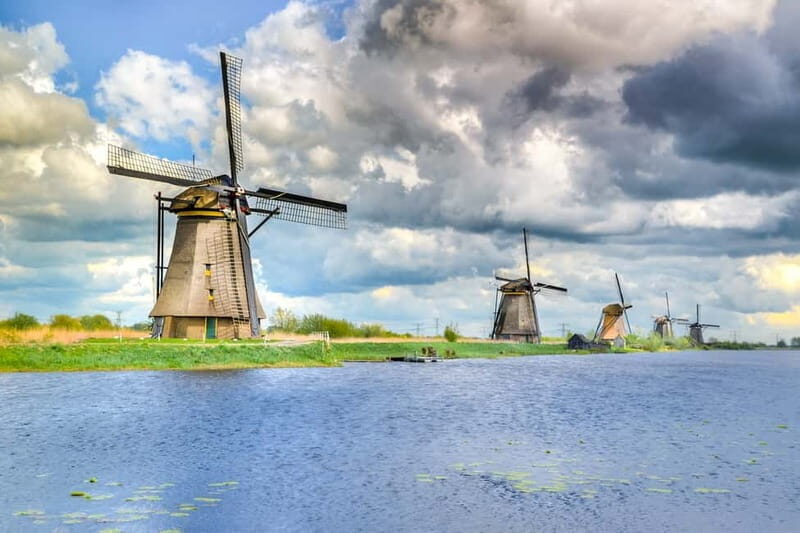
The core of the experience is the Kinderdijk visit with windmill time both outside and inside. That inside access is the difference between learning and merely observing. From the outside, you can track the windmill’s shape and structure, then—once inside—you get the feel of the working environment and how the space supports the machinery conceptually.
Here’s what I suggest you actively notice during the inside portion:
- how the windmill’s structure is set up to handle motion and mechanical work
- how the building layout helps explain function (even if you’re not a mechanical engineer)
- how the site’s design supports continuous operation in a system, not a single moment
From the outside, aim for the small details that photos usually miss: how the windmills line up across the pumping area, how water and land boundaries shape the setting, and how the wind direction (even when you’re just thinking about it) connects to why these structures were so necessary.
And yes, the views are still a major part of the appeal. Kinderdijk has that UNESCO “perfect rhythm” look, and the tour leans into it so you get both the engineering story and the scenery.
The boat ride: a smarter way to see the pumping station area
If you want the best perspective, take the boat ride during your Kinderdijk time. Being on the water changes how you read the entire complex. You get surrounded-by-windmills views, and you can see how the windmills sit in relation to the waterways and pumping stations.
This is also where the day feels most memorable. Standing on land gives you details; the boat gives you layout. You’ll likely come away understanding how the site functions as a connected water-management zone—rather than a row of separate attractions.
Practical tip: dress for cool or breezy conditions even when the weather seems mild. Wind off the water can surprise you, and the boat portion is usually short enough that you’ll want to be comfortable rather than toughing it out.
South Holland’s flood story in plain language
The tour’s strongest value is the explanation of why this place exists. Kinderdijk was created to keep the area dry, and that makes the Netherlands’ long relationship with water feel immediate.
Here’s the story in practical terms, the way you’ll come to understand it during the day:
- the area is below sea level
- without continuous pumping and management, water pressure and flooding risks become daily realities
- wind powered the pumping system long enough to protect settlements and farmland
That context makes your whole day work better. When the guide points out connections between the windmills and water control, you can see the “why” behind the engineering. It stops being just history and becomes a lesson in how people solved a problem using the technology available at the time.
I also like that this isn’t presented as doom and gloom. It’s a story of planning, work, and the practical ingenuity that allowed normal life to continue in a tricky physical environment.

Your second stop: choose the right South Holland city vibe
After Kinderdijk, you get options for a historic city in South Holland. Which one you pick depends on what kind of atmosphere you want after the windmill focus.
Rotterdam: modern edges and food-market energy
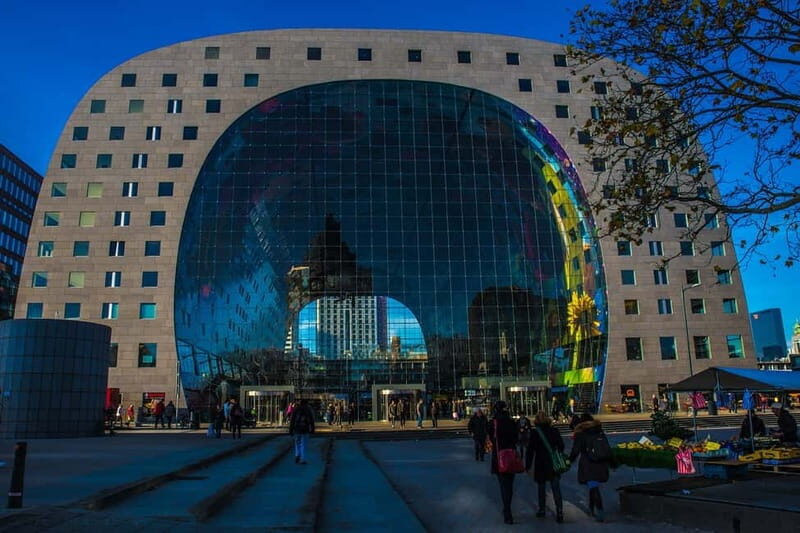
Rotterdam is the second biggest city in the Netherlands and tends to feel different from Amsterdam. It’s more modern, with high-rises and impressive bridges. If you want a city that feels like it’s still growing, this is a strong choice.
A few highlights you’ll likely aim for:
- Markthal, known for 100+ food stalls and restaurants
- the Cubic house
- Depot Boijmans Van Beuningen
There’s also an optional idea in the mix: a water taxi to Hotel New York for a swanky high tea. If that appeals, ask your guide how they’d time it with your schedule.
Gouda: cheese country and old-town landmarks
Gouda is a 750-year-old historic city, and it’s closely linked with Dutch cheese culture. The vibe is more traditional and slower. It’s a great match after the technical focus of Kinderdijk.
On a guided visit, you can expect to orient around key landmarks such as:
- Sint-Janskerk
- City Hall
- Goudse waag
In at least some versions of the day, there’s even a short local cheese farm stop for tasting different milk types—goat, sheep, and cow—so you can understand why the cheeses differ. That kind of tasting makes the place feel real, not staged.
Leiden: canals, courtyards, and Rembrandt connections
Leiden is known for Rembrandt, plus a city pattern that stands out: lots of courtyards and canal streets. The city is also strongly associated with the Pilgrim Fathers—before reaching America, they lived in Leiden in the 17th century.
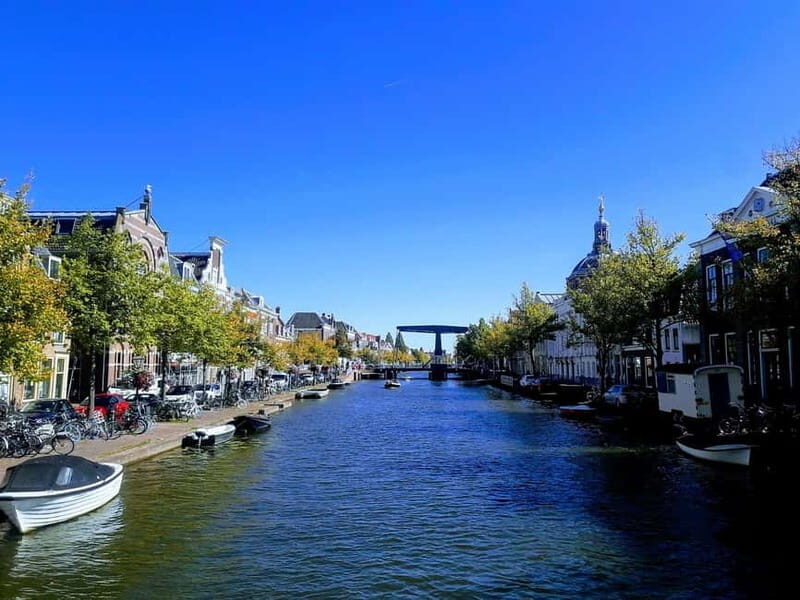
If you like walking through compact areas with lots to see per block, Leiden is a smart follow-up. It’s the kind of city where you can keep discovering small pockets without needing a strict checklist.
The Hague: politics and grand-city form
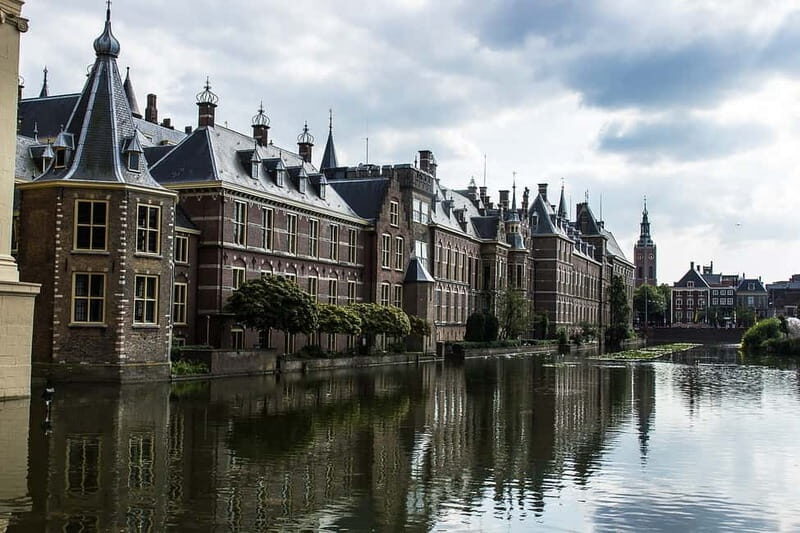
The Hague is the political capital of the Netherlands and the third largest city in the country. If you want a more formal, institutional feeling after the rural water-management world of Kinderdijk, this is your route.
Delft note (if it’s offered for your walking portion)
Your tour package lists walking tours for certain city choices, including Delft alongside Leiden, Rotterdam, and The Hague. If Delft is available for your specific day, it’s worth considering for a quieter historic Dutch feel.
The guide makes the day: clear explanations, flexible pacing
A private guide turns this from a checklist tour into a story you can actually remember. The experience runs with live interpretation in English, Hindi, Tamil, and Dutch, and that matters if you want the explanations to land properly.
One name that shows up in feedback is Gopi, and the consistent theme is quality: he’s described as caring about guests, adjusting the tour to your needs, and offering strong English explanations. That means you’re not stuck with a rigid script. You get a guide who can connect the dots and keep the day moving at a pace that feels fair for your group.
If you’re the kind of person who asks questions, private format is your friend. You can follow your curiosity—why certain structures are arranged the way they are, how water management shaped daily life, and what to notice in the city afterward.
Price and value: what $765 covers (and what to double-check)
The price is $765 per group up to 4 for an 8-hour day. That sounds steep on a per-person basis until you break down what’s included.
Here’s the value equation as I see it:
- you get hotel pickup and drop-off
- you get private transportation
- you get a live guide
- you get a guided walking tour in the chosen city (listed for Leiden, Delft, Rotterdam, Hague)
- you get extras like parking fees and small comforts like bottled water and Wi-Fi in the car
The big question mark is the Kinderdijk entrance fees. The tour description mentions that entrance fees are included, but the details also list entrance fees to Kinderdijk as not included. Since that’s a real conflict in the info, I’d treat it as a checkout-time question. Ask before you go so you can budget confidently.
Also keep in mind that any specific museum or attraction in the city may cost extra. The day is built around seeing, walking, and learning, not around collecting many separate paid entrances.
For families or small groups, this can be good value because you’re paying for comfort and guidance—not just seats on transport. If you’re traveling as two, it may feel less “deal-like,” but you’re still buying a smoother, more tailored day.
Practical details that affect your comfort
A few nuts-and-bolts items can change how enjoyable the day feels:
- Duration and timing: 8 hours sounds simple, but the drive time adds up. Expect a full day with active stops.
- Car comfort: the vehicle is described as comfortable for 3 adults and 1 child. If you have more people, confirm the setup with the provider.
- Languages: you’ll have a guide in English, Hindi, Tamil, or Dutch. If you want the best flow, pick the language you’re most comfortable following for history and explanations.
- Footwear: you’ll walk in wind-exposed areas around the windmills and then in a city. Comfortable shoes are the easiest win.
- City add-ons: options like museum visits and food experiences may not be included, so treat them as extras you can choose rather than must-dos.
If you like planning smart and keeping your day flexible, this format supports that style.
Who should book this tour (and who might not)
This is a great fit if:
- you want Kinderdijk with inside access and an actual system explanation
- you’d rather have a guide tailor the pace than follow a group itinerary
- you want one guided city stop without switching hotels or juggling transport
It might not be ideal if:
- you only care about scenic photos and don’t want the history/engineering explanation
- you hate long drive days and would rather split into two separate half-days
- you’re hoping for museum-heavy time in the city (the day is built more for highlights than deep ticketed attractions)
The sweet spot is a small group that values comfort, clarity, and a well-timed introduction to South Holland.
Should you book this Private Kinderdijk and South Holland tour?
I’d recommend booking it if you want a single day that connects the Netherlands’ water-management story to real places you can walk in afterward. The combination of Kinderdijk windmill access plus the boat ride is the kind of pairing that’s hard to recreate on your own without careful planning.
Before you confirm, do two quick checks:
1) confirm whether Kinderdijk entrance fees are truly covered for your specific booking
2) choose your second city based on your mood—Rotterdam for modern energy, Gouda for cheese-and-old-town charm, Leiden for canals and courtyards, or The Hague for political grandeur
If you get that right, this tour is a practical, high-impact day—and the private guide element is what makes it feel personal instead of rushed.
FAQ
How long is the tour?
The tour lasts 8 hours.
What is the price and group size?
It costs $765 per group, for up to 4 people.
Do you get hotel pickup and drop-off?
Yes. Pickup and drop-off are included, and you can be picked up from any hotel or other accommodation location.
Which cities can I choose after Kinderdijk?
You can choose a city in South Holland such as Rotterdam, Gouda, The Hague, or Leiden. A walking tour component is listed for Leiden, Delft, Rotterdam, and The Hague.
Is the boat ride included at Kinderdijk?
Yes. The experience includes a boat ride in the historic site surrounded by windmills.
Are Kinderdijk entrance fees included?
The information provided lists entrance fees to Kinderdijk as not included, even though another part of the description says entrance fees are included. Check your booking details to confirm what you’ll pay on the day.