REVIEW · AMSTERDAM
Amsterdam: Anne Frank and Jewish Quarter Tour
Book on GetYourGuide →Operated by Trigger Tours · Bookable on GetYourGuide
Walk these streets, then look again. This 2-hour Amsterdam Jewish Quarter tour uses real wartime locations to explain what the Nazi occupation did to daily life—and what came after. I like that it goes beyond the usual headlines and points you to places like the Portuguese Synagogue and the Jewish Historical Museum.
My other favorite part is the way the story is paced: you hear about events like the February Strike and the Hunger Winter, and then Anne Frank’s family story lands inside the neighborhood context. One drawback to plan for: it does not include tickets or entry to the Anne Frank House, so you may still want to book that separately if it’s your must-see.
In This Review
- Key highlights worth centering
- A 2-hour walk through Amsterdam’s WWII Jewish landmarks
- What the $24 price buys you (and what it doesn’t)
- Auschwitz Monument and The Dokwerker: where the route turns serious
- Portuguese Synagogue and Jewish Historical Museum: life before, during, after
- Hollandsche Schouwburg Memorial: remembrance you can’t ignore
- February Strike, Hunger Winter, and the Anne Frank story inside the neighborhood
- The Jewish Quarter walk and Plantage district context
- Grachtengordel: finishing with a bigger city lens
- Guides and the tone that keeps it respectful
- Pacing, group type, and footwear: how to get the most from 2 hours
- Who should book this Anne Frank and Jewish Quarter tour?
- Final call: should you book this tour?
- FAQ
- How long is the Amsterdam Anne Frank and Jewish Quarter walking tour?
- How much does the tour cost?
- What sights are included on the route?
- Is the Anne Frank House included?
- Where does the tour start?
- What languages is the guide speaking?
- Is food included?
- Is there a private tour option?
- What should I bring?
- FAQ
- Is free cancellation available?
- Can I reserve now and pay later?
Key highlights worth centering
- A WWII-focused route, not a generic city tour that stays rooted in Jewish Amsterdam’s wartime story
- Anne Frank context without rushing to the Anne Frank House (the house is not included)
- High-impact stops like the Auschwitz Monument and Hollandsche Schouwburg National Holocaust Memorial
- Synagogue + museum pair at the Portuguese Synagogue and the Jewish Historical Museum
- A neighborhood walk that follows the story over centuries, including the Plantage district area
A 2-hour walk through Amsterdam’s WWII Jewish landmarks
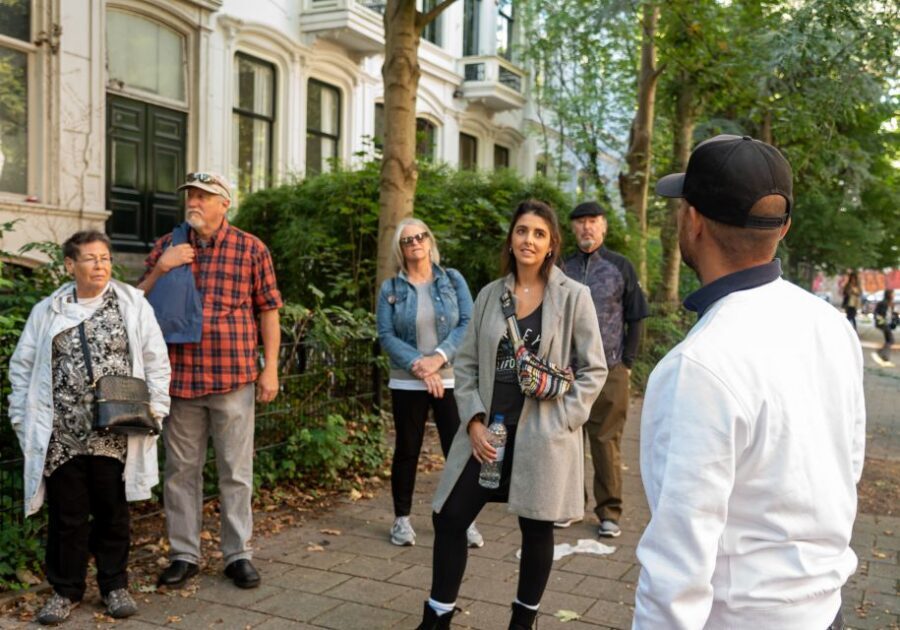
This is the kind of tour where the street corners feel louder than the canals. In just two hours, you cover major Jewish sites tied to Amsterdam’s WWII years and the aftermath, including the darker turning points of Nazi occupation and the Holocaust.
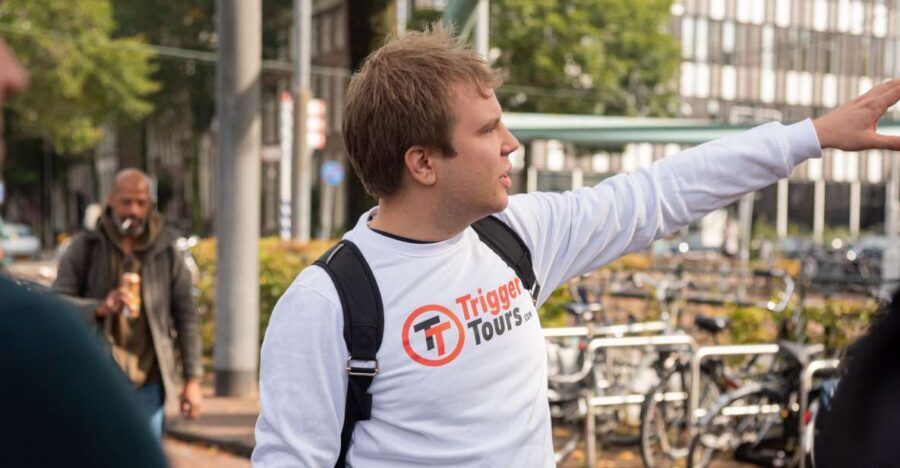
The format works well if you want something focused. You get a live guide, a clear route, and enough stops to understand the geography—without spending your whole day bouncing between museums.
I’d call it a thinking walk. You’re not just collecting facts. You’re learning how the neighborhood changed, how people survived, and how remembrance is built into Amsterdam’s modern streets.
You can also read our reviews of more tours and experiences in Amsterdam.
What the $24 price buys you (and what it doesn’t)

For $24 per person, you’re paying for two hours with a local guide plus a route that hits multiple sites tied to Jewish history and WWII memory. That’s good value for visitors who don’t want to do this research alone while also trying to enjoy the city.
Here’s the catch: the tour does not include entrance to the Anne Frank House. Several guides on this route will give you essential Anne Frank context, but if you’re hoping to go inside the house itself, you’ll need to plan that separately.
Also expect walking time. Comfortable shoes are a must, especially if you hit the streets in wet or cold weather.
Auschwitz Monument and The Dokwerker: where the route turns serious
The tour starts to gain weight right away with the Auschwitz Monument. Even if you know the Holocaust story broadly, seeing a site like this in Amsterdam forces the scale into a local frame—this wasn’t history that happened somewhere else. It happened here, and the reminders are placed in the city on purpose.
Next comes The Dokwerker. This is one of those stops that helps you understand that the Holocaust was not only about camps. It was also about the machinery of deportation and the way everyday movement and infrastructure were turned into harm.
Why this works: these two early stops help you mentally set the stakes before the route moves into synagogues and museums. And because the guided time at each stop is short, you’re pushed to listen carefully instead of drifting into background sightseeing.
Potential drawback: some key places on the tour are given brief guided windows (around ten minutes per stop at several points). If you love to linger, you’ll likely want to add extra time on your own after the tour.
Portuguese Synagogue and Jewish Historical Museum: life before, during, after
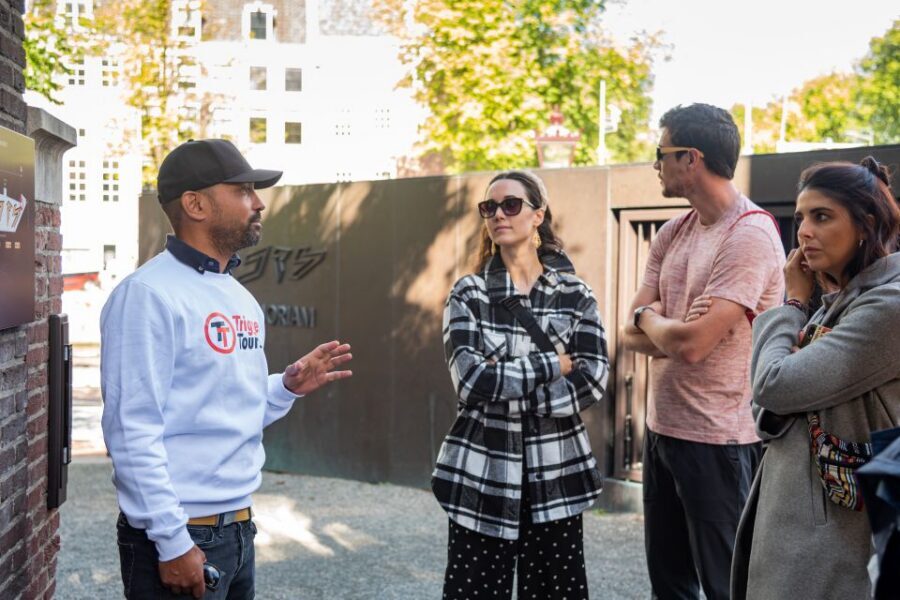
After the memorial-heavy stops, you shift to sites that anchor Jewish life in Amsterdam—especially the Portuguese Synagogue and the Jewish Historical Museum. These stops are powerful because they show the community as more than a wartime victim story.
The Portuguese Synagogue is also useful as a visual anchor. It gives you a sense of scale and presence in a city that can feel like it’s made for bicycles and café patios. In other words: the neighborhood wasn’t just a location on a map. It was a real community with institutions and culture.
Then the Jewish Historical Museum adds the missing layer: context. The tour’s focus on Jewish history in Amsterdam includes how the original Jewish quarter formed and how it evolved over time, plus how different eras shaped what you see today.
This pairing—synagogue plus museum—helps you understand why the tour’s WWII stops hit harder. You’re not only learning about suffering. You’re learning what was being targeted, disrupted, and then rebuilt.
Hollandsche Schouwburg Memorial: remembrance you can’t ignore
One of the most sobering parts of the route is the Hollandsche Schouwburg National Holocaust Memorial. You’ll come here with the wartime context already fresh from the route, and that makes this stop feel less like a symbol and more like a statement about what the city remembers and why.
I like that this stop is placed after the earlier deportation-linked markers and before the tour walks deeper into the Jewish Quarter. It creates a logical flow: occupation → mechanisms → commemoration → neighborhood story.
The guided time is short, so give yourself a minute to slow down. Even a brief visit can land if you’re paying attention to what the memorial is communicating.

February Strike, Hunger Winter, and the Anne Frank story inside the neighborhood

The tour includes the bigger WWII backstory that many visitors miss when they only focus on one famous name. You’ll hear about Amsterdam under Nazi occupation, including major events like the February Strike and the Hunger Winter.
Those details matter because they explain how normal life broke down. You start to see that the Holocaust story in Amsterdam wasn’t only about one moment or one building. It was also about pressure, fear, hunger, and the shrinking space for safety.
Then you get the Anne Frank story: her family, their strife during this dark period, and how their experience fit into the broader Amsterdam picture. You don’t need to be an Anne Frank expert to follow it—the tour is built to connect the famous narrative to the physical neighborhood.
One note to manage expectations: this tour does not include entry to the Anne Frank House. Many people combine both, and that’s a smart plan if Anne Frank is your top priority.
The Jewish Quarter walk and Plantage district context
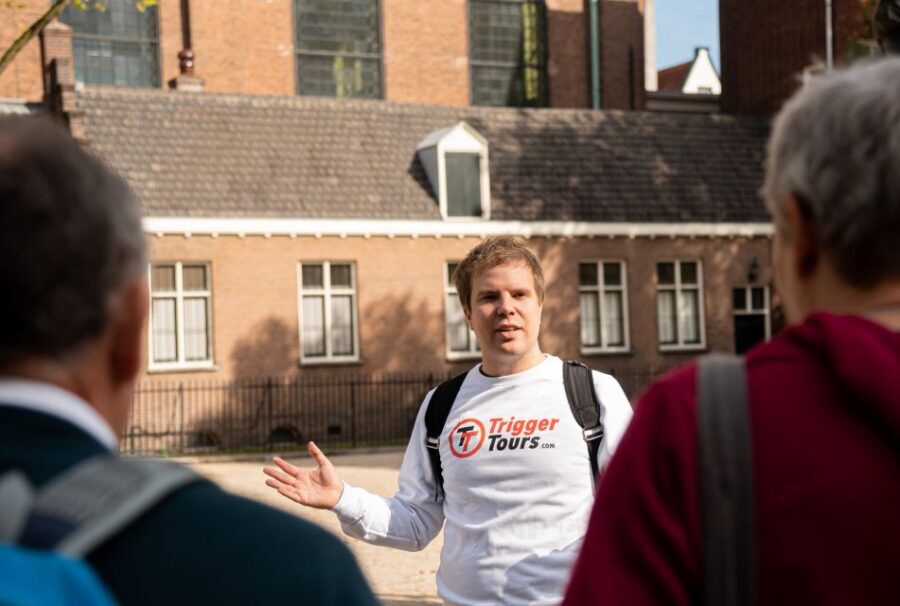
The route spends around thirty minutes walking through the Jewish Quarter. This part is where the tour earns its value as a walking experience, not just a sequence of points on a page.
You’ll move through narrow streets and alleys that feel like they were made for real local life. Along the way, the guide points out historic buildings and landmarks connected to the Jewish community’s long presence in Amsterdam—then ties that to what happened during WWII and what exists now as memory.
You’ll also hear how the neighborhood connects to the Plantage district area. That’s useful because Amsterdam isn’t organized into neat “chapters.” The city’s neighborhoods blend, so a guided walk helps you keep your bearings while learning how place and history overlap.
If you’re the type who hates being rushed: this is the segment you should watch most closely. The walk time is longer than most single-site stops, and it’s where you can absorb the atmosphere.
Grachtengordel: finishing with a bigger city lens
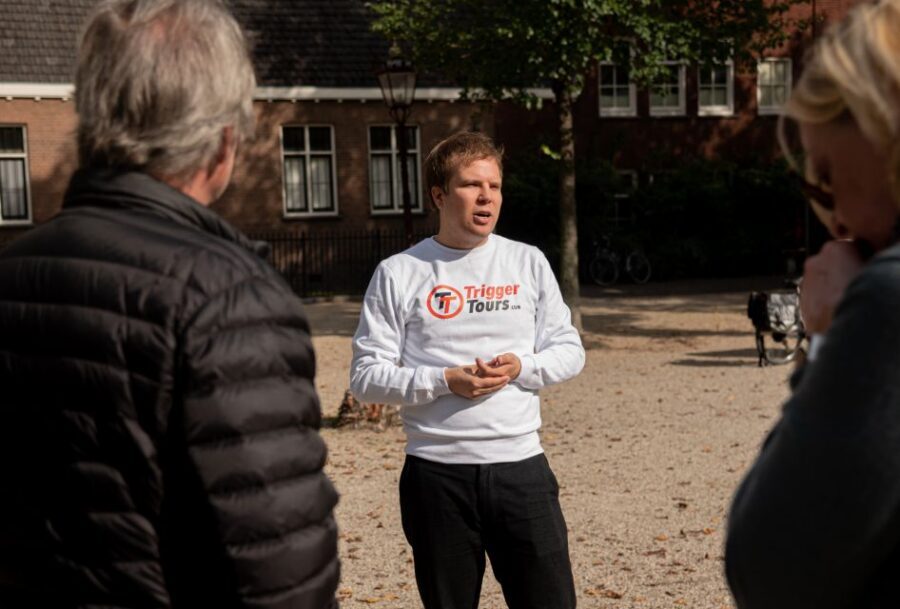
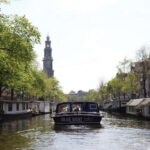
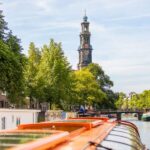
After the Jewish Quarter segment, the tour includes time around the Grachtengordel area. Even if you came into the tour thinking only about Jewish sites, this last part helps you reconnect the story to the rest of Amsterdam.
The practical benefit is navigation. When you leave, you’re more likely to understand where things are, how the city’s layout works, and where to go next—especially if you plan to pair this tour with other museums or canal-area wandering.
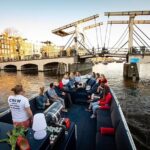
Drop-off points can vary, including options near Hermitage Amsterdam and the Amsterdam Boat Adventures area. That’s handy if you’re building the day around museum time plus a canal stop.
Guides and the tone that keeps it respectful
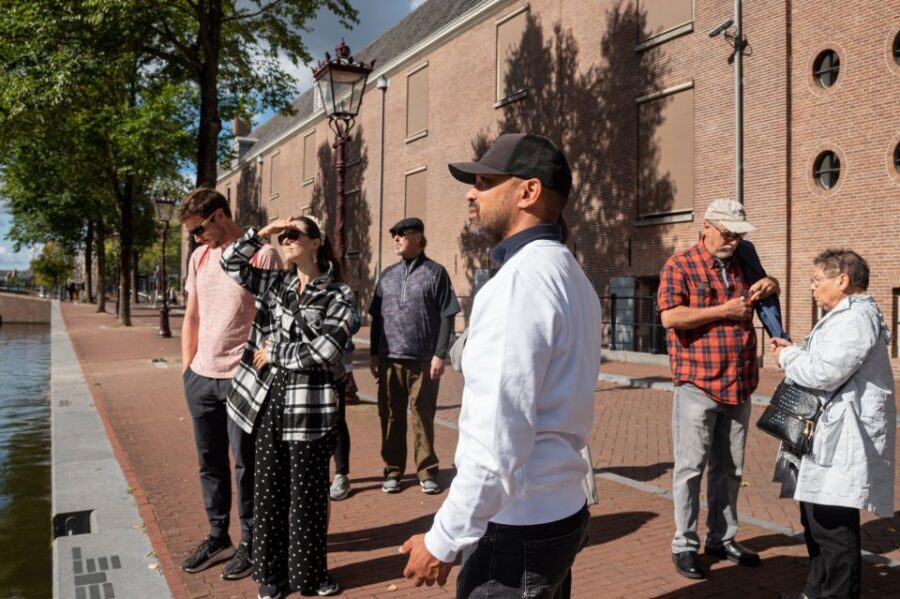
A major reason this tour earns such strong ratings is the human delivery. Names that come up often in the guide line-up include James, Aaron, Pilar, Masha, and Polar. Across those accounts, the repeated theme is clear communication with a tone that stays respectful while still engaging you through the facts.
I also like that the best-performing guides seem to balance seriousness with a readable pace. You’re dealing with heavy material, but you don’t want your brain to go numb. The guides who handle the route well keep you alert and oriented, so the story doesn’t pass you like a dark blur.
A small but telling detail from past experiences: one guide (James) has been noted for handling late arrivals professionally by waiting a bit and keeping the group together. You shouldn’t count on that every day, but it hints at how some guides manage real-world chaos without disrespecting the subject.
Pacing, group type, and footwear: how to get the most from 2 hours
This is a tight schedule. Several stops include guided segments around ten minutes each, plus a longer block for the Jewish Quarter. That means you’ll hear a lot of information quickly, and you’ll get better results if you come ready to listen closely rather than multitask.
If you book the private or small group option, you’re more likely to get your questions answered as you walk. That can matter a lot on this topic, because people often have very specific concerns—like what each site represents and how the neighborhood story connects.
Footwear is the big practical item. Comfortable shoes aren’t optional here. Cobblestones, damp sidewalks, and quick changes in direction add up.
One more pro tip: take a photo of the street sign at the key turns. After the tour, your memory will thank you when you try to map the route back to your own plan.
Who should book this Anne Frank and Jewish Quarter tour?
I’d strongly consider booking if you want a route that connects Anne Frank context to Amsterdam’s Jewish WWII landmarks—without relying on one single museum visit.
It also fits well if you like history that’s tied to place. Seeing sites like the Portuguese Synagogue, the Jewish Historical Museum, Auschwitz Monument, The Dokwerker, and Hollandsche Schouwburg in one sequence gives you a clearer mental map than reading about them separately.
This tour can work for beginners too, as long as you’re prepared for sad material. The pacing and structure are built for visitors who want “enough depth to understand” rather than “every last detail,” which is a good trade when you’re also trying to see Amsterdam.
If you’re only interested in the Anne Frank House itself, you may feel it’s missing a key piece—because it explicitly doesn’t include tickets or entry. In that case, pair it with a separate Anne Frank House visit, rather than expecting this tour to replace it.
Final call: should you book this tour?
Yes, book it if you want a focused, place-based understanding of Amsterdam during WWII and the Jewish community’s experience before, during, and after the occupation. The route hits major memory sites and adds Anne Frank context in a way that makes the neighborhood’s story make sense.
Skip or pair differently if Anne Frank House entry is your top priority. This tour gives context, but it doesn’t get you inside the house. If you want both, do this tour first (so you understand what you’re looking at later), then add Anne Frank House as a separate stop.
FAQ
How long is the Amsterdam Anne Frank and Jewish Quarter walking tour?
It lasts 2 hours.
How much does the tour cost?
The price is listed as $24 per person.
What sights are included on the route?
You’ll visit places such as the Auschwitz Monument, The Dokwerker, the Portuguese Synagogue, the Jewish Historical Museum, the Hollandsche Schouwburg National Holocaust Memorial, the Jewish Quarter, and time around the Grachtengordel.
Is the Anne Frank House included?
No. Entrance to the Anne Frank House is not included, and the tour does not include tickets.
Where does the tour start?
The meeting point may vary depending on the option booked, and there are starting location options connected to Amsterdam Boat Adventures (open boat tours).
What languages is the guide speaking?
The live tour guide offers English and Spanish.
Is food included?
No. Food and drinks are not included.
Is there a private tour option?
Yes. The tour can be private or offered in small groups.
What should I bring?
Bring comfortable shoes.
FAQ
Is free cancellation available?
Yes. You can cancel up to 24 hours in advance for a full refund.
Can I reserve now and pay later?
Yes. The option is listed as reserve now and pay later, meaning you can book and pay nothing today.