REVIEW · AMSTERDAM
Amsterdam: City Tour in German
Book on GetYourGuide →Operated by Herzblut Amsterdam Stadtführungen · Bookable on GetYourGuide
Amsterdam history you can picture fast. That’s the trick on this German walking tour from Beursplein to the canals. I love how the guide uses the massive Beurspassage mosaic as a storytelling device, and I love the small-group feel where you can ask questions and actually stay engaged. One thing to consider: it’s a 2-hour walk in real weather, so you’ll want solid shoes and rain gear if the forecast looks questionable.
In the reviews, people keep returning to one theme: Anne’s tours are cheerful, packed with details, and never feel rushed. If you want Dutch history without a lecture vibe, this is a good fit, especially with a guide who keeps it friendly and practical. Just remember it’s German only, so non-German speakers may struggle to follow the story.
In This Review
- Key Things You’ll Notice on This Tour
- Where the Tour Starts: Beursplein to Damrak (And Getting Oriented Fast)
- The Beurspassage Mosaic: Amsterdam’s History in a Giant Picture Book
- Canals and Canal Streets: Local Life, Not Just Pretty Views
- Buildings, Street Art, and the Dutch “How Things Look” Conversation
- The Big Stories: Religion, Colonial Past, and the Monarchy
- Two Hours With a Small Group: The Real Advantage
- Price and Value: What $30 Buys You in Real Terms
- Practical Tips Before You Go (So Rain Doesn’t Ruin the Day)
- Who Should Book This Amsterdam City Tour in German
- Should You Book It? My Straight Advice
- FAQ
- What language is the tour?
- Where exactly do I meet the tour?
- How long is the Amsterdam city tour in German?
- How much does it cost?
- Is this a small group?
- What’s included in the price?
- Are food or drinks included?
- Does the tour run in bad weather?
- Is the tour wheelchair accessible?
- Are large bags or luggage allowed?
- Is alcohol allowed on the tour?
- Is there free cancellation?
Key Things You’ll Notice on This Tour
- Beurspassage’s giant mosaic turns Amsterdam history into something visual and memorable
- A very small group (max 10) keeps the pace human and the questions welcome
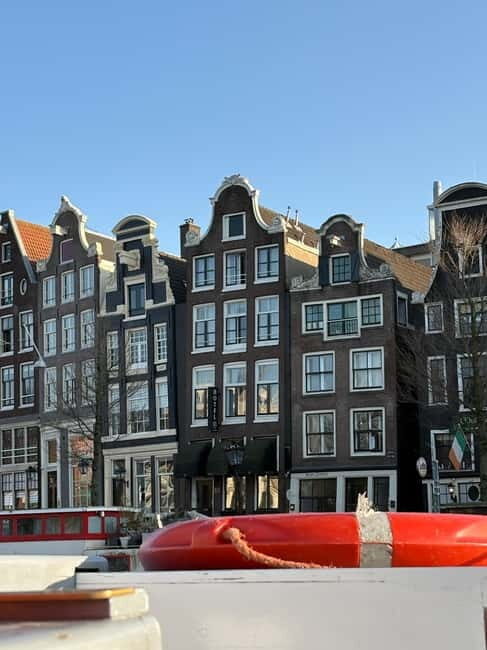
- Canals plus everyday city life help you understand how the Netherlands works beyond the postcard view
- Architecture, street art, and building style get explained in plain terms
- Religion, colonial past, and the monarchy are connected to what you see on the streets
- A guide with a black and white striped band brings a lively, entertaining tone
Where the Tour Starts: Beursplein to Damrak (And Getting Oriented Fast)
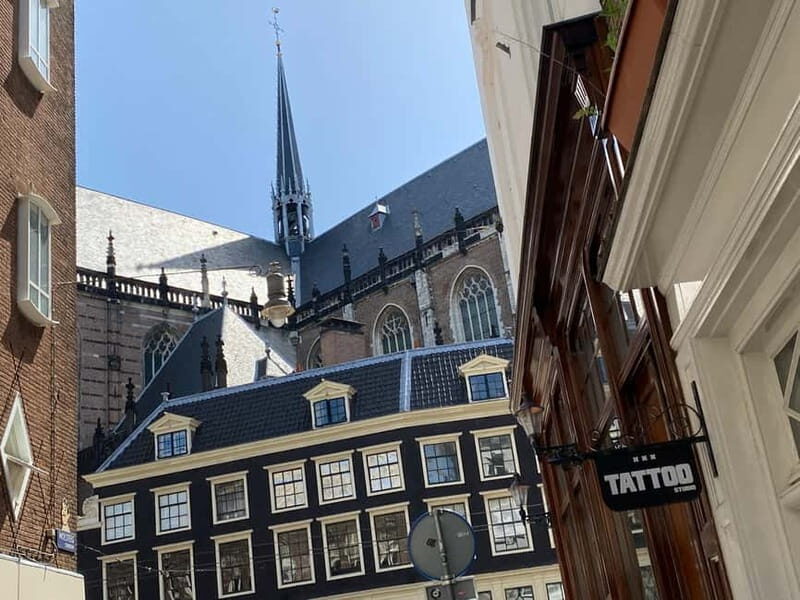
Most Amsterdam tours start with a generic meet-and-go. This one starts in a spot that’s easy to find and easy to recognize: Beursplein / Damrak, opposite Primark. Look for the guide wearing a black and white striped band and you’ll be set.
Why this matters: Damrak and the Beursplein area sits right where Amsterdam feels like it’s both “old city” and “big city.” It’s a smart place to begin because you can immediately spot contrasts. You’ll get the city’s context before you move into the quieter canal streets and the more architectural details.
Also, the tour is in German, delivered by a live local guide. If your German is basic, you might still catch a lot because the guide’s style is described as cheerful and entertaining, with lots of explanation through what you can see outside.
You can also read our reviews of more city tours in Amsterdam


The Beurspassage Mosaic: Amsterdam’s History in a Giant Picture Book

This is the headliner. The tour uses a giant mosaic artwork in the Beurspassage as a kind of picture book you walk through while the guide explains what you’re seeing. The idea is simple and effective: instead of memorizing dates, you link the story to visual details.
Here’s what makes it work for your trip. Mosaics are dense. That density forces you to slow down just enough to notice small elements you’d otherwise ignore when you’re walking past a façade. You end up with a mental map of the city that isn’t just vibes.
In the tour framing, the mosaic includes surprising details and acts as a bridge to bigger topics: Amsterdam’s history, the Netherlands’ past, and why certain themes show up again and again in the city’s culture and buildings. After this part, you’ll likely feel more prepared for the next streets, because the guide has already taught you how to read what you’re looking at.
Canals and Canal Streets: Local Life, Not Just Pretty Views
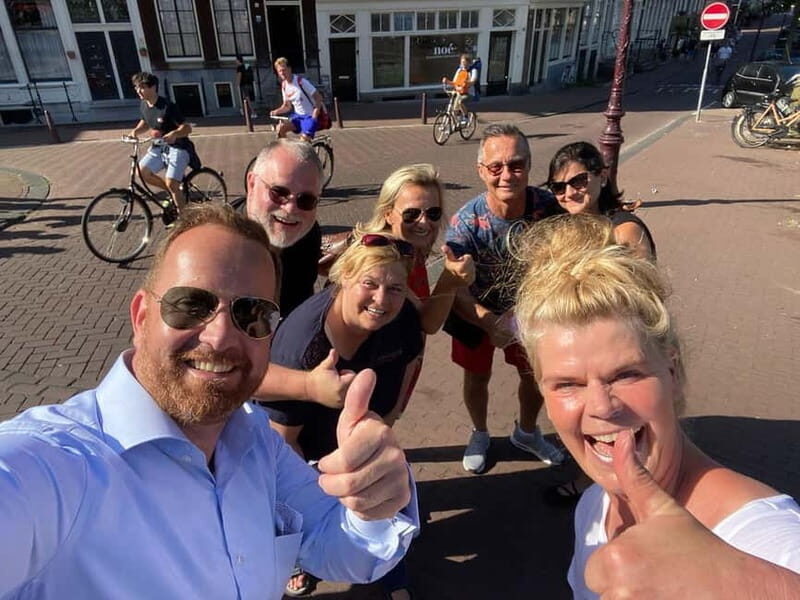
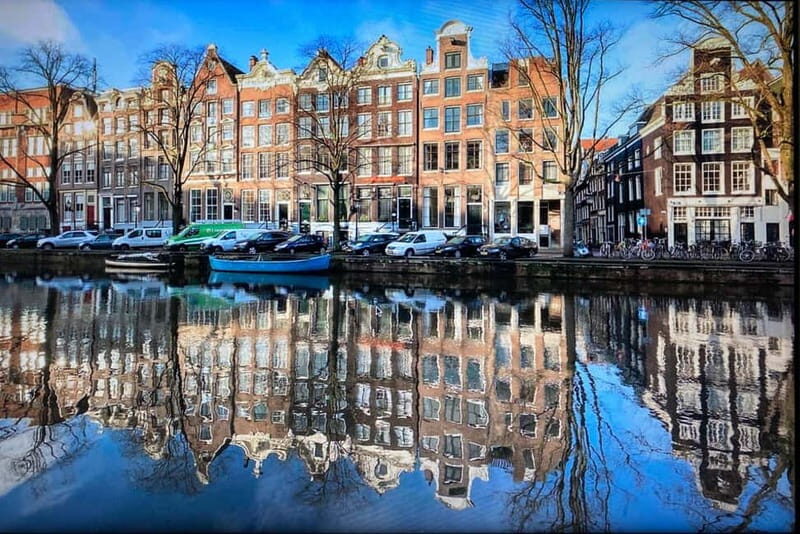
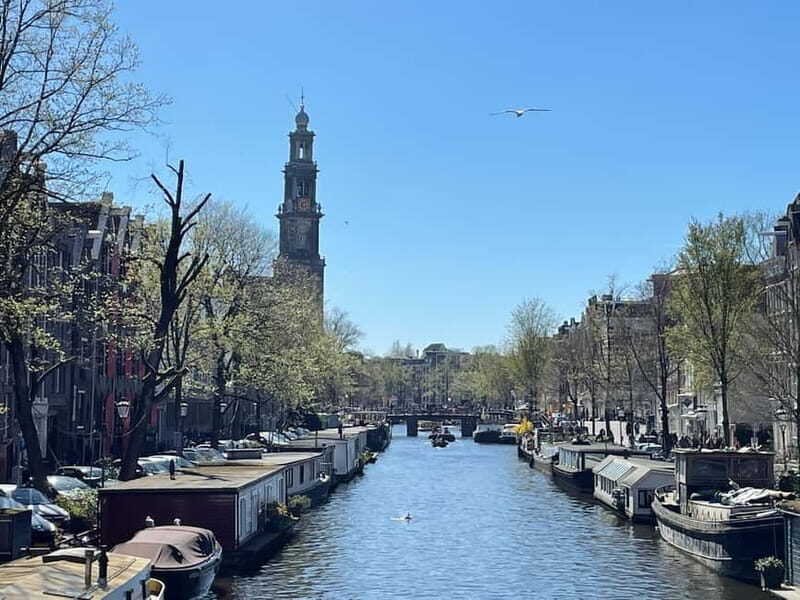
After the mosaic storytelling, you shift from “history lesson” into “walking through real Amsterdam.” You’ll stroll along charming canals and get a feel for daily life and local culture, not just sweeping sightseeing.
The canal focus is practical. Canals explain a lot about Amsterdam’s planning and how people move through the city. They also help you understand why the city looks the way it does: buildings sit close to the water, streets feel narrow in a purposeful way, and the whole layout makes the city function like a system.
You’ll also experience the busy city energy up close. Not in a chaotic way, but in a guided way where you learn what you’re noticing. A good part of the value here is that your guide doesn’t just point at landmarks; they explain what the street scene means—how people live, how the city grew, and what changed over time.
Buildings, Street Art, and the Dutch “How Things Look” Conversation
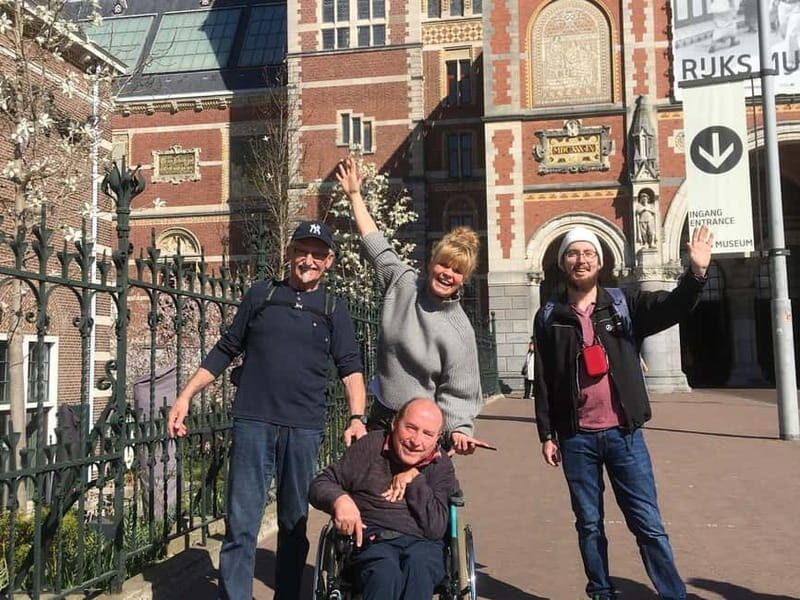
Amsterdam isn’t one style. It’s layers. On this tour, you’ll walk past historically relevant buildings and also talk about street art and distinctive architectural features. The guide frames the city’s unique building style so you can start seeing patterns rather than random scenes.
Why this is worth your time: once you understand the logic behind a city’s architecture, you stop treating photos like souvenirs and start treating them like evidence. You’ll be able to look at façades and think, okay, this reflects a period, a belief system, a wealth shift, or a practical decision.
The tour also touches on the influence of religion and the monarchy, which helps explain why you can find so many symbolic clues in the built environment. And since the tour runs as a small group, the guide can adjust the pacing based on what grabs your attention at that moment.
The Big Stories: Religion, Colonial Past, and the Monarchy
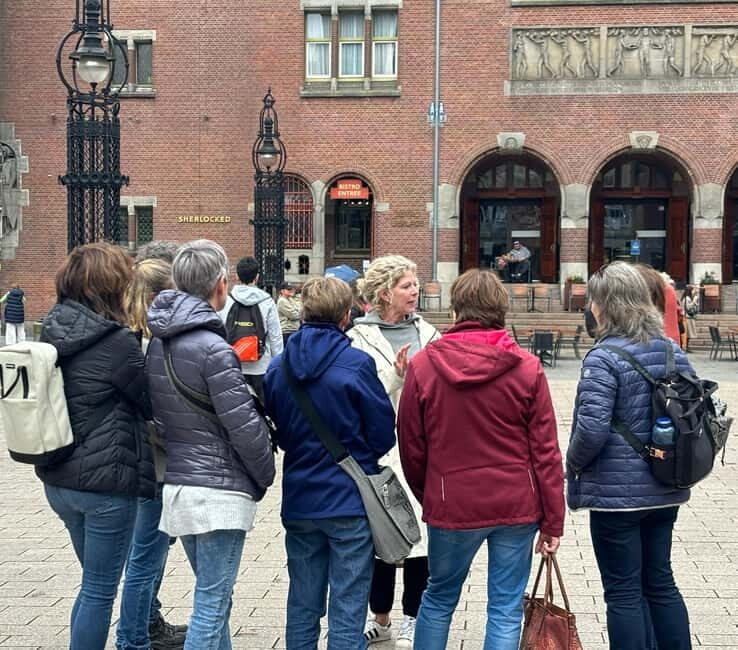
A lot of city tours mention these topics as quick facts. This one connects them more to the city’s look and development. You’ll cover:
- the influence of religion
- the colonial past
- the role of the monarchy
- how these shaped the “past and present” Amsterdam you see walking outside
Even when you’re not a history buff, this section can change your perspective. Amsterdam’s history is not just a timeline; it’s a set of forces that show up in art, architecture, institutions, and the way the city organized power and trade. When your guide links those ideas to specific streets and buildings, the tour becomes easier to remember later.
This is also where a good guide earns their pay. If the tone is cheerful and entertaining, you don’t feel like you’re being graded on dates. You learn patterns, and then your walk becomes a guided interpretation.




Two Hours With a Small Group: The Real Advantage
This tour lasts 2 hours, and it caps at 10 participants. That size matters more than you might think. With a small group, you’re less likely to get lost in the crowd, and the guide can answer questions without rushing everyone through.
In the feedback, a recurring praise is that the tour doesn’t feel like a standard “check-the-box” city walk. People mention lots of details they likely wouldn’t spot on their own. That tends to happen when the guide can slow down at the right moments, because the group isn’t too large.
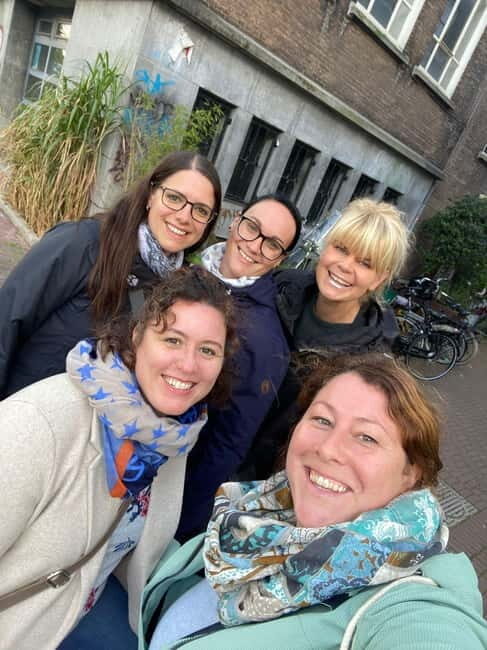
Another review detail that’s telling: one family described bringing an 11-year-old into the conversation and keeping the experience fun. That suggests the guide’s style is accessible, not just formal and lecture-like. If you’re traveling with family members who don’t want hours of history talk, this pacing could work well.
Price and Value: What $30 Buys You in Real Terms
The price is listed at $30 per person for a 2-hour guided walking tour with a professional local guide. That’s a fair range for central Amsterdam, especially given two factors:
- You’re not just getting a walk. You’re getting a guided explanation using a unique element (the mosaic) to teach history.
- You’re paying for interpretation. The guide translates what you see—buildings, street art, canal layout—into a story you can actually use.
If you’re trying to decide between a basic route tour and something story-driven, this one leans story-driven. And because it’s only 2 hours, you’re not committing a whole afternoon for a deep-history experience that still leaves you tired.
It’s also not overloaded with extras. There’s no mention of food or drinks being included, and there aren’t entry fees. That means your time goes to walking and learning, not waiting in lines.
Practical Tips Before You Go (So Rain Doesn’t Ruin the Day)
This tour runs rain or shine, so plan like weather will happen. Bring:
- comfortable shoes (you’ll be walking)
- water
- comfortable clothes and outdoor clothing for the weather
A key rule: no luggage or large bags. So keep it light. If you’re doing other Amsterdam stops that day, consider using a day bag that fits under control.
One more thing that’s easy to overlook: intoxication, alcohol, and drugs are not allowed. It’s a walking tour with active listening, so keep it steady and clear.
If you’re sensitive to cold or wet conditions, arrive dressed like you’ll be outside for a couple hours. Amsterdam can look calm and still feel damp.
Who Should Book This Amsterdam City Tour in German
This tour is a strong match if you:
- want a history-and-culture explanation in German
- like learning through what you see, not through museum walls
- prefer a small group and a guide who can keep the tone engaging
- enjoy canals and want a better sense of why Amsterdam looks the way it does
It’s probably less ideal if you need step-free routes or have limited mobility. The data says wheelchair accessible, but it also marks the tour as not suitable for people with mobility impairments. Because that’s a contradiction, I’d treat it as a “confirm with the provider first” situation rather than assuming it will work for your exact needs.
Also, because it’s German only, consider your comfort level before booking. If your German is at a comfortable conversational level, you’ll likely enjoy it a lot more.
Should You Book It? My Straight Advice
Book this tour if you want Amsterdam with context. The mosaic-based start is a smart way to make the city stick in your memory, and the small-group size helps the guide keep things lively and interactive. If you value practical explanations—architecture, daily life, and the bigger historical forces behind it—this hits the sweet spot.
Skip it (or double-check fit) if you dislike walking in all weather, you don’t feel comfortable in German, or you need a tour designed for mobility limitations. And if you’re hungry, plan to grab food before or after, since it doesn’t include snacks or drinks.
FAQ
What language is the tour?
The tour is in German, with a live guide.
Where exactly do I meet the tour?
Meet at Beursplein / Damrak, opposite Primark. Look for the guide wearing a black and white striped band.
How long is the Amsterdam city tour in German?
It lasts 2 hours.
How much does it cost?
The price is $30 per person.
Is this a small group?
Yes. The group is limited to 10 participants.
What’s included in the price?
Included are a guided walking tour and a professional local guide.
Are food or drinks included?
No. Food and drinks are not included.
Does the tour run in bad weather?
Yes. It runs rain or shine, so wear appropriate outdoor clothing.
Is the tour wheelchair accessible?
The activity is marked wheelchair accessible, but it is also listed as not suitable for people with mobility impairments. If that applies to you, confirm with the provider before booking.
Are large bags or luggage allowed?
No. Luggage or large bags are not allowed.
Is alcohol allowed on the tour?
Alcohol and drugs are not allowed, and intoxication is not allowed.
Is there free cancellation?
Yes, free cancellation is offered up to 24 hours in advance for a full refund.