REVIEW · AMSTERDAM
Amsterdam: Red Light District Exclusive Night Tour
Book on GetYourGuide →Operated by Trigger Tours · Bookable on GetYourGuide
Amsterdam looks different after dark. This 2-hour walk through the Red Light District is interesting because it mixes street-level sights with the reasons Amsterdam became known for sex work and soft drugs. I love how each stop has context (church, canals, old houses), and I love that the guides often share practical ideas for where to go for a coffee-shop snack or a solid drink. The only real drawback is that the subject matter is adult, so if you’re easily uncomfortable, you may want a different first-night activity.
What makes this tour especially useful is the way the guides steer the mood: in past groups, people singled out guides like Sofia, Aarri, Pilar, Sandro, and David for combining history with humor and for answering questions clearly. The overall rating is strong (4.6 from 307 reviews), and the tone comes across as friendly and structured rather than awkward or scattershot.
You’ll cover a lot of ground in a short time, so wear shoes you can walk in and be ready for a lively night atmosphere. It’s a guided experience, not a self-guided wander, and that matters because the stories add up faster when you hear them in sequence.
In This Review
- Quick hits you’ll feel right away
- Night in Amsterdam’s Red Light District: why this timing works
- The 2-hour walking format: pace, stops, and what that means for you
- Where you start and how to plan your first-night logistics
- Oude Kerk: the oldest anchor in the neighborhood
- Canal-belt and old houses: Grachtengordel’s role in the story
- Chinatown and nearby streets: Zeedijk and the mix of Amsterdam
- Coffee-shop culture and the first coffeeshop stop
- Leidse Square: why the tour touches the edges of nightlife
- Condomerie and Casa Rosso: seeing the district’s “brands” and rules
- Flower Market and Nieuwmarkt Square: ending with old-city color
- Price and value: is $28 fair for a 2-hour guided night walk?
- Who this tour fits best (and when to skip it)
- Guides set the tone: why names keep showing up in reviews
- Should you book this Red Light District night tour?
- FAQ
- How long is the Amsterdam Red Light District exclusive night tour?
- What does the tour cost?
- What is included in the tour price?
- Are food and drinks included?
- What languages are the live guides?
- Where do I meet the guide?
- Is the tour suitable for people with mobility impairments?
Quick hits you’ll feel right away
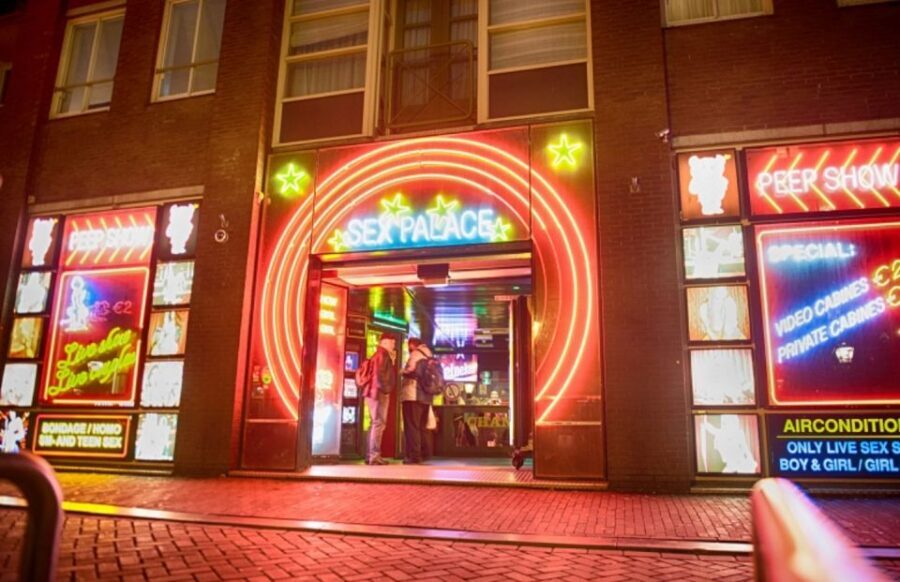
- A true night route through the Red Light District when the area’s “real” vibe shows up
- Short, frequent stops (about 10 minutes each) that keep the walk from dragging
- Coffee-shop and sex-work culture explained with the political and cultural context that shaped it
- Old Amsterdam sights mixed in, including the oldest building area around Oude Kerk and canal-belt views
- Adult sights handled with care, with guides framing the topic through history and policy
- Useful local pointers that can help you plan coffee shops, bars, and meals after the tour
Night in Amsterdam’s Red Light District: why this timing works
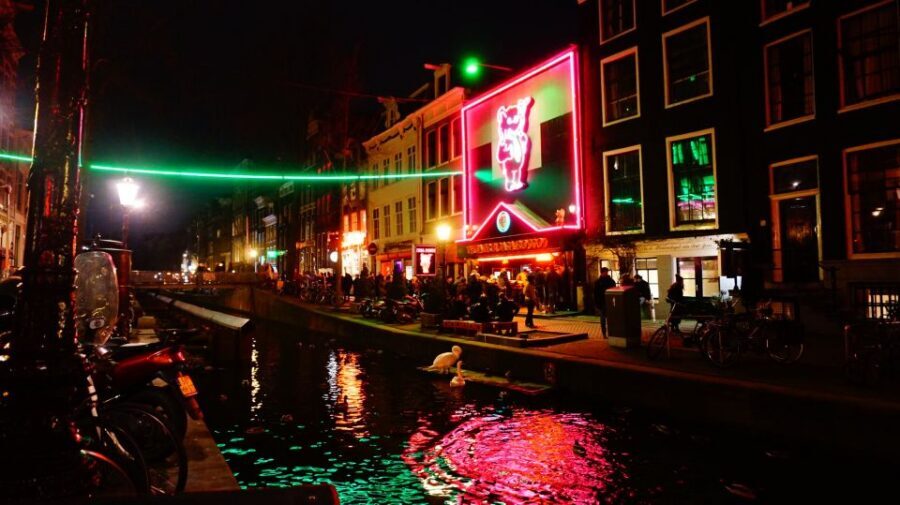
Amsterdam’s Red Light District doesn’t just look different after dark. It feels different in your head. During the day, you mostly notice architecture and tourists passing through. After dark, the street rhythm changes—lights, movement, and storefront energy turn it into what it really is: a nightlife district layered over older Dutch neighborhoods.
That timing is the point of this tour. You’re not walking past it quickly; you’re being guided through it while the area is “on.” You’ll see the narrow lanes and canals from the window-seat view of the street—tight spaces, old buildings, and bridges that make the city feel medieval even when you’re standing in 2026-style nightlife.
More importantly, the tour pairs the scene with explanation. The guide doesn’t treat the topic as shock value. You’ll hear how Amsterdam developed its liberal reputation around sex work and drugs, and you’ll connect those policies to what you see in the streets: coffeeshops, smart shops, shopfronts, and the very particular way this district operates.
You can also read our reviews of more evening experiences in Amsterdam

The 2-hour walking format: pace, stops, and what that means for you
This is a 2-hour walking tour, and it’s built around a loop of focused stops rather than one long “look at everything” slog. The schedule is structured in quick guided segments (many around 10 minutes), with short walks between sights.
That matters for comfort and attention. If you’ve ever done a long sightseeing walk and then forgotten half of it, this format helps you keep up. You get time at each moment to actually understand what you’re seeing—then you move on before the district starts to blur into one big blur of lights.
A few practical tips:
- Plan to walk steadily. This isn’t a sit-down tour.
- Bring your phone, but don’t let photos steal all your attention from the guide’s context.
- Expect night sounds and crowds. The streets can be busier later in the evening, and you’ll want to stay with your group.
Where you start and how to plan your first-night logistics
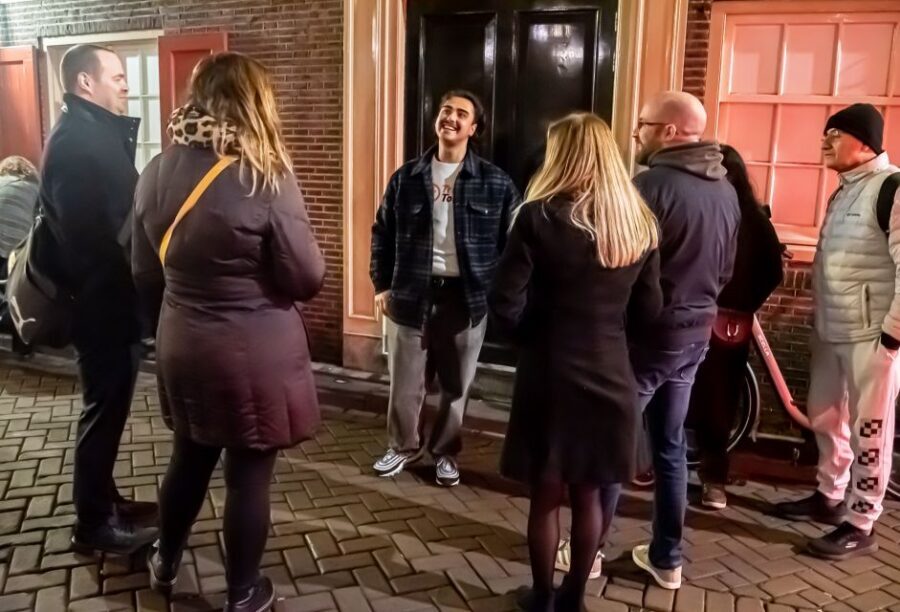
The meeting point can vary by which starting option you book. You may meet near places like Voyager Hotel Amsterdam or the Basilica of Saint Nicholas area, depending on the option selected.
For planning, the big takeaway is simple: pick the start that saves you transit hassle. Your first night in Amsterdam is when you’re most likely to be tired, a little lost, and hungry. Reducing that stress helps you enjoy what you came for—clear guidance and an efficient route through the district and nearby old-town areas.
The tour language is English and German, since you’ll have a live guide. If you’re traveling with someone who prefers one of those languages, confirm before you go.
Oude Kerk: the oldest anchor in the neighborhood
One of the first scheduled stops is Oude Kerk. This part of the route is valuable because it pulls you out of “only nightlife” mode and back into the deeper city timeline.
You’re not just seeing a church. You’re seeing how old Amsterdam still shapes where people walk, gather, and build businesses. The Red Light District may be famous for modern adult commerce, but it sits in a much older urban structure: tight streets, brick and stone, and a canal-ring layout that turns movement into a slow discovery process.
Think of this stop as your mental warm-up. When the guide later points out narrow streets and old houses, you’ll have the right frame: this isn’t floating nightlife set dressing. It’s happening inside a real historical city.
Canal-belt and old houses: Grachtengordel’s role in the story
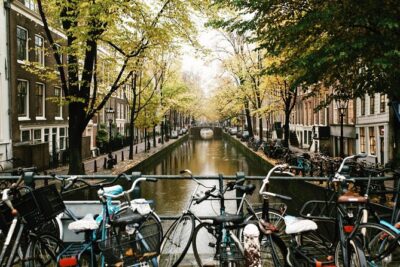
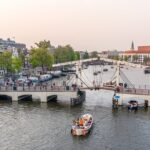
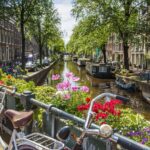
As you move into the canal-belt area (often referred to as Grachtengordel), you’ll notice the contrast between postcard Amsterdam and the district’s reputation. Canals and old houses make the setting look calm and charming, even when the subject matter isn’t.
That contrast is exactly why the tour works. When you’re standing by canals and seeing beautiful older architecture, it’s easier to understand how Amsterdam can hold liberal attitudes and old-world buildings in the same frame. The tour uses those visual cues to connect culture and built environment.
You’ll likely hear about the Red Light District’s evolution in relation to the Old Town area. The guide’s job here is to keep you from viewing the district as random. Instead, you’re meant to see it as part of a city pattern—policy meets streets, and streets shape daily life.



Chinatown and nearby streets: Zeedijk and the mix of Amsterdam
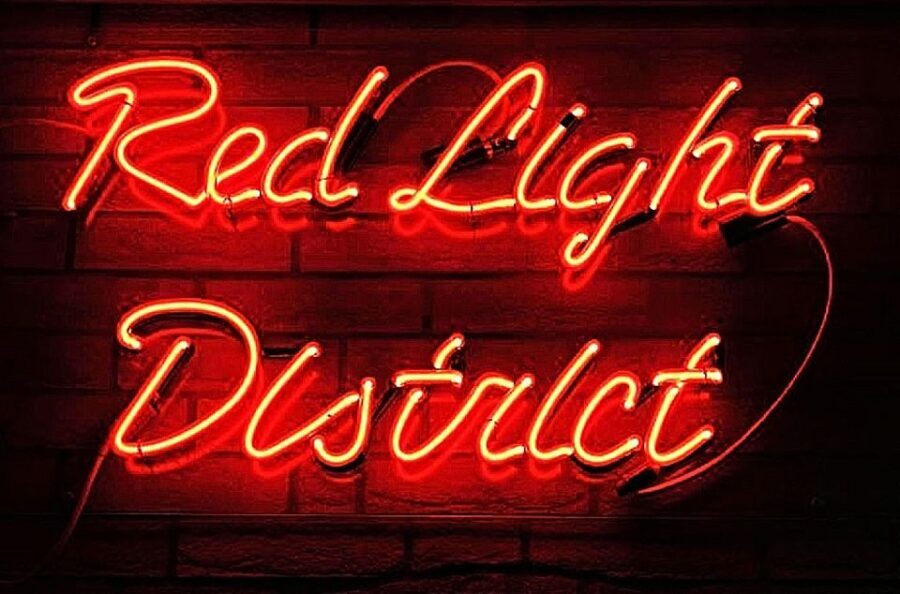
The route includes a stop at Amsterdam Chinatown, plus an additional segment through Zeedijk Street. This is one of the most practical elements of the tour, even if you’re mainly here for history.
Why? Because the Red Light District doesn’t exist in a vacuum. It overlaps with other neighborhoods and commercial areas. When you add Chinatown into the same evening walk, you get a better sense of Amsterdam’s scale and how different cultures share space—sometimes in the same handful of minutes.
You’ll see small shops and restaurants along the way, and you’ll get a clearer idea of where an evening can continue after the tour. It also helps you understand the route logically: the walk isn’t just “adult sights only.” It’s an urban map with context attached.
Coffee-shop culture and the first coffeeshop stop
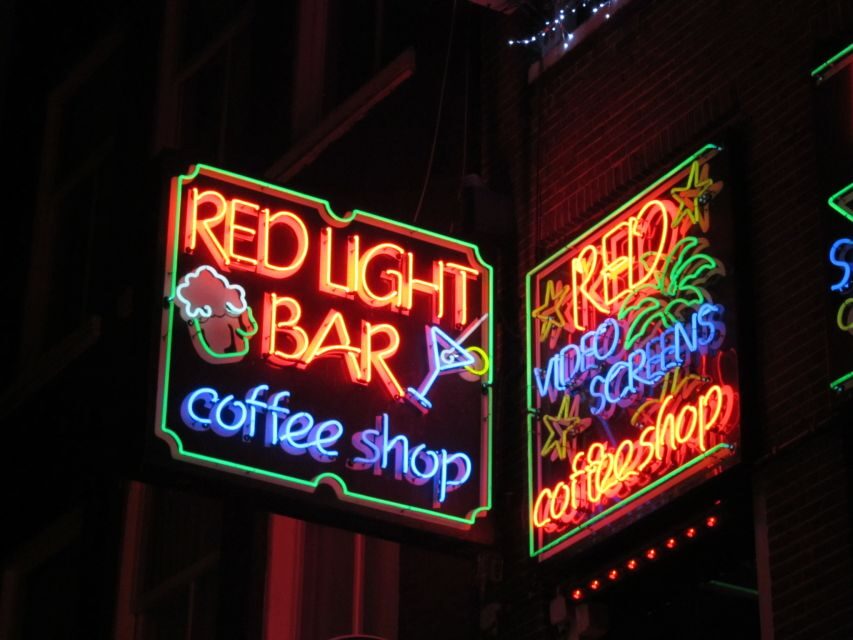
One of the tour’s most talked-about themes is Amsterdam’s coffee shop culture. The tour doesn’t just name-check coffeeshops; it explains the environment around them and how Dutch attitudes toward drugs became part of broader public policy.
A key detail you’ll hear is that the route includes the city’s first coffeeshop. That sounds like a trivia fact—until you connect it to the guide’s explanation of liberalization and regulation. You start to see why coffeeshops are woven into the district’s identity and how they fit into the street economy rather than living off to the side.
You’ll also see or hear about smart shops. Even if you’ve never entered one, the guide helps you understand what these stores represent in the city’s soft-drug ecosystem—and how that ties back to the broader reputation Amsterdam earned.
Leidse Square: why the tour touches the edges of nightlife
Leidse Square appears on the itinerary, and that’s a smart inclusion. It signals that you’re not only walking the adult-entertainment center; you’re walking the edges of Amsterdam’s nightlife map.
Leidse Square is a reminder that Amsterdam nightlife is layered. People who come for the Red Light District often continue the night elsewhere—bars, shows, late-night meals. Guides often use this moment to suggest where you can go next, which is a huge value-add for first-timers.
If you love planning with structure, you’ll appreciate this stop. The guide can turn what might have been an intimidating area into a manageable first-night itinerary.
Condomerie and Casa Rosso: seeing the district’s “brands” and rules
You’ll make a stop at Condomerie and also at Casa Rosso. These aren’t just photo stops. They work as symbols of how Amsterdam treats adult commerce: not hidden, not purely underground, but integrated into regulated spaces that the city can manage.
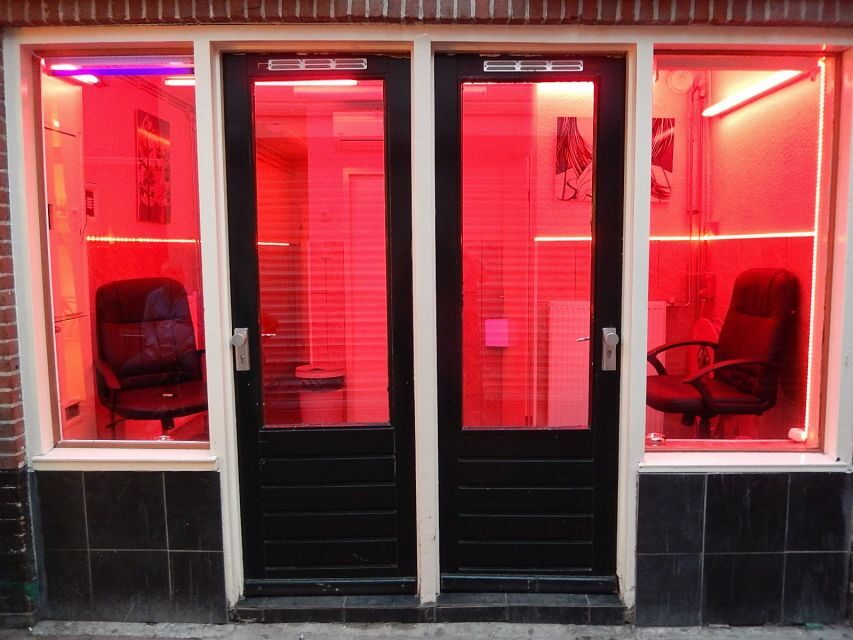
Along the route, you’re also meant to see an indoor prostitute street. That matters for context because it shows the district’s variety. Some parts are window-based; others are indoors; the tour helps you understand that Amsterdam’s approach has multiple “formats,” not just one.
I like that the guide frames this through history and policy rather than trying to shock you. That keeps the experience informative, not just uncomfortable.
One more detail: the district can tempt people into gawking. A good guide uses timing, boundaries, and storytelling to keep the group from crossing lines you don’t need to cross.
Flower Market and Nieuwmarkt Square: ending with old-city color
Two additional stops round out the evening: Amsterdam Flower Market and Nieuwmarkt Square. This ending stretch is helpful because it gives you breathing space after the adult-focused sights.
You’ll come away with a fuller map of old Amsterdam: squares, market energy, canal-side visuals, and the sense that you visited the Red Light District as part of the whole city—not as an isolated exhibit.
If you’re using this tour as your “first night bearings” plan, these last stops help you remember the geography. That means your second day in Amsterdam will feel less like starting over.
Price and value: is $28 fair for a 2-hour guided night walk?
At $28 per person for a 2-hour walking tour, the value comes from three things: a live guide, a compact route, and interpretive context.
A self-guided night walk can show you lights and storefronts. But it won’t explain why Amsterdam’s reputation formed, how coffee-shop and sex-work culture fit into the city’s political approach, or what landmarks mean historically (like the oldest building area around Oude Kerk).
You’re also getting a route that blends adult subject matter with Old Town sights, canals, and major night-adjacent areas. In practical terms, it saves time. On a first trip, time is the most expensive currency you have.
Also note the tour doesn’t include food or drinks. That’s normal for a focused city walk, but it means you’ll want to plan your meal afterward (and the guide may offer ideas for where to go).
Who this tour fits best (and when to skip it)
This experience is a great fit if you want:
- A first-night Amsterdam orientation that doesn’t avoid difficult topics
- A clearer understanding of Dutch policy and how it shows up on real streets
- A guided walk with humor and room for questions (many guides are praised for this)
It may be less ideal if:
- You’re very sensitive to adult content. Even with a respectful, historical framing, you’ll be in the district at night.
- You need lots of quiet. Night streets can be loud and crowded, and you’ll want to keep close to the guide so you don’t miss what’s being explained.
Guides set the tone: why names keep showing up in reviews
Even though guides rotate, the same pattern shows up in the feedback: people praised guides for being friendly, funny, and clear, with strong English (and sometimes German) delivery. Names that came up include Sofia, Aarri, Pilar, Sandro, David, Jay, Aaron, and Pedro.
That matters because a tour like this lives or dies by the guide’s balance. The best ones manage three jobs at once:
1) explain history without turning it into a lecture,
2) handle adult topics respectfully,
3) help you leave with a plan for the rest of your night.
If you get one of those high-energy guides, this tour can feel like going for a night walk with a very informed local friend.
Should you book this Red Light District night tour?
I’d book it if you want a structured first evening that combines Amsterdam’s old architecture with a clear explanation of why this district looks—and operates—so differently. The $28 price, the 2-hour guided format, and the chance to see classic anchors like Oude Kerk plus coffee-shop culture make it a strong “get your bearings fast” choice.
Skip it if adult content will really throw off your comfort level. And if you’re the type who hates crowds or needs frequent breaks, plan your expectations for a night walk where streets can get busy.
If you book, do one thing that improves the whole experience: go with curiosity and a steady pace. Let the guide’s storytelling connect the lights, the canals, and the policy behind the reputation—then use what you learn to plan the next part of your Amsterdam night.
FAQ
How long is the Amsterdam Red Light District exclusive night tour?
It lasts 2 hours and is a walking tour through the district after dark.
What does the tour cost?
The price is listed as $28 per person.
What is included in the tour price?
You get a local guide and a guided tour.
Are food and drinks included?
No. Food and drinks are not included.
What languages are the live guides?
Tours are offered in German and English.
Where do I meet the guide?
The meeting point may vary depending on the option you book. Options include areas around Voyager Hotel Amsterdam, Prins Hendrikkade 46, and the Basilica of Saint Nicholas.
Is the tour suitable for people with mobility impairments?
No. It is not suitable for people with mobility impairments.