REVIEW · AMSTERDAM
From Amsterdam: Tulip Fields of Holland Tour
Book on GetYourGuide →Operated by Amsterdam countryside tours · Bookable on GetYourGuide
Tulips, pie, and a van full of stories. This small-group half-day trip from Amsterdam puts you in South Holland’s spring bulb region so you can walk flower rows (hyacinths, daffodils, and tulips) instead of just looking from a road. I love how the guide talks tulips like a living craft, not a postcard, and how the route uses smaller roads where bigger tour buses can’t go.
What I also liked a lot is the tone of the day: photo stops that feel natural, not rushed, plus a proper break at De Tulperij in Voorhout for Dutch apple pie with tea and coffee. One thing to keep in mind is bloom timing. The best viewing window is April 7 to April 30, and outside that range you may catch more leaves than flowers.
In This Review
- Key Things That Make This Tour Worth Your Time
- Getting to the Bulb Fields Without the Big-Bus Hassle
- The 5-Hour Plan That Keeps It Relaxed (Not Exhausting)
- Lisse and Voorhout Photo Stops: Where the Colors Actually Fill the Frame
- The Tulperij Break: Dutch Apple Pie, Tea, and Coffee
- Walking a Tulip Bulb Farmer’s Fields (What You See Changes How You Think)
- How the Guide Turns Flower Rows Into a Story
- Timing: April 7 to April 30 Is Your Best Bet
- Who This Tour Suits Best (And Who Might Feel Frustrated)
- Is $200 Worth It? The Value Breakdown
- Planning Tips for a Smoother Spring Visit
- Should You Book This Tulip Fields of Holland Tour?
- FAQ
- How long is the From Amsterdam: Tulip Fields of Holland Tour?
- Where do I meet for the tour?
- What’s included in the price?
- How big is the group?
- What flowers will I see during the tour?
- When is the best time to view the fields?
- Is the tour wheelchair accessible?
- What should I bring and what can’t I bring?
- Can I cancel for a full refund?
Key Things That Make This Tour Worth Your Time
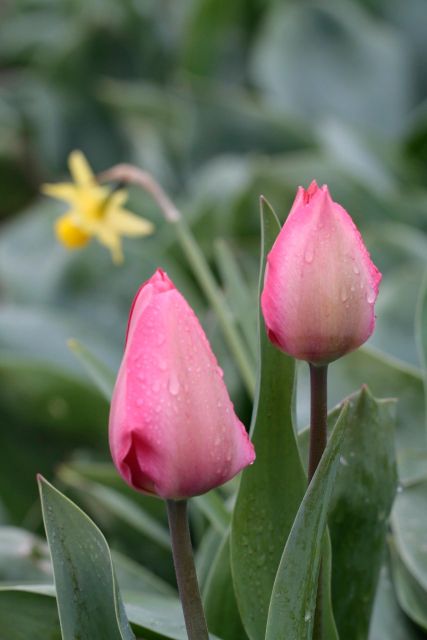
- A 7-person max van ride keeps it personal and helps you reach places big buses can’t enter
- Multiple photo stops around Lisse and Voorhout so you’re not stuck in one spot
- A bulb farmer stroll, where you can see cultivation up close instead of only manicured gardens
- De Tulperij coffee stop with Dutch apple pie, tea, and coffee in the middle of the bloom walk
- Tulip history and propagation stories that make the colors feel less random
- English live guide with real personality, including help taking pictures along the way
Getting to the Bulb Fields Without the Big-Bus Hassle

From the moment you meet up in Amsterdam, the tour runs like a local outing. You head west by van through rural roads, and that matters. In this part of the Netherlands, the flower show is tied to tight plots of land, seasonal timing, and farm access. A van gets you closer to where the flowers actually are, and it’s easier to pause for photos without turning the trip into a parking-lot circus.
This is also the kind of day that fits how I like to travel in spring. You’re not trying to do every museum and every canal cruise in one go. You’re focusing on one theme—bulbs—then letting the countryside and the guide’s stories connect the dots.
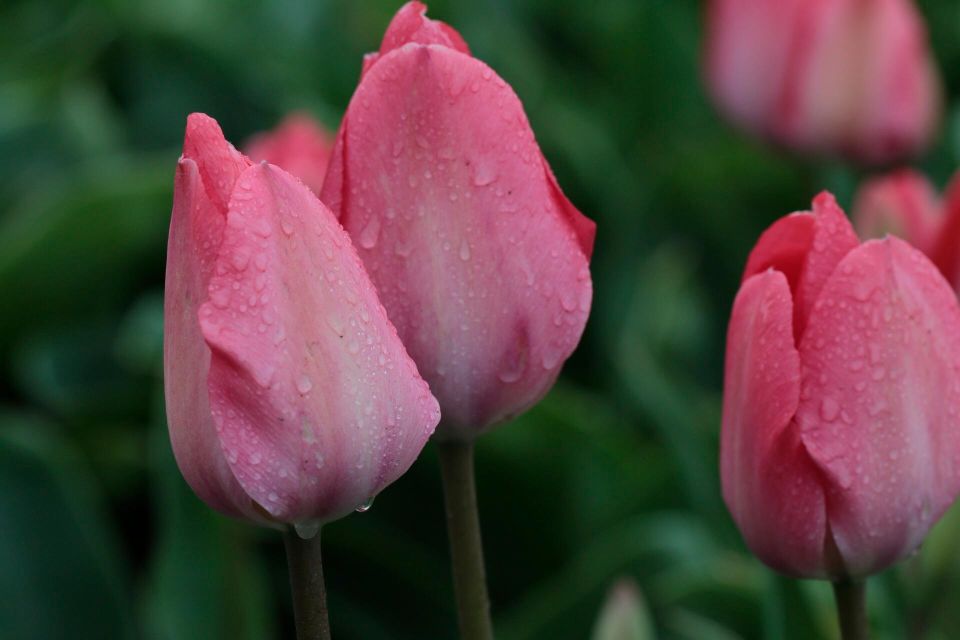
And yes, you do get plenty of color time. Hyacinths, daffodils, and tulips are all part of the mix, with different varieties you’ll notice as you walk the rows.
You can also read our reviews of more tours and experiences in Amsterdam.



The 5-Hour Plan That Keeps It Relaxed (Not Exhausting)
The whole experience is about 5 hours, which is the sweet spot for a half-day flower trip. Long enough to get out into the bulb region, short enough that you still have the rest of your Amsterdam day for something else—like a canal walk, a museum, or just wandering.
The structure is simple and easy to follow:
- you ride by van from Amsterdam,
- you stop to get photos,
- you take a longer break at a Dutch coffee spot,
- you get a final photo stop,
- then you head back.
You also get water onboard, which sounds small until you’re standing in the sun taking pictures and your bottle vanishes faster than you planned. The trip runs in an English-language format with a live guide, so you’re not stuck reading signs while you’re trying to enjoy the view.
Lisse and Voorhout Photo Stops: Where the Colors Actually Fill the Frame
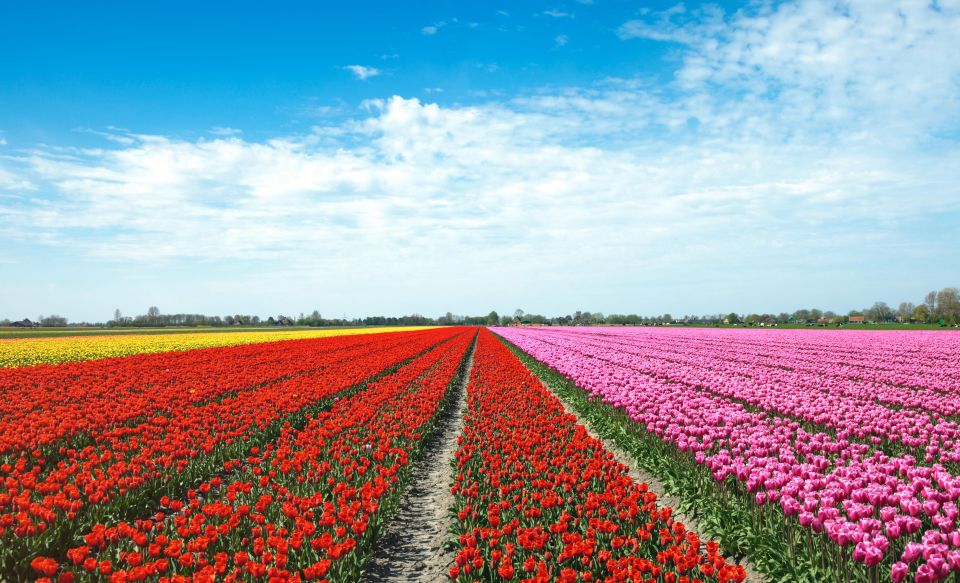
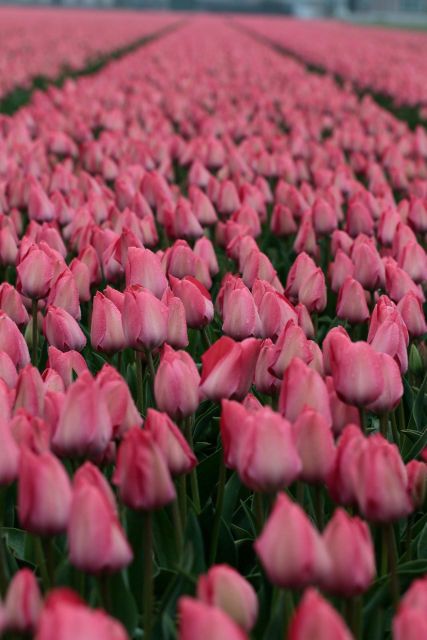
Two short photo stops help break up the drive and keep your eyes moving. In Lisse, you get a dedicated stop for pictures. Lisse is one of the names you’ll hear again and again in Dutch spring bulb talk, and this stop is your chance to see how those fields look when they stretch out in lines and layers.
Then later, you return for another photo stop in Voorhout. That second pause is useful because spring lighting changes fast, and it helps you capture different angles of the fields. If you’re the type who likes to compare shots—wide view, close view, “one row disappears into the distance” view—these stops give you enough variety.
The practical win is that these are photo stops you can actually enjoy. You’re not sprinting between the van and one spot for ten seconds. The pacing leaves room to look, take a breath, and just watch how the wind and sunlight move through the flowers.
The Tulperij Break: Dutch Apple Pie, Tea, and Coffee
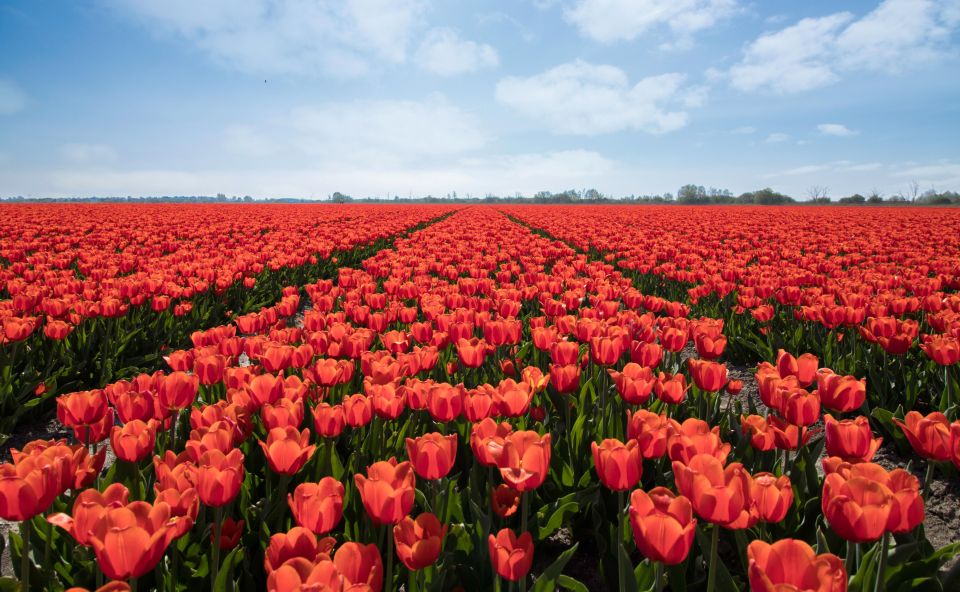
Halfway through, you stop at De Tulperij in Voorhout for an extended break—about 1.5 hours. This is where the trip turns from scenic to satisfying.
You’re served Dutch apple pie with tea and coffee, and it lands right in the middle of the day’s walking. That timing matters. After you’ve spent time looking down rows of flowers, your brain is ready for a reset. The break also gives you a chance to talk with the guide, ask questions about what you saw, and just slow down.
One more reason I like this kind of stop: it keeps the day grounded in Dutch everyday culture. You’re not just consuming scenery; you’re sharing a small local moment.
Walking a Tulip Bulb Farmer’s Fields (What You See Changes How You Think)
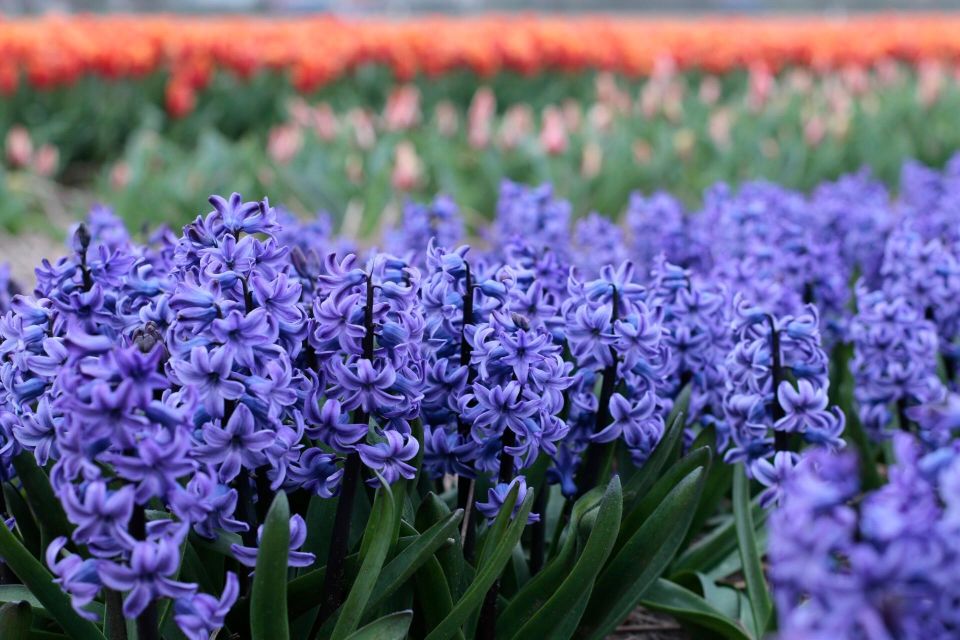
A key part of this tour is visiting a tulip bulb farmer and taking a stroll through his fields. That’s a big difference from tours that only show you flowers in a tight, manicured arrangement.
When you walk through farm plots, tulips start to make more sense as agriculture:
- You notice how rows are laid out for growth and harvest.
- You see that timing isn’t a marketing line; it’s the whole system.
- You get a clearer picture of why certain varieties are where they are.
This is also where the guide’s stories do real work. They explain the history of the tulip and the art of cultivation—how bulbs are grown and cultivated to produce the bloom show you see in March and April.
In other words, you’re not just viewing flowers. You’re learning why those flowers show up when they do—and what farmers do to make it happen.






How the Guide Turns Flower Rows Into a Story
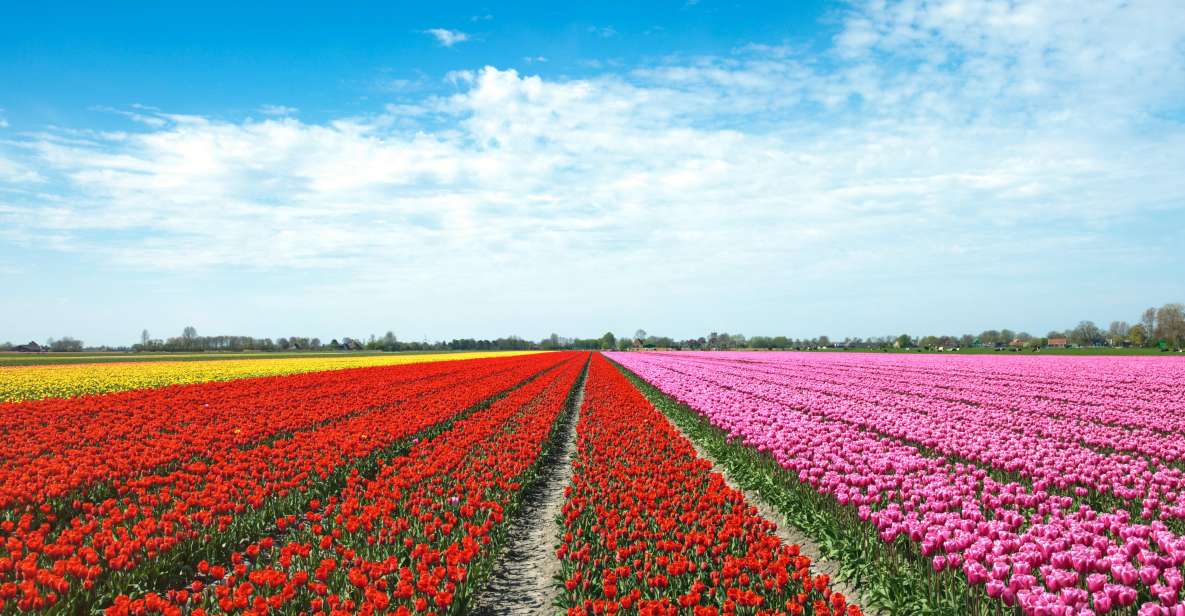
The best spring tour guides don’t just describe what’s in front of you. They help you read it.
Here, the guide covers:
- the history of the tulip in Holland,
- how tulips are propagated and cultivated,
- and how the bulb region shaped the Dutch approach to spring farming.
I like that the tone tends to be both informative and light. Past participants highlighted the guide’s friendly, humorous vibe and how he takes the group’s needs into account—like helping you get good photos. If you’re hoping to leave with more than “pretty flowers,” this is the part that delivers.
And because the group is small—limited to 7 people—you’re more likely to get personal answers instead of one long lecture while everyone stares at their own feet.
Timing: April 7 to April 30 Is Your Best Bet
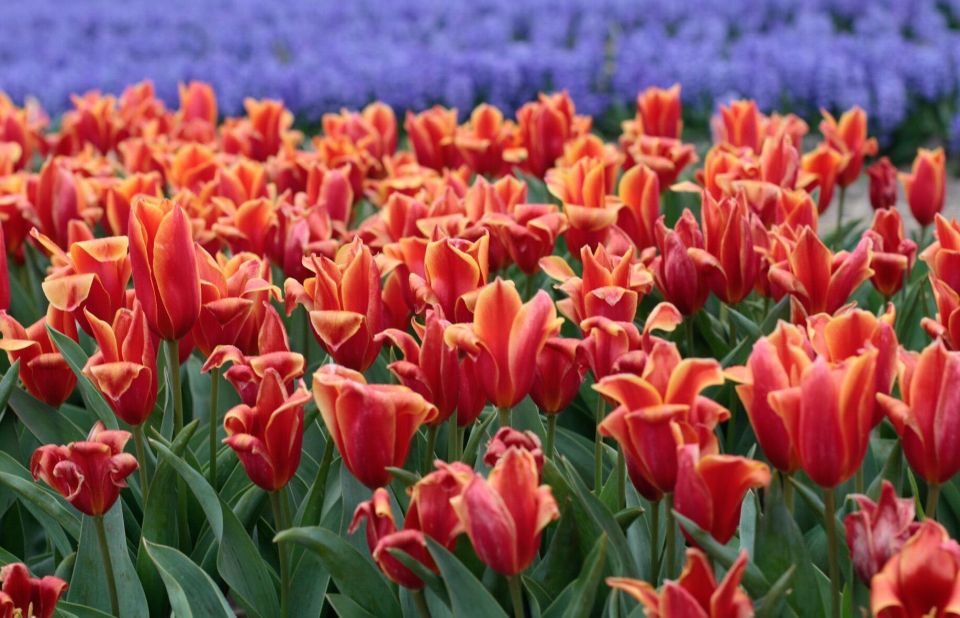
If you take nothing else from this review, take this: blooms depend on the calendar. The tour highlights that the best time to view the fields is April 7 through April 30.
That window is when you can reasonably expect to see the dense color rows that make these fields famous. If you go earlier or later, you might still see flowers, but you risk a less dramatic spread.
Also remember this is a seasonal experience. The whole point is that these bulbs bloom only in the spring, and they bloom in that specific stretch. The tour’s value is highest when the fields match the story.
Who This Tour Suits Best (And Who Might Feel Frustrated)
This works especially well if you want:
- a small-group experience,
- spring scenery without big-bus crowds,
- time outdoors for walking and pictures,
- and a guide who connects the flowers to cultivation and history.
It’s also a strong choice if you like hands-on viewing. The bulb farmer stroll gives you a more real connection to the season than a stop in a decorative garden.
On the other hand, it’s not suitable for wheelchair users. It also has practical restrictions: no baby strollers, no luggage or large bags, and no vaping. If you’re traveling with lots of gear, plan to travel light for this one.
Is $200 Worth It? The Value Breakdown
At $200 per person for a 5-hour half-day, this isn’t the cheapest way to see spring flowers from Amsterdam. So what justifies the price?
You’re paying for:
- small-group access (max 7),
- transportation by van through rural roads and into places large buses can’t reach,
- a live English guide,
- included drinks and snacks,
- and a tulip farmer field walk plus history/propagation explanations.
The included Dutch apple pie with tea and coffee isn’t just a freebie. It’s a meaningful mid-tour pause that keeps energy up while you enjoy the day. Also, the guide support matters. People specifically called out how he helped them enjoy the experience and take good photos.
If you’re comparing it to long bus tours where you spend most of the time waiting and photographing from the same spot, the difference here is time on your feet and access to the bulb region’s real farm areas.
Planning Tips for a Smoother Spring Visit
This tour is simple, but a little prep makes it much better.
- Wear comfortable clothes. You’ll be walking outdoors and spending time looking for the best angles.
- Bring a camera or phone charger if you use your device heavily. The day is photo-friendly.
- Plan to travel light. There’s no allowance for luggage or large bags.
- Keep an eye on the dates. April 7 to April 30 is where you get the fullest bloom impact.
One more small tip: this is the kind of tour where going early can help you avoid crowds. Some past participants mentioned starting early so they missed the busiest times. If your schedule allows, aim for the earlier departures.
Should You Book This Tulip Fields of Holland Tour?
If you’re traveling in spring and you care about seeing tulips in a way that feels connected to how they’re grown, I think this tour is a smart pick. The combination of a small group, van access to bulb-country roads, and a guided stroll with a tulip bulb farmer makes it more than a “look and leave” experience.
Book it if:
- you want hyacinths, daffodils, and tulips, not just one flower,
- you like learning while you walk,
- and you prefer a calmer day over big-bus crowds.
Skip it or look for an alternative if:
- you need wheelchair access,
- you’re bringing a stroller or large bags,
- or your dates fall well outside April 7 to April 30 and you’re set on seeing peak bloom density.
FAQ
How long is the From Amsterdam: Tulip Fields of Holland Tour?
The tour duration is 5 hours.
Where do I meet for the tour?
Meet at Lot61 (Coffee Place) under the Hilton DoubleTree Hotel. If you’re arriving by public transportation, you should stop at Grand Central Station, then walk east to Lot61.
What’s included in the price?
The tour includes roundtrip transportation from Amsterdam by van, water onboard, Dutch apple pie, and coffee and tea.
How big is the group?
The group is limited to 7 participants, and it’s run with a live English guide.
What flowers will I see during the tour?
You’ll see blooming hyacinths, daffodils, and tulips, including different varieties.
When is the best time to view the fields?
The best time to view the fields is April 7 to April 30.
Is the tour wheelchair accessible?
No, the tour is not suitable for wheelchair users.
What should I bring and what can’t I bring?
Wear comfortable clothes. Baby strollers are not allowed, and you also can’t bring luggage or large bags. Vaping is not allowed.
Can I cancel for a full refund?
Yes. You can cancel up to 24 hours in advance for a full refund.