REVIEW · THE HAGUE
The Hague : Must-See attractions Private Walking Tour
Book on GetYourGuide →Operated by Guydeez Tours · Bookable on GetYourGuide
Politics and art walk hand in hand here. I love how this private walking tour strings together the big themes of The Hague—power, painting, and monarchy—without feeling like a textbook. You get two standout wins right away: a guide who can connect what you’re seeing to how Dutch history shaped everyday life, and a route that hits major sights plus the quieter corners you’d probably miss on your own. One thing to watch: with only two hours, you’ll see a lot, but you won’t have the time to linger deep inside every building.
I also like that it starts in the right place, Het Plein, and builds as you go—Willem van Oranje first, then the art-world spotlight at Mauritshuis, and on to the government heart at the Binnenhof and Ridderzaal. If your guide is Dr. Elif Toposkal (she’s specifically recommended), you’ll get extra clarity on context—she uses an iPad to help you visualize historical background, and she’s known for a PhD focus on history and architecture.
Another small consideration: drinks and food aren’t included, so if you’re the type who needs a break, plan a quick stop after the tour.
In This Review
- Key highlights you’ll actually feel on the ground
- Why The Hague works so well on foot
- Het Plein and Willem van Oranje: the story starts with rebellion
- Mauritshuis area: art you can picture, not just read about
- Binnenhof and Ridderzaal: where politics becomes architecture
- Hofvijver pond and the Thorbecke Monument: constitution in plain sight
- Lange Voorhout: the Champs-Élysées of The Hague
- Noordeinde Palace: the working royal side of the city
- Grote Kerk and the stork on top: small detail, big local flavor
- Johan de Witt: the human drama behind the monument
- The tour rhythm: how the 2 hours stay useful
- Who this tour fits best
- Price and value: $88 for a private sprint with real context
- If you can request the guide: Dr. Elif Toposkal is a standout
- Should you book this The Hague walking tour?
- FAQ
- Where does the tour start?
- How long is the walking tour?
- Is it a private tour?
- What language is the live guide?
- Is the tour wheelchair accessible?
- What main sights are included along the route?
- Are drink or food included?
- Do you include public transport during the tour?
- Can the tour be customized?
- How flexible is the booking if plans change?
Key highlights you’ll actually feel on the ground
- Private, customizable pace so you can steer toward what you care about most
- Het Plein to Mauritshuis connects Dutch Revolt roots to Dutch Golden Age art
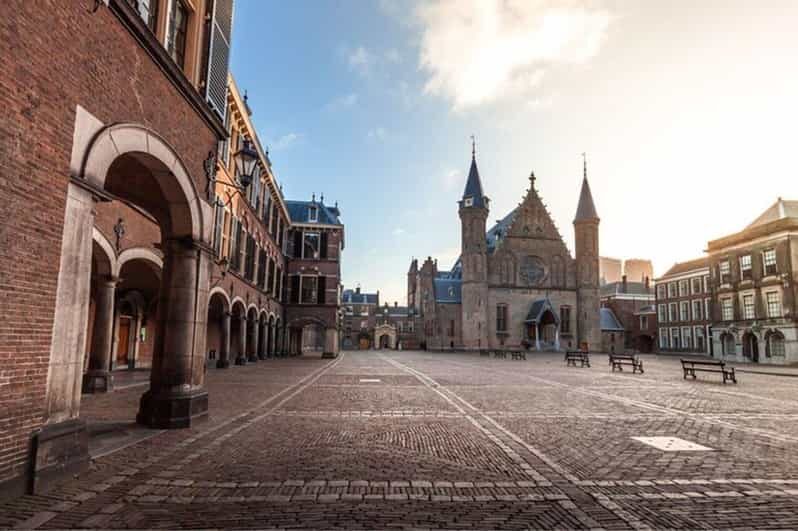
- Binnenhof and Ridderzaal gives you the political significance behind the buildings
- Royal streets on Lange Voorhout and Noordeinde Palace show the city’s “official” side
- Grote Kerk and Johan de Witt sites add human stories, not just monuments
- Helpful ticket booking support if you choose visits that require it
Why The Hague works so well on foot
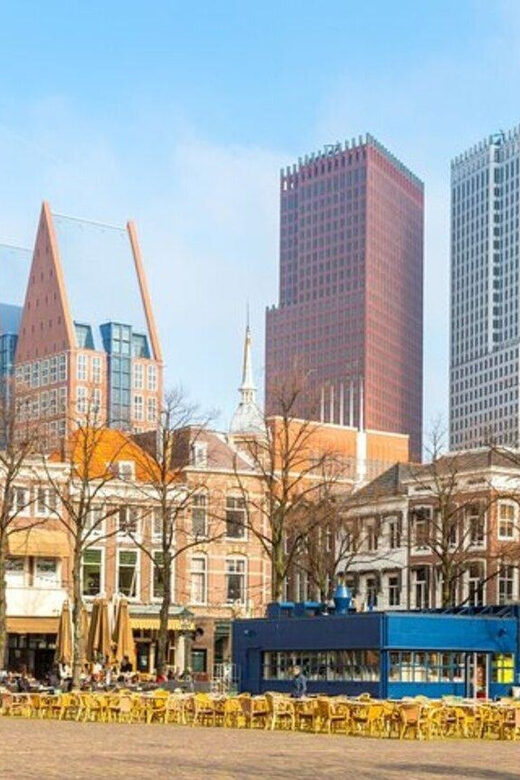
The Hague can feel like two cities at once. There’s the postcard side—classy streets, formal architecture, tidy canals and ponds. And then there’s the power side: parliament, ambassadors, and the working royal palace. Doing it as a walking tour is the smart move because the “meaning” of these places shows up in the spacing—what’s close together, what’s on display, and what’s positioned to command attention.
This tour is also short enough to keep energy high. Two hours is tight, but it’s a good length for getting bearings fast. You’ll leave knowing what to return to later—whether that means the art museum area, the parliament complex vibe, or the streets around embassies.
You can also read our reviews of more walking tours in The Hague
Het Plein and Willem van Oranje: the story starts with rebellion
You meet your guide at Plein 17, at Het Plein, and the tour begins with Willem van Oranje—Willem the Father of the Fatherland. This matters because The Hague’s identity isn’t just about elegance. It’s rooted in a long political struggle, and Oranje is the anchor point for that Dutch Revolt story.
From this first stop, you’ll learn how early events shaped what came later: governance, legitimacy, and the way public spaces communicate authority. If you like history that makes sense in real geography, this is a great start. You’re not just hearing dates—you’re standing where the story can be understood.
Practical note: this is the kind of opening that helps you stop seeing buildings as random backdrops. Instead, you’ll start noticing how the city places power in view.
Mauritshuis area: art you can picture, not just read about
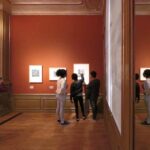
Next comes the Mauritshuis Royal Picture Gallery area, where you’ll connect the dots to famous works by Johannes Vermeer. Even if you don’t plan to spend hours in the museum, you’ll still walk away with a much stronger sense of why Vermeer belongs in this city.
A good guide experience here means you don’t treat it like a single attraction. You understand it as part of the Dutch Golden Age cultural confidence—art as national identity. And the way the tour flows from Oranje into Mauritshuis makes that contrast feel natural: from political rebellion to cultural achievement.
Time reality check: since the overall tour is two hours, this is a seeing-and-understanding stop more than a full museum day. If you’re an art superfan, use the tour to decide if you want a longer return visit.
Binnenhof and Ridderzaal: where politics becomes architecture
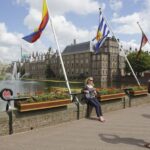
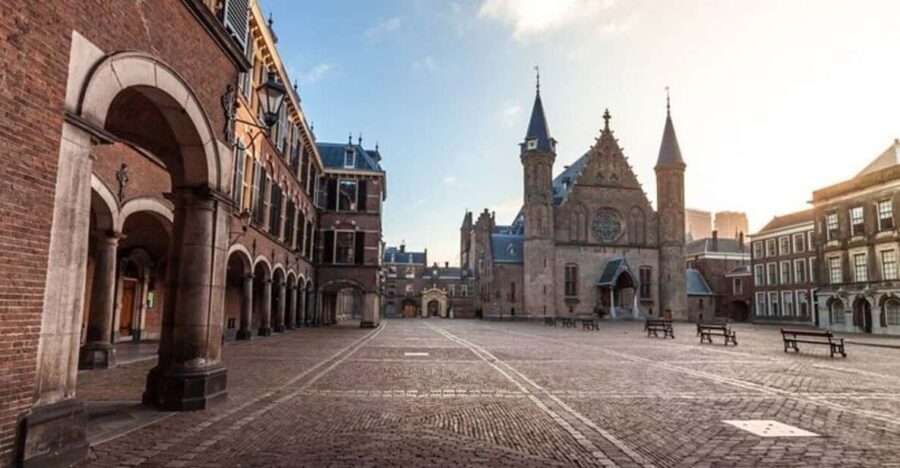
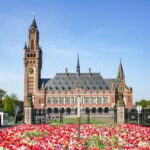
Then you reach the Binnenhof & Ridderzaal within the parliament complex. This is where The Hague’s “official” character turns from atmosphere into specifics. You’ll learn why this complex matters and hear the significance behind what you’re looking at.
One nice detail: depending on timing, you might even catch a glimpse of ministers. That doesn’t happen on every schedule day, but it’s the kind of possibility that makes the stop feel alive, not staged.
The value here is your guide’s ability to translate “big government” into something you can actually see. It’s easy to forget that institutions are built environments. Once you understand the purpose and layout, the place starts to make sense even if you don’t know Dutch politics deeply.
Hofvijver pond and the Thorbecke Monument: constitution in plain sight
After the parliament focus, you move to the Hofvijver pond and then the Thorbecke Monument. The Hofvijver adds breathing room. It’s a pause that helps you reset your eyes between formal buildings and civic-story stops.
Thorbecke adds the “why it matters” layer. The monument is connected to the Dutch constitution, so you’re not only looking at symbols—you’re being taught what that symbolism represents in the country’s legal and political foundation.
This section works well because it prevents the tour from becoming only monuments-and-names. You get the emotional rhythm: history, institution, then an anchor point that ties to the rules under which daily life functions.
You can also read our reviews of more private tours in The Hague


Lange Voorhout: the Champs-Élysées of The Hague
Now you shift into a long stretch along Lange Voorhout, often described as the Champs-Élysées of The Hague. That comparison fits because it’s a formal, ceremonial boulevard feel, lined with embassies and notable institutions.
What you’ll appreciate here is not just the street view—it’s the mix of influences. You’ll pass an art museum, embassies, and you’ll learn how these buildings reflect The Hague’s international role. Even if you’re not traveling for politics, you’ll feel the difference between this area and more tourist-heavy parts of the Netherlands.
This is also where you can ask your guide questions that make the whole trip easier: Where do locals go? What neighborhoods have the best atmosphere? What’s worth a return trip on a quieter day?
Noordeinde Palace: the working royal side of the city
From Lange Voorhout, the route reaches Noordeinde Palace, the working palace of the Dutch king. That wording matters. You’re not just seeing a royal backdrop. You’re seeing a place meant for function, not fantasy.
This stop blends perfectly with the surrounding embassy street energy. You’ll connect how monarchy and diplomacy coexist in the same city layout—visible authority, formal buildings, and the sense that the country’s leadership is present in daily geography.
If you’re the kind of traveler who likes learning from city organization, this is a great moment to pay attention to sightlines: where the palace sits relative to the boulevard and how the street frames it.
Grote Kerk and the stork on top: small detail, big local flavor
Next comes the Grote Kerk, known for the stork on top. It’s a classic example of why walking is better than bus sightseeing: you start noticing distinctive details that might register as trivia elsewhere, but here it becomes a hook for local meaning.
This is also a good stop for photos that feel genuinely “place-based.” The stork isn’t a generic landmark. It’s a recognizable feature you can tie to the building’s identity and the way The Hague’s architecture carries its own clues.
Johan de Witt: the human drama behind the monument
Finally, you’ll see the Statue of Johan de Witt, connected to a shocking chapter of Dutch history: he was the only Dutch head of government eaten by an angry mob. That line is dark, but it also explains why this statue feels intense in person. It’s not a clean, heroic story. It’s a reminder that politics can turn on people fast.
This stop adds emotional weight to the tour’s earlier theme of governance and authority. You’ve moved from early rebellion, to constitutional foundations, to the functioning structures of parliament and monarchy. And then you end with a stark warning about what happens when legitimacy collapses.
If your guide is Dr. Elif Toposkal, this is often the type of point she’ll frame clearly—history plus how we should read the present.
The tour rhythm: how the 2 hours stay useful
The itinerary is paced so that each stop builds context instead of repeating it. It helps you avoid the most common walking-tour problem: lots of sightseeing, but not much meaning.
Here’s the rhythm you’ll feel:
- Start with origins (Willem van Oranje)
- Move to cultural proof (Vermeer at Mauritshuis area)
- Land on institutions (Binnenhof and Ridderzaal)
- Tie it to governing foundations (Hofvijver + Thorbecke)
- Show the city’s official streets (Lange Voorhout)
- Cap it with the working monarchy (Noordeinde Palace)
- Add character landmarks (Grote Kerk stork)
- Finish with a dramatic political story (Johan de Witt)
Because it’s private and customizable, you can also adjust if your interests skew more toward art, more toward politics, or more toward royal/diplomatic history.
Who this tour fits best
This is a strong match if you:
- want a high-impact introduction to The Hague
- enjoy political and architectural context, not just surface facts
- like art history but don’t want to spend a whole museum day
- prefer walking with a guide who can answer your questions on the spot
It may feel less perfect if you’re looking for a long, slow museum day or a food-and-wandering experience. This tour is about structure: meaningful sights, clear explanations, and practical direction.
Price and value: $88 for a private sprint with real context
At $88 per person for a two-hour private walking tour, you’re paying for three things that matter in cities like The Hague: personalization, expert guidance, and efficiency.
You’re not just buying a route. You’re buying the ability to understand what you’re seeing as you walk. You also get a guide who can point you toward additional activities afterward—so the tour becomes a planning tool, not only a sightseeing moment.
Also, there’s support for booking tickets for desired visits. Since museum and building entry can be timing-sensitive, that help can save your energy for actually enjoying the day.
If you’re traveling solo or as a small party, private value is highest when you’ll actually use the customization. If you know exactly what you want—parliament focus, art focus, royal focus—tell your guide early. It makes the cost feel more like a smart investment than a splurge.
If you can request the guide: Dr. Elif Toposkal is a standout
One of the strongest signals from guide experiences here is the praise for Dr. Elif Toposkal. She’s described as enthusiastic, highly knowledgeable, and especially strong at connecting history and architecture. One extra perk noted is her use of an iPad slideshow to show historical context visually, which can make complicated timelines easier to hold onto.
There’s also mention of other guides like Elif and Angela in positive terms, so you’re likely to have a good experience regardless. But if you have the option to request, Dr. Elif is a solid bet.
Should you book this The Hague walking tour?
Yes, if you want a fast, meaningful way to understand why The Hague looks and feels the way it does—government, art, and royal presence all in one walk. The biggest reason to book is the payoff: you leave with a clearer mental map and enough context to choose what to do next.
Wait or consider a different option if you’re the type who needs lots of time inside museums and churches. This tour is designed for seeing and learning, not for long stays at every stop. For best results, use it as your orientation tour, then return on your own for the places that grabbed you.
FAQ
Where does the tour start?
You meet your guide in Het Plein, at Plein 17.
How long is the walking tour?
The duration is 2 hours.
Is it a private tour?
Yes. It’s private and exclusive, so there won’t be anyone else in your group.
What language is the live guide?
The tour guide is available in English.
Is the tour wheelchair accessible?
Yes, it is wheelchair accessible.
What main sights are included along the route?
You’ll visit Het Plein, the Mauritshuis Royal Picture Gallery area, the Binnenhof & Ridderzaal, Hofvijver pond, the Thorbecke Monument, Lange Voorhout, Noordeinde Palace, the Grote Kerk, and you’ll also see the statue of Johan de Witt.
Are drink or food included?
No. Drinks or food are not included.
Do you include public transport during the tour?
The tour includes walking and public transport, except if you select an option that changes that.
Can the tour be customized?
Yes. It’s private and customizable, and your guide can tailor it to what interests you.
How flexible is the booking if plans change?
Cancellation is free up to 24 hours in advance for a full refund. There’s also a reserve now & pay later option available.