REVIEW · THE HAGUE
The Hague Walking Tour
Book on GetYourGuide →Operated by HTG Services · Bookable on GetYourGuide
The Hague is a capital in disguise. This private walking tour strings together the city’s big-ticket landmarks with local context, from the Dutch parliament area to the Peace Palace. It’s a smart way to see why The Hague feels distinct from other Dutch cities, without feeling like you’re sprinting through postcards.
I particularly love two things. First, the way the route connects history and architecture—parliament buildings, old royal power, and modern city design—so the streets make sense as you walk. Second, the end at the Peace Palace visitor center, where the audio materials help you connect the building to international justice and Carnegie’s role in its development.
One consideration: while the tour is listed as 3 hours, it can feel like a compact sprint through highlights, especially if you’re the type who wants long pauses in one spot. You’ll still get a lot, but you may want to plan for walking time and not expect long sit-down moments.
In This Review
- Key things to love about this The Hague walk
- The Hague’s “other capital” energy, in a walk that makes it click
- Price and value: what $164 buys you (and what to watch for)
- Getting started at Den Haag Central and how pickup fits in
- Parliament buildings and the hunting-ground story you’ll carry all day
- City Hall and the tram tunnel: modern architecture that’s easy to miss
- A possible royal glimpse in the old town area
- Shopping streets, compact highlights, and why walking is the right tool here
- Peace Palace visitor center: Carnegie, international law, and why the audio helps
- Walking comfort: 5 km doesn’t sound long, but plan for it
- Guides and languages: private means you can tune the experience
- Who should book this The Hague walking tour?
- Should you book? My straightforward take
- FAQ
- How long is the walking tour?
- Where do we meet in The Hague?
- Is this tour private?
- How much walking is involved?
- What languages are available?
- What’s included, and what should I plan for separately?
- Is the Peace Palace visitor center part of the tour?
Key things to love about this The Hague walk
- Private guide, flexible pace: Designed for a relaxed walk so you can ask questions and stay present.
- Parliament area context: You learn what used to sit on the ground before today’s complex.
- Modern design moments: You pass striking contemporary elements like the tram tunnel and City Hall.
- Royal landmarks when conditions allow: There’s a chance you’ll spot the King and Queen at work in the old town palace area.
- Peace Palace finale with audio support: The visitor center adds structure to a subject that’s easy to miss on your own.
- About 5 km on foot: Enough distance to feel like a real city walk, not a quick stroll.
The Hague’s “other capital” energy, in a walk that makes it click
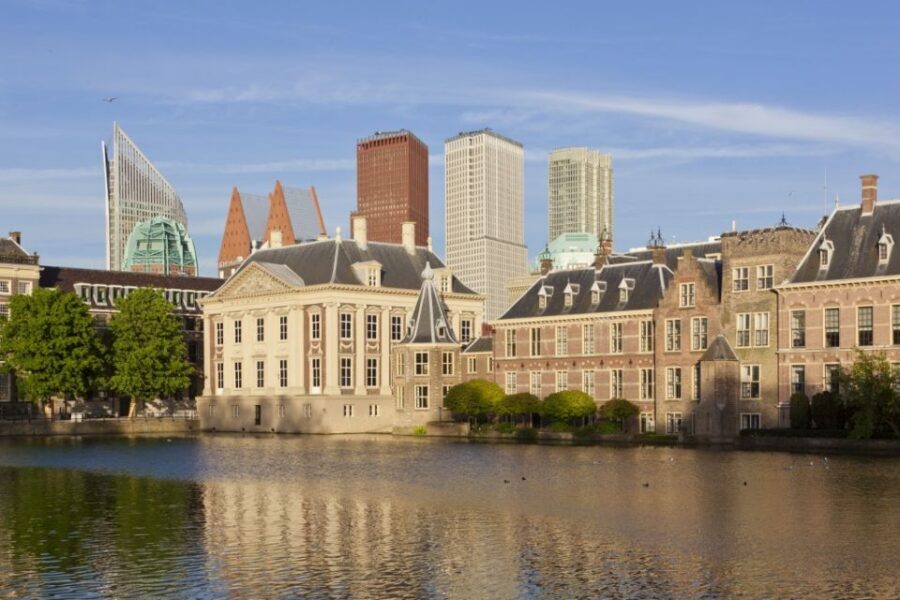
The Hague sits in a funny category in the Dutch imagination: people often assume Amsterdam is the capital, but The Hague is where a stack of national and international power lives. Here you’re dealing with parliament seats, international legal institutions, and lots of embassies—plus the working offices of King William Alexander. That mixture gives the city a polished, official feel in one block, then a very human street scene in the next.
What makes this tour work is that it doesn’t treat The Hague like a museum with walls. It treats it like a living civic space. You’ll see monuments tied to state power, then you’ll move through busy shopping streets, and you’ll catch surprising modern architecture along the way. The result is a city portrait that feels real, not staged.
You can also read our reviews of more walking tours in The Hague



Price and value: what $164 buys you (and what to watch for)
At $164 per person for a 3-hour private walk, you’re paying for three practical things: a dedicated guide, a route designed around highlights in a small area, and included access to the Peace Palace visitor center.
Here’s how I think about the value:
- Private format matters. You’re not trying to squeeze questions into a group moment. If you care about architecture, history, or how the city works politically, you’ll get more out of a guide who can respond in real time.
- The Peace Palace stop isn’t just a photo op. You’re not wandering in cold. The visitor center experience is built into the tour, and you get an audio guide for the materials inside.
- You’re paying to save mental effort. In a city like The Hague, it helps to know what you’re looking at and why it matters. A local guide turns “big buildings” into clear, connected stories.
The main value question is this: do you want a guided narrative, or would you rather self-walk major sights at your own pace? If you like structured context and Q&A, this price is easier to justify. If you’re purely sightseeing and already know what you want to see, a cheaper group tour might do the job.
Getting started at Den Haag Central and how pickup fits in
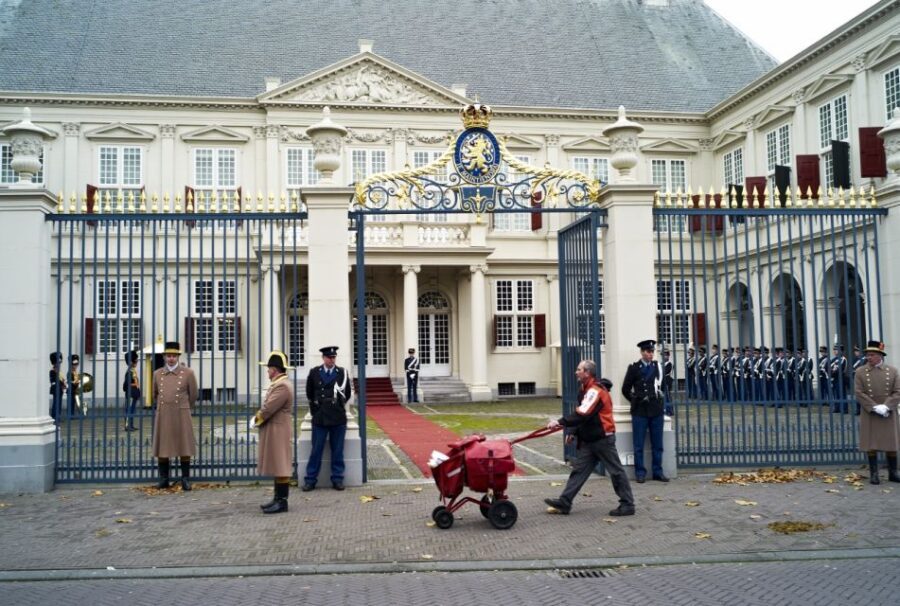
Your meeting point is by the Cloud Lamp at The Hague’s central station (Den Haag). The guide holds a sign with your name, so it’s usually straightforward to find each other.
If you’re staying downtown, hotel pickup is included. That’s not just convenience—starting from your hotel often means you arrive with less rushing and more energy for the walk.
Either way, plan to be ready to start smoothly. This is a city-walking tour, and the timing tends to work best when you’re not stuck navigating meetups with bags and time pressure.
Parliament buildings and the hunting-ground story you’ll carry all day
One of the strongest reasons to take a guided walk in The Hague is the way the city explains its own layers. You’ll visit the parliament buildings, and the guide connects them to what stood there before: this site used to be part of the hunting area for the Counts of Holland.
That detail changes how you read the space. Instead of seeing an official complex and thinking, big government, you start noticing how power structures often sit on older land-purpose—people gathered, hunted, traveled, and then later the state took over the geography. When you hear that story while you’re standing near the buildings, it sticks.
You’ll also move through the surrounding street fabric—busy shopping streets and the normal rhythm of city life. That matters because it prevents the landmarks from becoming isolated. The Hague isn’t only about institutions; it’s also about daily movement around them.
City Hall and the tram tunnel: modern architecture that’s easy to miss
A lot of walking tours focus on the obvious old façades and stop there. This route makes sure you also notice modern design in the middle of it all.
You’ll pass daring modern architecture highlights, including:
- the underground tramway tunnel
- City Hall
Even if architecture isn’t your main interest, this part helps you understand the city’s tempo. The Hague isn’t stuck. It’s constantly updating transport and public spaces while still keeping its official identity intact. Walking past these features also gives you something to look for on your own after the tour—small structural details, the way the city blends underground infrastructure with street-level design, and how new buildings relate to older civic spaces.




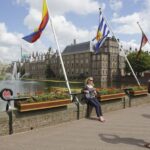
A possible royal glimpse in the old town area
The King William Alexander connection isn’t just a name on a postcard. The tour route includes the idea that you may catch a glimpse of the King and Queen at work in their palace in the old town area—if timing and access allow.
I want to be clear about how to think about this: it’s a possibility, not a guaranteed sighting. But even knowing that the office/presence of the monarchy is part of the city’s geography changes your attention. You’ll look differently at the old-town settings you pass, and you’ll understand the city’s official mood a bit better.
If your goal is pure monarchy spotting, keep expectations flexible. If your goal is understanding how monarchy and government translate into streets and buildings, you’ll get more from the context than from any single photo.
Shopping streets, compact highlights, and why walking is the right tool here
Top sites in The Hague are close enough that walking makes sense. That may sound basic, but it’s the main reason this kind of route works well.
When sights cluster like this:
- you get fewer long travel gaps
- you keep the story flowing
- you notice street-level details that you’d miss between transit stops
You’ll move through areas that feel like real neighborhoods—busy shopping stretches and public spaces—so the official landmarks don’t feel like isolated islands. This is the kind of city where a walking pace helps you connect the dots.
Peace Palace visitor center: Carnegie, international law, and why the audio helps
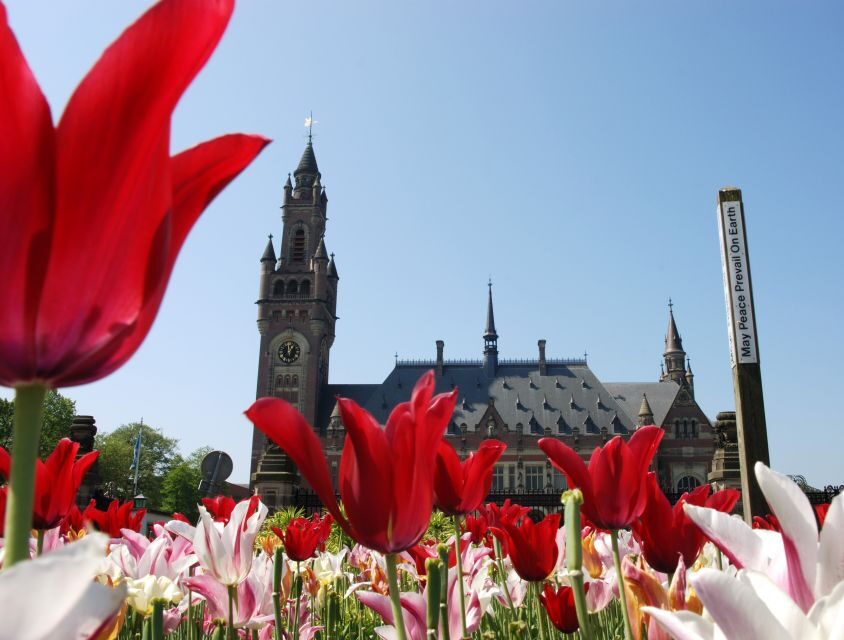
The tour finishes at the Peace Palace, where you’ll have access to an audio guide for the visitor center.
This stop is valuable because it turns a famous building into a meaningful, understandable experience. Without guidance, you might see the Peace Palace as important-but-abstract. With the visitor center materials, you learn about the laws of international justice and the role Carnegie played in developing the building.
A building like this is the kind you can photograph easily and still not fully grasp. The audio format helps you pace the learning while you move through the space. It also makes the subject feel less like a lecture and more like guided storytelling.
Keep in mind one timing consideration. One experience pattern shows that some tours may transition to the visitor center audio experience around the later stage, and the overall feel can vary depending on how the guide handles pace and questions. If you want lots of time to linger inside the visitor center, plan to treat this as the final anchor and stay present once you get there.
Walking comfort: 5 km doesn’t sound long, but plan for it
You’re looking at about 5 kilometers (around 3 miles) of walking. That’s a moderate distance. Still, it’s spread across multiple landmark stops, so you’ll be on your feet the whole time rather than just doing one long straight walk.
Practical advice:
- wear comfortable shoes
- avoid heavy bags, since a lot of the day is movement and stop-start walking
If you’re sensitive to walking time, you’ll still manage fine, but you’ll enjoy the experience more when you reduce the extra weight and friction.
Guides and languages: private means you can tune the experience
This is a private tour in your chosen language (English, German, Dutch, French, Spanish). That matters more than people think. Language isn’t only about translation—it’s about whether you can comfortably ask follow-up questions when a topic sparks your curiosity.
I like that the tour is built around a local guide who can adapt. The strongest feedback patterns are about guides who answer questions well and keep the day feeling interactive rather than scripted. One guide name you may hear associated with excellent hosting is Ron, described as a standout host with strong answers and follow-through on interests.
If you’re the kind of traveler who wants to ask, Why is that here? or How did that evolve? this is where a private format pays off.
Who should book this The Hague walking tour?
I think this tour fits best if you want:
- a guided, coherent story across the city’s major civic sites
- architecture and city design context, not just a checklist
- a finale that explains international justice at the Peace Palace visitor center
- time for questions in a calm, walking pace
You may especially enjoy it if:
- you’re visiting The Hague for the first time and want direction without losing spontaneity
- you care about how government and international institutions show up in everyday city life
- you’re comfortable with a moderate walk and want to see a lot in one go
If your travel style is mostly independent wandering, you can still self-tour the area. But you’ll probably miss how the guide connects the layers—like the parliament site’s hunting-ground history and why Carnegie’s influence matters in the Peace Palace story.
Should you book? My straightforward take
Book this tour if you want a guided city story that moves from parliament and royal context to modern architecture and then lands at the Peace Palace with audio support. It’s good value when you like interpretation, not just observation, and when you appreciate a guide who can answer your questions at walking speed.
Skip it or choose a different option if you hate walking time, or if you need lots of free time inside one major site. This is a “see the highlights and understand them” tour. It isn’t built for long, slow lingering.
If you do book, wear good shoes, travel light, and treat the Peace Palace audio stop as the day’s learning anchor.
FAQ
How long is the walking tour?
The duration is listed as 3 hours.
Where do we meet in The Hague?
Meet by the Cloud Lamp at central station in The Hague (Den Haag). The guide will be holding a sign with your name.
Is this tour private?
Yes. It’s a private group tour.
How much walking is involved?
It involves about 5 kilometers (around 3 miles) of walking.
What languages are available?
The live guide is available in English, German, Dutch, French, and Spanish.
What’s included, and what should I plan for separately?
Included are hotel pickup from downtown The Hague, a private tour in your chosen language, and entry to the Visitor Center Peace Hall. Food and drinks are not included, and gratuity is not included.
Is the Peace Palace visitor center part of the tour?
Yes. The tour includes the Visitor Center Peace Hall, and you’ll have an audio guide there.