REVIEW · THE HAGUE
Amsterdam: The Hague, Delft and Rotterdam Private Day Tour
Book on GetYourGuide →Operated by Trigger Tours · Bookable on GetYourGuide
Four cities can fit into one long day.
This private tour is a smart way to see The Hague, Delft, and Rotterdam with a private guide driving the story—politics, pottery, and bold city rebuilding in one sweep. You also get the option to stop at Madurodam, where Dutch landmarks show up at a neat little scale.
I especially like how Delft Blue turns a museum visit into something you can actually picture and recognize in real life. And Rotterdam’s contrast—war-damaged roots followed by modern planning—lands hard when you see it in person during a 10-hour outing. One consideration: this is a full day with lots of time moving between cities, so bring patience, comfortable shoes, and plan for walking.
In This Review
- Key reasons this private South Holland tour works
- How the day flows when you’re not “DIY-ing” South Holland
- Delft Blue and the Royal Delft Museum: why Delft is more than a postcard
- The Hague’s Binnenhof and New Church: politics with real atmosphere
- Madurodam: a miniature park that earns its ticket price for the right people
- Rotterdam after WWII: modern architecture with a human backstory
- Price and logistics: does $589 per person feel worth it?
- What makes a private guide matter on this route
- What to bring and how to pace yourself for 10 hours
- Who should book this private day tour
- Should you book the Amsterdam to The Hague, Delft and Rotterdam private day tour?
- FAQ
- How long is the Amsterdam: The Hague, Delft and Rotterdam Private Day Tour?
- Is this a private tour or shared group?
- What’s included in the tour price?
- Do I have to pay for Madurodam separately?
- What languages are the live guides available in?
- Is free cancellation available?
- What should I bring for the day?
Key reasons this private South Holland tour works
- Private guide, private transport: no hunting for trams or figuring out what to see next.
- Three different cities, one coherent theme: politics in The Hague, craft in Delft, reinvention in Rotterdam.
- Binnenhof and New Church in The Hague: big landmarks, explained in plain language.
- Delft Blue pottery focus: you don’t just pass through Delft—you get the pottery story with it.
- Madurodam is optional but easy to slot in: you’ll see if miniatures are your thing.
- Good guide energy matters: guides like Luba (high-effort explanations) and Mr Bram (careful routing through lanes) can make the whole day feel smoother.
How the day flows when you’re not “DIY-ing” South Holland
This is built for people who want value in the simple way: you show up, you get picked up, and someone else handles the driving while you focus on what you’re seeing. Expect a full 10-hour day that strings together three distinct cities plus a quick stop at Madurodam if you want it.
You’ll travel with a live private guide (German, Dutch, or English) and a private vehicle. That matters here because Holland can feel “close on a map” while still taking real time on the ground. With private transport, you lose less time to transit confusion and more time to actually looking.
The pace is sightseeing-plus-walking, not museum marathon. You’ll likely spend more time outside for the landmark parts of The Hague and Rotterdam, and more time focused in Delft where the craft story takes center stage.
You can also read our reviews of more private tours in The Hague

Delft Blue and the Royal Delft Museum: why Delft is more than a postcard
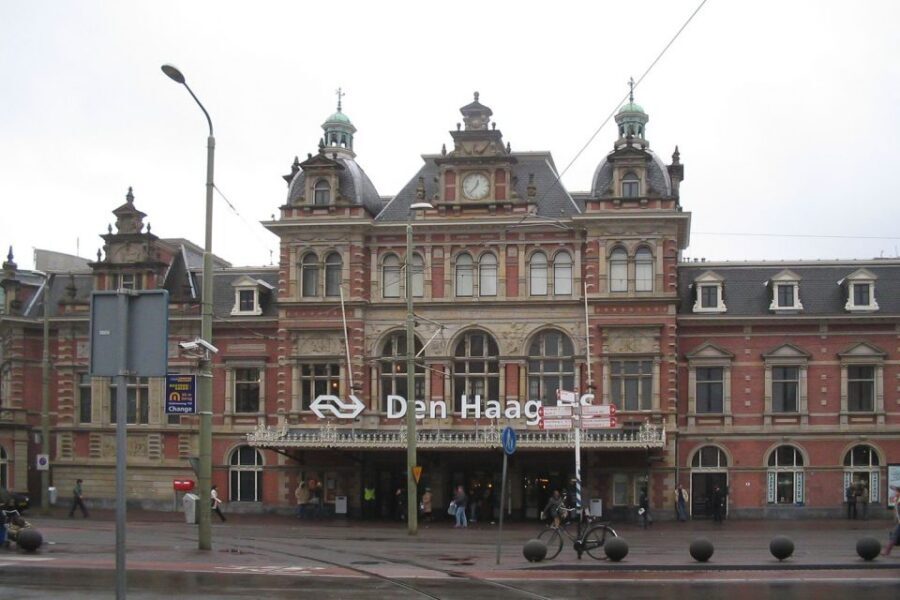
Delft is the stop that often surprises people—because it’s not just pretty canals and old streets. It’s a city tied to the Dutch Golden Age and it comes with a specific, recognizable craft: Delft Blue pottery.
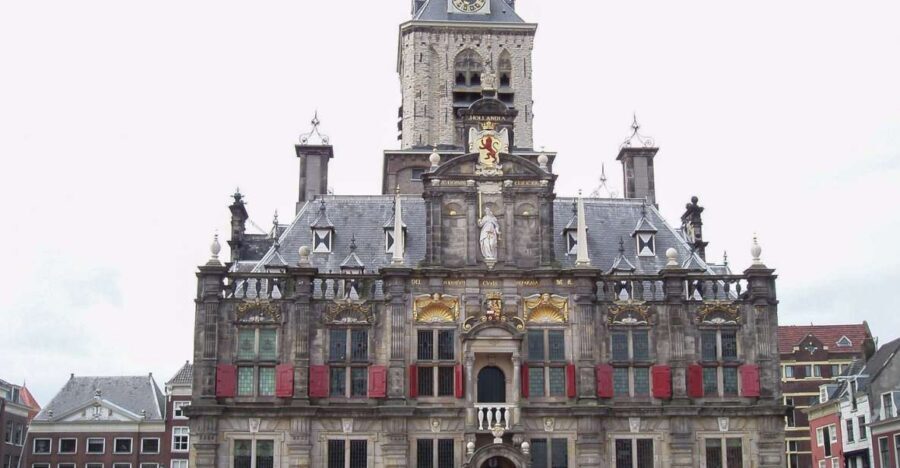
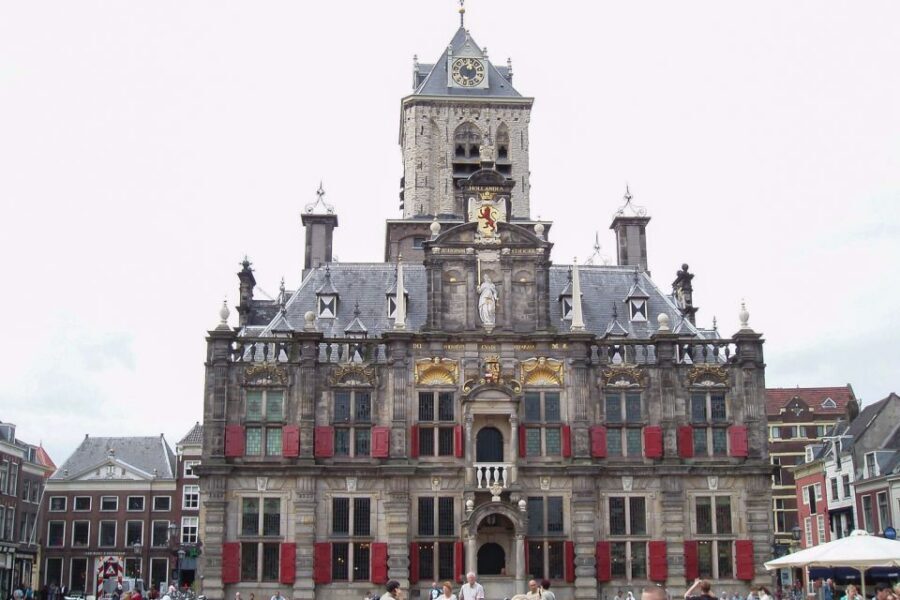
After pickup, you head to Delft first. The plan includes time connected to the House of Orange-Nassau, and you’ll also get a chance to see how Delft’s role in Dutch history connects to what the city became known for. Even if you’re not the type who reads plaques for fun, having a guide helps you understand why Delft’s look and reputation make sense.
The highlight here is the Royal Delft Museum, where you can learn about the famous Delft Blue pottery. This is where a private guide pays off. Instead of wandering through “ceramics stuff,” you can connect the dots—what makes the style distinct, why Delft matters, and what you’re looking at when you see blue-and-white pieces elsewhere.
One practical note: the museum time is a good chance to slow down. Wear shoes that can handle indoor/outdoor walking, and keep water handy so you don’t feel rushed when you’re standing around to see objects closely.
The Hague’s Binnenhof and New Church: politics with real atmosphere
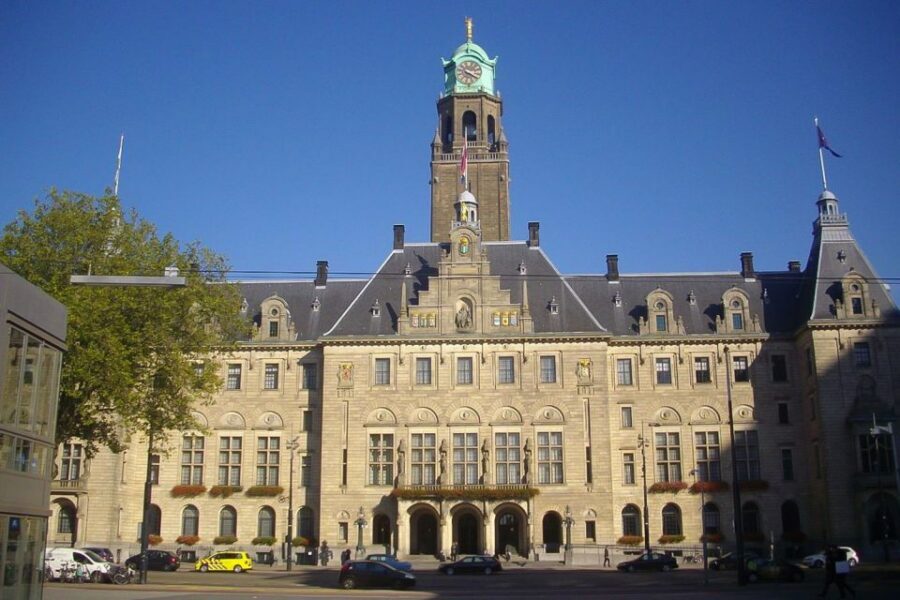
Next comes The Hague, the Netherlands’ political center, which is a different kind of travel energy than most “holiday cities.” You’re mixing government-area landmarks with old-city charm, and your guide turns the area into something you can understand without needing a civics degree.
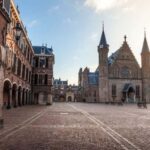
You’ll visit key sights including the Binnenhof and the New Church, and you’ll have time to see the area around the 19th-century restored City Hall. The New Church is described as baroque, so expect a church visit that feels more about architectural character than quiet worship-only space.
Here’s what I like about this part: it’s not just famous names. You get context for why these places matter and how they show up in the city’s layout. A great guide also helps you spot details you’d otherwise miss—like how the buildings and public spaces create a sense of “center” in a city that’s often thought of as official and formal.
Potential drawback: The Hague sights can feel a bit “plan-heavy” if you’re the type who hates structured sightseeing. If you like freedom, tell your guide early what pace you want so you’re not stuck feeling like you’re rushing through major landmarks.
If you’ve ever had a day tour where you only catch surfaces, this is one of the better sections for staying engaged—especially when the guide is the type who puts effort into explaining what you’re seeing (the kind of approach people associate with guides like Luba).
Madurodam: a miniature park that earns its ticket price for the right people
After The Hague, you have the option to visit Madurodam. This is a miniature park built around 1:25 scale replicas of Dutch landmarks and historical cities, along with large developments.
Important detail: the Madurodam entrance is €16.50 per person, so treat it as an add-on rather than a guaranteed included stop. If you love model-building, city planning, or clever ways to learn a place fast, this is likely time well spent. If miniatures make you feel like you’re looking at tiny toys all day, you can skip it and use the time to linger longer in The Hague.
What makes Madurodam work on a long day is that it can be both quick and satisfying. You’re not committing to a multi-hour museum experience. You’re getting a concentrated “visual map” of Dutch identity—useful when your day includes multiple cities and architectural styles.
I’d suggest you go in with a simple goal: pick a handful of places you’ve already seen (like areas connected to Delft or The Hague) and use Madurodam to refresh your mental picture of where things fit. With a guide, you can also ask for what to notice as you walk.
Rotterdam after WWII: modern architecture with a human backstory
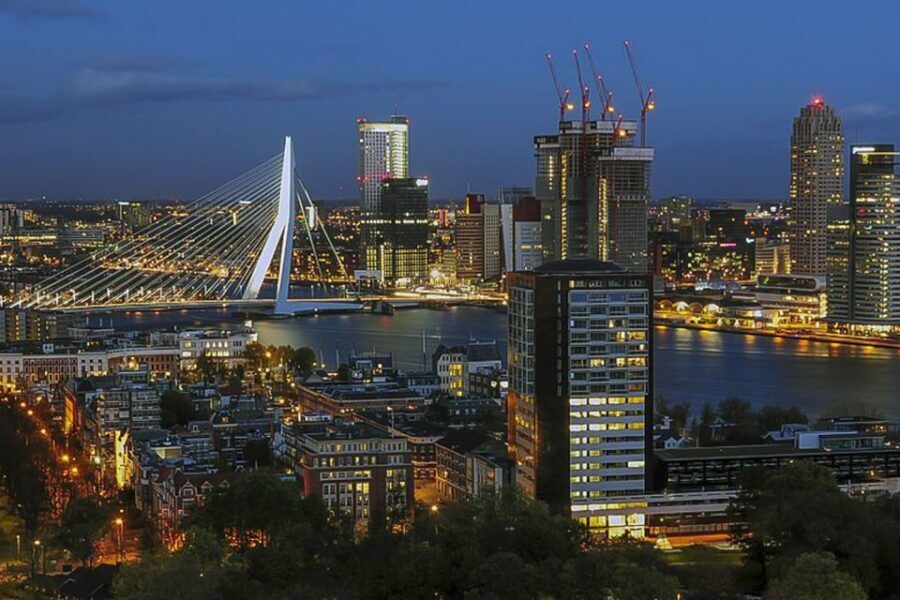
Finally, you reach Rotterdam, and the story turns from heritage to rebuilding. The tour frames Rotterdam as a daring modern architecture example, connected to the fact that the city faced extensive destruction during World War II and then had to rebuild intensely.
This is the section where architecture fans tend to brighten up. You’ll explore charming Rotterdam while your guide explains how the city’s modern look links to its reconstruction story. That “why” changes how you see buildings. Instead of just noticing bold forms, you understand why they emerged and what the city decided to do afterward.
Rotterdam also gives you variety after Delft and The Hague. Delft Blue is about tradition and craft. The Hague is about official landmarks and civic space. Rotterdam is about scale, engineering, and visible design choices that reflect a city willing to reinvent itself.
Practical consideration: Rotterdam walking can add up because you’ll likely be outside for the architecture viewing. Plan for wind and uneven sidewalks. Keep water accessible so you can stay comfortable while you look at details rather than rushing just to get back in the van.
At the end, your guide drives you back to your hotel or another desired location, which is a relief after a day like this. Long days feel better when you don’t have to wrestle with transit at the finish.





Price and logistics: does $589 per person feel worth it?
At $589 per person, this isn’t a budget outing. You’re paying for a bundle of convenience and attention: pickup and drop-off, private transportation, and a private guide for the whole day.
The value logic is simple. A day that hits Delft, The Hague, and Rotterdam in one go is exactly the kind of plan that gets messy with public transport—especially if you want your time spent looking, not transferring. With private transport and a guide, you can keep momentum and get explanations tied to each stop.
Still, you should be honest about your own travel style. If you love reading on your own and you’re comfortable with transit planning, you could do some of these sights independently. But if you want the day to feel like a connected story with someone handling the route and helping you interpret what you see, the pricing starts to make sense.
Also remember Madurodam has an extra €16.50 per person entrance. If you skip Madurodam, you’re reducing the “extras.” If you love it, that cost is part of the miniatures experience.
A good fit is when you’re booking this because you truly want the highlights covered without gaps—and you want to move through multiple cities without draining energy on logistics.
What makes a private guide matter on this route
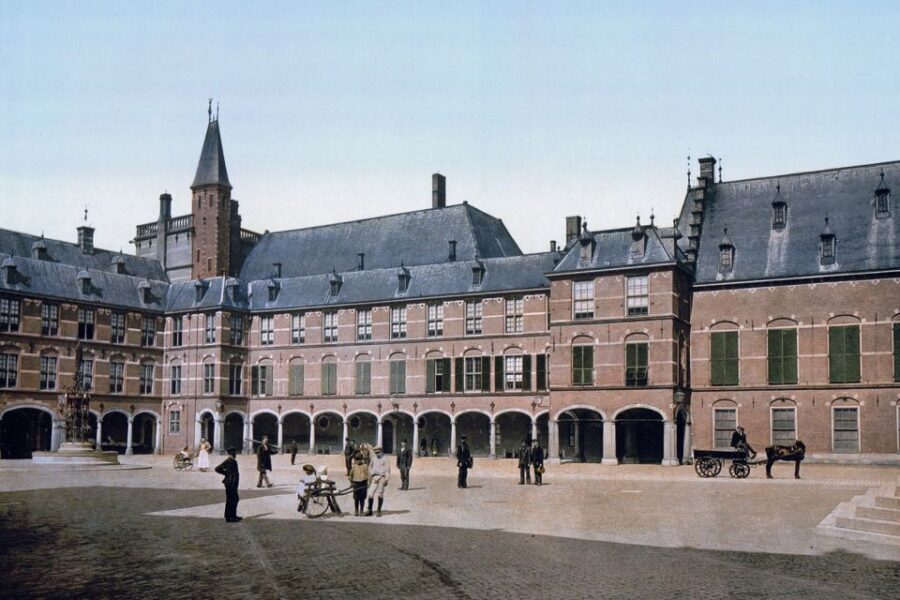
A day like this succeeds or fails based on the guide’s pacing and storytelling. The itinerary is packed with named places—Binnenhof, New Church, Royal Delft Museum, Rotterdam’s architecture—and a strong guide makes those names feel like a coherent walk.
In particular, I like when a guide handles two jobs well:
- Explaining what you’re looking at, not just listing stops.
- Managing the flow, so you’re not stuck waiting or missing the best moments.
You’ll see examples of that kind of guiding energy reflected in comments about guides like Luba, who offered high-effort, detailed explanations, and Mr Bram, who put attention into how the route is handled through lanes and side streets. That matters because the cities aren’t just “attractions in a row.” You need context as you walk between them.
This is also where private format helps. You can ask questions as you go. You can adjust a little, based on what you enjoy—Delft Blue craft focus, political landmarks in The Hague, or modern architecture in Rotterdam.
What to bring and how to pace yourself for 10 hours
This is a walking-plus-riding day, so bring the basics and you’ll feel better the whole way through. The tour suggests comfortable shoes, water, and weather-appropriate clothing, and I agree with all three.
If you’re visiting in changeable weather, layer up. Even on a mild day, parks and open areas can feel cooler than inside spaces. Water matters because you’ll want it during walking segments, not just in the van.
For pacing, think like this: you don’t need to sprint between landmarks. You do want to look slowly at one or two details per stop—church features in The Hague, pottery details in Delft, and a few architectural elements in Rotterdam. That’s how a packed day still feels personal.
And if you’re the type who gets tired from constant “go, go,” tell your guide at the start. A private guide can usually shift the tone a bit without breaking the schedule.
Who should book this private day tour
I’d recommend this tour if you want:
- A private guide for a full-day route across South Holland
- A balanced mix of landmarks (The Hague), craft (Delft), and architecture (Rotterdam)
- Convenience: pickup and drop-off plus private transportation
- The option to add Madurodam if you like miniatures
It’s also a good choice for first-timers to the region who don’t want to guess what’s most worth seeing. If you’re traveling as a small group or as a solo traveler who values guidance, the private structure tends to feel like a strong trade: cost for time saved and a cleaner experience.
If you dislike long days or you want a highly self-directed schedule, this might feel too structured. In that case, you may prefer splitting it into two shorter days so you can breathe.
Should you book the Amsterdam to The Hague, Delft and Rotterdam private day tour?
I’d book it if your goal is a one-day hit of South Holland highlights with explanations that connect the dots. The Delft Blue focus plus the Binnenhof/New Church landmark pairing in The Hague, then the shift to Rotterdam’s modern rebuilding story, makes a lot of sense as a travel arc.
Skip the tour only if you’re on a strict budget or you hate the idea of spending a big chunk of your day in transit. At $589 per person, you want to be sure you’ll actually use the private guide time well—and you will, if you care about understanding what you’re seeing.
FAQ
How long is the Amsterdam: The Hague, Delft and Rotterdam Private Day Tour?
The tour runs for 10 hours.
Is this a private tour or shared group?
It’s a private group with a private guide and private transportation.
What’s included in the tour price?
The package includes pick-up and drop-off, private transportation, and a private guide.
Do I have to pay for Madurodam separately?
Madurodam entrance is €16.50 per person, so you should plan for that extra cost if you want to go.
What languages are the live guides available in?
The live tour guide is available in German, Dutch, and English.
Is free cancellation available?
Yes, you can cancel up to 24 hours in advance for a full refund.
What should I bring for the day?
Bring comfortable shoes, water, and weather-appropriate clothing.