REVIEW · MAASTRICHT
Maastricht: Fort St Pieter Guided Tour
Book on GetYourGuide →Operated by Explore Maastricht · Bookable on GetYourGuide
Fort St Pieter puts Maastricht in defense mode. One hour is enough to see the galleries, bombproof areas, and the cannon gallery—and then look out over the city and the Meuse River.
I especially like the up-close fort details: the well, embrasures, and the underground tunnels are the kind of things you can’t get from a postcard. I also love the views from the fort’s height, where the city, river bends, and surrounding countryside all make sense in one glance.
One thing to plan for: you’ll need to climb stairs, and the tour isn’t suitable for wheelchair users or people with mobility impairments.
In This Review
- Key Highlights You’ll Actually Notice
- Why Fort Sint Pieter Still Feels Alive Above the Meuse
- Meeting at Fort Sint Pieter and Timing That Keeps It Smooth
- The Main Galleries: Where the Fort Explains Itself
- Circular Galleries: Small Shifts That Make the Space Feel Purpose-Built
- Bombproof Areas and the Cannon Gallery: The Defensive Core
- The Well, Embrasures, and Underground Tunnels You Can’t Fake
- The Outside View: Maastricht, the Meuse, and Countryside in One Look
- Language, Guide Style, and One Quick Reality Check
- Price and Value: What $12 Buys in Real Experience
- Who Should Book This Fort Tour (and Who Should Rethink It)
- Should You Book Fort St Pieter?
- FAQ
- Where is the meeting point for the Fort St Pieter tour?
- How long is the guided tour at Fort Sint Pieter?
- How much does the Fort St Pieter guided tour cost?
- What will I see during the tour?
- Which languages are available for the live guide?
- Do I need to be able to climb stairs?
- Is this tour suitable for wheelchair users or people with mobility impairments?
- Are pets allowed on the tour?
- What if I arrive late?
Key Highlights You’ll Actually Notice
- Panoramic views over Maastricht and the Meuse from a high perch on the south side of town
- Main galleries, circular galleries, and defensive spaces kept largely intact from around 1700
- Bombproof areas and the cannon gallery that turn “old walls” into a working system
- A well, embrasures, and underground tunnels that give you physical, memorable details
- A tight 1-hour guided route led in English, German, or Dutch
Why Fort Sint Pieter Still Feels Alive Above the Meuse
Fort Sint Pieter sits high above Maastricht on the south side, with the Meuse River running below like a natural defense line. That location matters. It’s not just a pretty spot; it’s the reason this place was worth building in the first place.
The fort dates to around 1700 and is still largely intact, with some parts recently restored. In a short tour, that’s a big deal: you’re not just looking at ruins. You’re walking through spaces that still read like a fort.
Even if you don’t consider yourself a history person, the setting does half the work. After a few minutes inside, the outside view snaps into focus—city streets below, river traffic in your imagination, and the countryside spreading out beyond.
You can also read our reviews of more guided tours in Maastricht
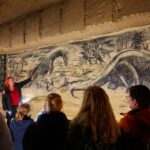

Meeting at Fort Sint Pieter and Timing That Keeps It Smooth
You meet next to Fort Sint Pieter at Luikerweg 80. Arrive at least 10 minutes early. Tours start exactly on time, and late arrivals won’t be waited for—if you miss the start, you’ll miss the tour and lose your ticket.
This kind of timing isn’t just “rule-following.” A fort tour has narrow paths, stair sections, and indoor stops that take real time to explain. Starting on schedule helps everyone move at the same pace and keeps the guide from rushing the story.
Bring your e-ticket and have your QR code ready for scanning. Also, plan on doing some stairs. The terrain is part of the experience, but it’s not a gentle walk.
The Main Galleries: Where the Fort Explains Itself
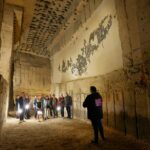
Your guided route starts with the fort’s galleries—long, structured corridors designed for movement and control. The main galleries give you the clearest first map of the fort: where people would move, where sightlines might be, and how different areas connect.
This is where I like the most guided context. Left alone, a visitor might think it’s just a maze of stone. With the guide’s explanations, you start to notice patterns—transitions between areas, and why certain openings and sections exist.
You’ll also pick up the language of fort design as you go. Words like embrasures start to feel practical, not technical. Even in a 1-hour tour, the guide makes these terms click to what you’re seeing.
Circular Galleries: Small Shifts That Make the Space Feel Purpose-Built
Next come the circular galleries, which change the feel of the tour. Straight corridors can be disorienting in a way that makes everything blur together. Curving spaces slow you down and help your brain build a sense of geometry.
Circular areas also help you understand how a defensive site thinks in terms of coverage and movement. I find these sections are where you notice details you’d otherwise walk past—corners where views shift, and openings where you can see the intent of the design.
If you’re the kind of person who likes “why is this here?” questions, circular galleries are a strong stop. The fort stops being abstract and starts behaving like a system.
Bombproof Areas and the Cannon Gallery: The Defensive Core
Now you reach the fort’s bombproof areas. These spaces are the defensive heart of what you’re touring. They exist for a reason—protection, survival, and continued function during an attack—and the guide’s stories bring that purpose into focus.
The bombproof areas are also where you’ll get the best sense of scale. It’s one thing to see a fort from the outside. It’s another to experience how enclosed the defensive parts are and how the site would have managed dangerous moments.
Then you move toward the cannon gallery. This is the point where the tour shifts from “rooms and tunnels” to “field and range.” You’ll see how the fort connected its internal spaces to where force would be applied.
And yes, it’s impressive to look at the structure itself. But what makes it more satisfying is that you can connect it to the view and the direction outside—your brain finally links the interior to the world beyond the walls.



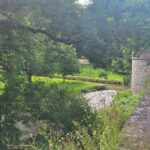

The Well, Embrasures, and Underground Tunnels You Can’t Fake
A standout part of the tour is the set of details that feel hands-on: the fort’s well, the embrasures, and its underground tunnels.
The well is the kind of feature that instantly makes a fort feel real. It’s a reminder that survival isn’t only about fighting. You need water. You need function. That one element helps you understand the fort as a place where people had to endure.
Embrasures add another layer. Without explanations, they might look like openings or structural quirks. With the guide, you start to see them as purposeful: designed for observation and defense while maintaining cover.
The underground tunnels are where the tour turns memorable. Tunnels change how you experience the fort—you feel the shift from open air to hidden passage. Even in a short 1-hour visit, these sections give you that “wait, this is under here?” reaction that makes the whole tour stick.
The Outside View: Maastricht, the Meuse, and Countryside in One Look
When you step back outside, the scenery pays you back. The fort sits high above Maastricht, with the city and the Meuse River spreading out below. On a clear day, the view is the kind you can’t replace with photos taken at street level.
What I like is the way the view helps you understand what you just walked through. Defensive buildings weren’t random. They were positioned to see, control, and protect. Looking down while the guide ties the interior back to the exterior gives the tour a satisfying loop.
You’ll also see the surrounding countryside. That broader perspective matters too. A fort isn’t only about the city edge—it’s also about the approach routes around it, and the space between settlements.
Language, Guide Style, and One Quick Reality Check
The tour is offered with a live guide in English, German, or Dutch. That’s great because it helps you match the stories to your comfort level, and forts are easier to enjoy when you catch the key points without effort.
One practical reality check: if you book in Dutch, double-check the language you’ll actually receive when you scan in. I saw one booking note where the guide’s explanations didn’t match the reserved language choice. It ended with a friendly guide, but it was still a disappointment for that guest.
So: if language matters to you, pay attention before you start. It’s not about being picky—it’s about getting the most from the details.
Price and Value: What $12 Buys in Real Experience
At $12 per person for a 1-hour guided tour, this is strong value—especially if you like history that’s tangible. You’re not paying for a long bus ride or a multi-stop day. You’re paying for a compact, high-impact experience inside a largely intact fort plus a serious view.
The value isn’t only the price tag. It’s what’s included: main galleries, circular galleries, bombproof areas, and the cannon gallery, plus the well, embrasures, and underground tunnels. Those are exactly the kinds of features that cost more time and effort to understand on your own.
If you’re doing Maastricht as a day trip or you only have a small window, this tour fits cleanly. One hour is also the right length for a fort: long enough to feel like you saw the essentials, not so long that the experience drags.
Who Should Book This Fort Tour (and Who Should Rethink It)
This tour makes sense if you enjoy structured site visits. It’s especially good for people who like hands-on details—wells, embrasures, and tunnels—and for anyone who appreciates a guided explanation in a small time block.
You’ll likely enjoy it most if you want a serious look at fort design without turning it into a full-day research project. The views also make it feel like more than a museum stop.
But be honest about the physical side. You need to be able to climb stairs, and it isn’t suitable for wheelchair users or people with mobility impairments. If that’s you, skip this one and look for an alternative Maastricht experience that matches your access needs.
Should You Book Fort St Pieter?
If you want a quick, high-value fort experience with fortification details and a strong payoff view, I’d book it. The price is low for what you see and the timing keeps the tour focused on the best areas: galleries, bombproof spaces, the cannon gallery, and those memorable interior features like the well, embrasures, and tunnels.
I’d also book it if you’re the type who likes learning while walking—because this fort really is easier to understand with a guide. Just plan ahead: arrive on time, bring your QR code, and choose your tour language carefully.
If stairs are a problem, don’t force it. The tour is short, but the fort isn’t step-free, and that matters more than any discount.
FAQ
Where is the meeting point for the Fort St Pieter tour?
The meeting point is next to Fort Sint Pieter at Luikerweg 80.
How long is the guided tour at Fort Sint Pieter?
The tour lasts 1 hour.
How much does the Fort St Pieter guided tour cost?
The price is $12 per person.
What will I see during the tour?
You’ll visit main galleries and circular galleries, bombproof areas, the well, embrasures, and the cannon gallery, plus you’ll hear stories and facts from the guide.
Which languages are available for the live guide?
The guide is available in English, German, and Dutch.
Do I need to be able to climb stairs?
Yes. You need to be able to climb stairs for this tour.
Is this tour suitable for wheelchair users or people with mobility impairments?
No. It is not suitable for people with mobility impairments or wheelchair users.
Are pets allowed on the tour?
Pets are not allowed, though assistance dogs are allowed.
What if I arrive late?
Tours start exactly on time, and you will not be waited for. If you arrive late, you may miss the tour and lose your ticket.