You can get the real Amsterdam feeling fast. This private, custom walking tour is built around a local guide showing you North, West, East, and the Canal District in a route you can shape to your interests.
What I like most: you’re not stuck on a one-size-fits-all loop, and the pacing lets you actually look—especially during the calm stroll along the Noordhollandsch Canal.
One thing to keep in mind: you’ll cover a lot, but how relaxed it feels depends on whether you book a shorter or longer option. There’s also no guarantee every guide will hit every stop the same way, so I’d go in with clear priorities and a willingness to adjust on the day.
In This Review
- Key things to know before you go
- Entering the city with a local who plans with you
- Choosing your hours: 3, 4, 6, or 8 (and why it matters)
- Getting picked up in central Amsterdam (and starting with less hassle)
- Noordhollandsch Canal and Amsterdam-Noord’s modern edge
- Amsterdam-West and the market double bill: Ten Katemarkt plus De Hallen
- Medieval city center vibes: National Monument, Dam Square, and Westerkerk
- Jordaan and De 9 Straatjes: micro-neighborhoods with personality
- De Pijp’s canal life: bars, bistros, and café energy
- Amsterdam-East: cobblestones, Turkish bakeries area, and Dappermarkt
- The guide factor: what the best hosts do differently
- Price check: what $71 per person really buys you
- Who should book this tour, and who should think twice
- Should you book this private Amsterdam tour?
- FAQ
- How long is the private Amsterdam tour?
- Is this tour private or a group tour?
- Which parts of Amsterdam will I visit?
- Where will the guide meet me?
- Are food and entry tickets included?
- What languages does the guide speak, and is it wheelchair accessible?
Key things to know before you go
- Custom routing with a local host: your plan adjusts to your time and preferences
- Amsterdam-Noord’s different vibe: parks, villages, the Eye Film Museum area, and NDSM Werf
- Canals plus a working-history moment: a possible stop at d’Admiraal Windmill by the canal
- Markets that feel like daily life: Ten Katemarkt and De Hallen for snacks and local rhythms
- Big sights with context: National Monument, Dam Square, and Westerkerk in one flow
- Neighborhood hopping that makes sense: Jordaan, De 9 Straatjes, De Pijp, and Amsterdam-East
Entering the city with a local who plans with you

This is the kind of Amsterdam tour that helps you get your bearings without killing your day with buses and crowds. You’re paired with a local host who builds a walking route around the hours you booked and what you care about—history, food, canals, modern culture, or a mix.
You start with familiar landmarks like Dam Square and the National Monument, but the real value is what happens in between: quieter streets, market corners, and neighborhood details that you’d miss if you’re just following a list of must-sees. And because it’s private, the guide can slow down when something catches your eye, or shift gears if you’d rather spend time on a market than another photo stop.
I also like the way the experience is set up to fit real travel days. If you want a “we just arrived and need a sense of the city” style morning, it works. If you want a “show me where locals actually eat and shop” afternoon, it also works.
You can also read our reviews of more private tours in Amsterdam



Choosing your hours: 3, 4, 6, or 8 (and why it matters)
The tour offer lists multiple lengths—3, 4, 6, or 8 hours—and the platform indicates availability in a 2–5 hour window for starting times. In practice, the shorter options are best when you want a concentrated hits tour. Longer options are for people who like strolling, snacking, and asking questions.
Here’s how I’d think about the decision:
- 3 to 4 hours: best for first-day orientation plus a couple of neighborhood stops. Expect a tighter route and fewer “linger” moments.
- 6 hours: a sweet spot for combining highlights with at least one market and multiple neighborhoods without feeling like you’re rushing.
- 8 hours: ideal if you want deeper neighborhood flow (like more time in De Pijp or Amsterdam-East) and you like to stop for coffee or a proper wander.
One review I came across mentioned a 6-hour experience could have been done in 4 if you were moving briskly. That’s a good reminder: the time you book is only part of the equation. A patient pace makes the tour feel richer, but it also means you may not cover as many areas as you’d expect.
Getting picked up in central Amsterdam (and starting with less hassle)

A small thing that matters: you get pickup in central Amsterdam. The host will meet you at any location in the center of the city. If you’re staying in the center, meeting at your hotel is included. You confirm your requested pickup spot ahead of time.
Why this is useful: Amsterdam’s charm is also its complexity. If you’re juggling bags, early reservations, or you’re still learning transit habits, a met-at-your-door start is one less stress point.
Noordhollandsch Canal and Amsterdam-Noord’s modern edge
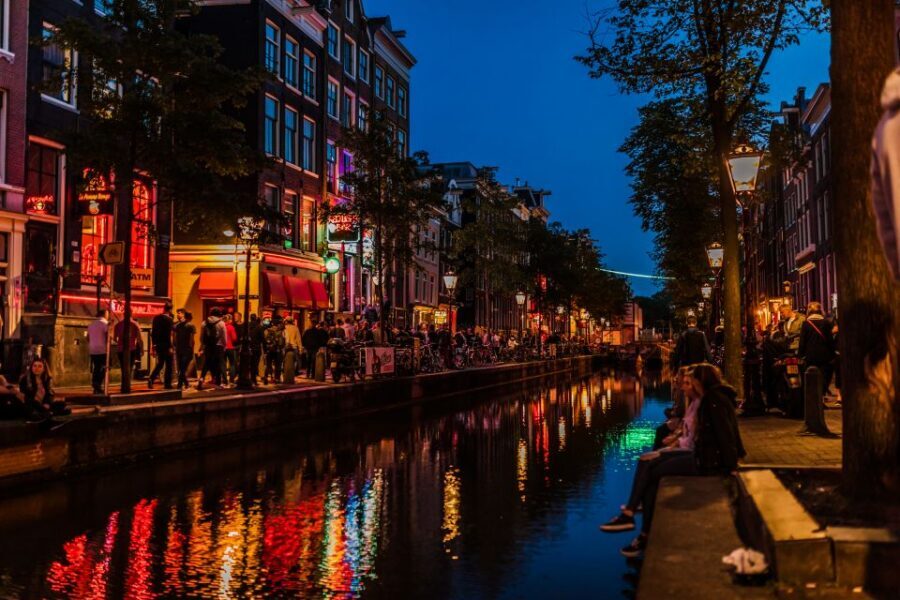
Amsterdam-Noord is not what most people picture when they think Amsterdam. It has wide green space and a more relaxed, open feel, with contemporary culture mixed into everyday life. On this tour, that’s where you get a break from the classic postcard streets.
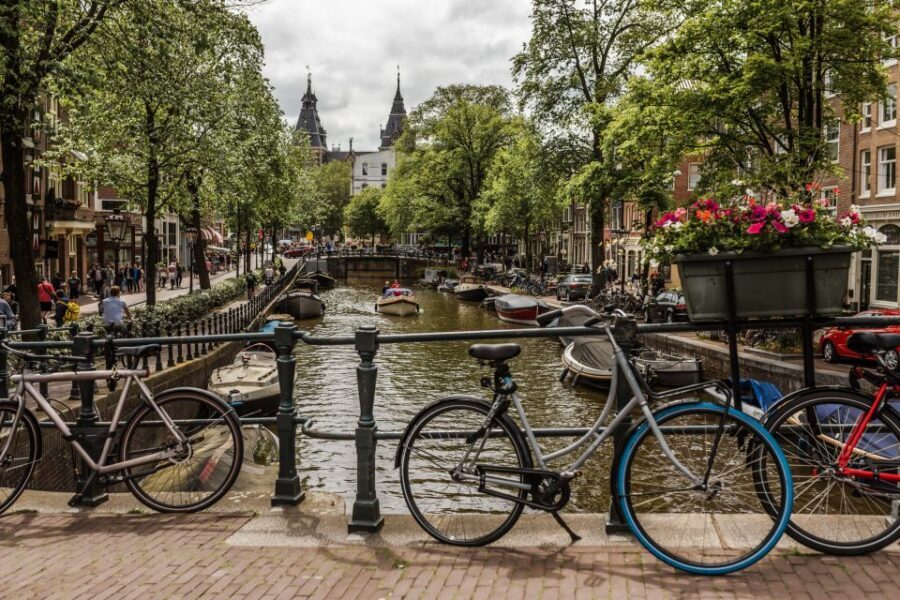
You may see the Eye Film Museum area, plus NDSM Werf—known for a shipping-yard past that’s now a creative hub with an urban skate-park vibe. You also get the chance to wander near the Noordhollandsch Canal, where the mood changes. The walking here tends to feel slower and calmer, and the scenery helps you reset before the busier central neighborhoods.
If your guide builds it in, you might stop near d’Admiraal Windmill, a smock windmill by the canal built in 1792. It’s one of those “history with a view” moments that doesn’t feel like a museum stop. It’s also a great checkpoint for photos and a short break.
A practical note: Noord can mean more steps than you expect, especially if you tack on market time later in the day. Wear shoes that handle uneven sidewalk patches and keep your energy for the longer strolls.
Amsterdam-West and the market double bill: Ten Katemarkt plus De Hallen
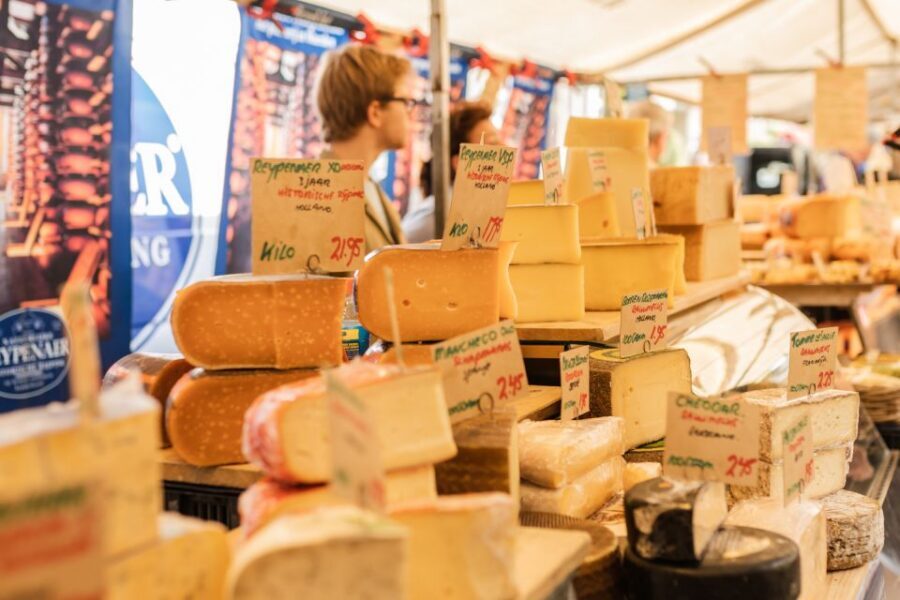
Markets are where you learn how a city eats, shops, and talks to itself. This tour leans into that with two stops that feel different on purpose.
Ten Katemarkt is a local favorite tucked away in a residential neighborhood. That matters because it’s not built to entertain visitors. You’ll get a more everyday vibe—think browsing, chatting, and picking up ingredients and snacks that fit a normal routine.
Then the tour shifts to De Hallen, an indoor street food spot in a converted industrial building. The atmosphere is lively but still walk-friendly since you’re under one roof. This stop is great if you want variety without committing to one single meal. It’s also helpful when the weather changes—Amsterdam does like surprises.
What makes this market pairing valuable: you get contrast. Ten Katemarkt shows the quieter “locals doing their thing” side. De Hallen shows how Amsterdam reuses old industrial bones for modern food culture.




Medieval city center vibes: National Monument, Dam Square, and Westerkerk
After markets, the tour pulls you toward the bigger landmarks. You’ll see the National Monument and iconic central points like Dam Square. These aren’t just “look at this building” stops. On a guided walk, they make sense in relation to the streets around them—how the city grew, where people gathered, and why these places remain important.
You may also spot Westerkerk, a 400-year-old landmark. It’s one of those sights that feels grounded in time. Even if you’ve seen it in photos, standing near it while walking helps you understand scale and setting.
One drawback to expect: this part can be busy. If you prefer calm, you’ll want a guide who knows where to pause and where to keep moving. That’s also why a private format helps—you can control how long you spend in the busiest pockets.
Jordaan and De 9 Straatjes: micro-neighborhoods with personality

Jordaan is one of the most distinctive areas in central Amsterdam. It has a creative, slightly artsy reputation, but what matters on foot is the street rhythm—canal views, side streets, and a sense of walking through a series of small worlds.
The tour can include the Jordaan district and nearby De 9 Straatjes (the “9 Streets”), which connects around the city’s main waterways and is packed with boutiques and niche outlets. Even if you’re not shopping, it’s a fun place to browse slowly because each street has its own feel.
This is also where the tour’s custom flexibility pays off. If you love design, you’ll want more time here. If you’d rather shift to food and cafés, your guide can steer your walk accordingly.
De Pijp’s canal life: bars, bistros, and café energy
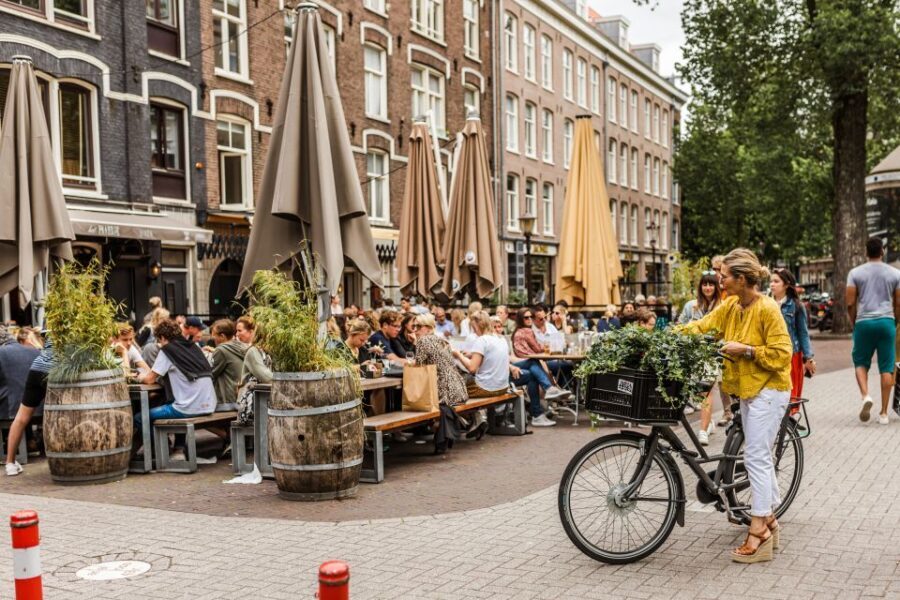
Next is De Pijp, a neighborhood known for diverse flavors and a social street vibe. On this part of the tour, I’d expect more conversation, more people-watching, and more chances to try something you’d never pick from a guidebook.
De Pijp sits along peaceful canals, and the balance here is the key: the atmosphere feels lively without being chaotic the way some tourist-heavy areas can. It’s a good neighborhood to slow down because the street layout invites you to wander in small loops.
If you’ve got food curiosity, this is a strong section to ask your host for ideas. The tour includes tips and recommendations for the rest of your stay, and a local guide is the difference between random suggestions and genuinely practical ones.
Amsterdam-East: cobblestones, Turkish bakeries area, and Dappermarkt
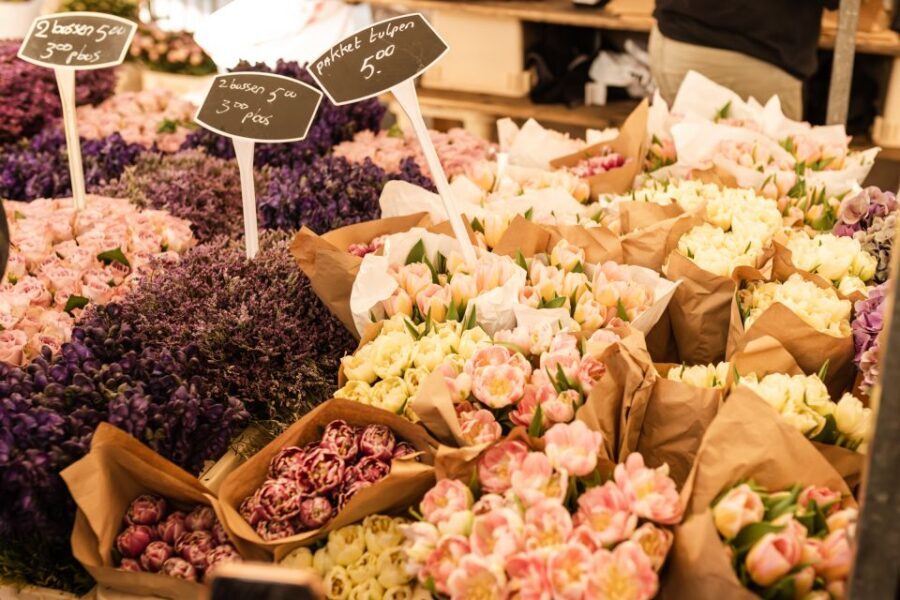
Amsterdam-East is where the tour gets especially fun for people who like lived-in neighborhoods. The walking focuses on Javastraat, a cobbled street with a mix of cultures and day-to-day city life.
On this route, you might see lively stops like Bar Basquiat and Bar Bukowski. The point isn’t just the bars—it’s the street setting, where you can sense how local culture shows up in everyday choices, from snacks to evening hangs.
And then there’s Dappermarkt, one of the busiest markets in Amsterdam. This is the kind of place where you’ll understand why markets matter: it’s not just shopping, it’s community flow. If you want a “last stop before dinner” vibe, Dappermarkt is a strong candidate.
For me, the key advantage of the East on a guided walk is that you’re not treating it like an extra. You’re treating it as a main character. You get the cobblestone street experience plus the market energy in a single connected path.
The guide factor: what the best hosts do differently
This tour lives or dies on the guide quality, and the good news is that the program is designed to pair you with someone passionate about their city. Some named guides from past experiences include Wendy, Lawrence, and Esther.
What stands out from their kind of guiding (and what you can aim for): clearer context, better pacing, and more useful local food and culture suggestions. One experience credited a guide with being especially informative, and another highlighted a guide’s ability to share perspectives that go beyond the usual script.
Now the balanced part: at least one account flagged that a guide didn’t seem fully prepared, leading to missed targets and a slightly chaotic feel. That doesn’t mean the tour is unreliable—it means you should do your part: tell your host what you want to see most, and be ready to adjust if priorities shift on the day.
If you’re anxious about a fixed route, that’s actually another reason to do this private format. You’re not trapped—you’re negotiating a walk with someone who can shape it.
Price check: what $71 per person really buys you
$71 per person isn’t cheap for a walking tour, so you should judge it against what you’d otherwise pay for:
- A private local host (not a group shuffle)
- A route that can cover multiple neighborhoods without you planning every turn
- Market time plus big landmarks
- Tips for the rest of your stay, not just sightseeing during the walk
If your alternative is a self-guided day, you save the money but you pay it back in time and guesswork. Amsterdam is full of interesting streets, but knowing which streets match your style is the hard part. A good guide compresses that learning curve.
Where the price might not feel worth it: if you book a shorter duration and expect a long list of stops, or if you don’t communicate your preferences. The value shows up when the guide can tailor the walk.
So my advice is simple: if you care about markets, neighborhoods, and learning the story behind what you see, the $71 price can make sense. If you mainly want a quick “tick off the photos” session, you may be happier with a cheaper option.
Who should book this tour, and who should think twice
I’d steer you toward this experience if you:
- want a private intro to Amsterdam that covers more than just the center
- like neighborhood variety, from North to Jordaan to De Pijp to the East
- enjoy walking with purpose, especially around canals and markets
- want local recommendations you can use immediately
I’d think twice if you:
- hate walking (this is a walking tour, and the neighborhoods are spread out)
- want everything to feel tightly scheduled with no flexibility
- plan to rely on included food or attraction tickets (those aren’t included)
For couples, solo travelers, and small groups who want a custom feel, it’s a strong fit. For people who want minimal walking and zero decision-making, you’ll have to plan your expectations carefully.
Should you book this private Amsterdam tour?
Yes, if you want a local-first day and you’re okay paying for the convenience of private planning. The best part is how the route connects big landmarks with neighborhood life—canals and windmills in Noord, market culture in West, and real street energy in De Pijp and Amsterdam-East.
If you book, do two things to get better value:
1) Tell your guide what you care about before you meet, so they build the route around you.
2) Choose your hours based on how you actually like to travel—short for focus, longer for wandering and asking questions.
If you’re the type who wants Amsterdam to feel personal, this is one of the better ways to make that happen.
FAQ
How long is the private Amsterdam tour?
The experience is offered in several lengths (3, 4, 6, or 8 hours), and availability shows starting times within a 2–5 hour window.
Is this tour private or a group tour?
It’s a private group tour, so you’ll go with your own party rather than sharing with strangers.
Which parts of Amsterdam will I visit?
The route can include Amsterdam-Noord, Amsterdam-West (including the medieval city center), the Jordaan area and De 9 Straatjes, De Pijp, and Amsterdam-East, with stops that may include markets like Ten Katemarkt and De Hallen and areas like Javastraat and Dappermarkt.
Where will the guide meet me?
Pickup is included: the host will meet you at any location in central Amsterdam. If you’re staying in the center, they can meet you at your hotel, and you confirm your requested meeting location beforehand.
Are food and entry tickets included?
Food and drinks are not included, and entry tickets to attractions are not included either.
What languages does the guide speak, and is it wheelchair accessible?
The tour is conducted in Dutch and English, and it’s listed as wheelchair accessible.