REVIEW · AMSTERDAM
Amsterdam: 2-hour Rembrandt & Van Gogh walking tour
Book on GetYourGuide →Operated by Guidance Travel · Bookable on GetYourGuide
Rembrandt and Van Gogh in just two hours is a smart move. This walk turns Amsterdam streets into a quick art-history story, with major painters and the places that shaped their work. I like that it’s practical, not museum-only, so you get meaning before you buy tickets anywhere else.
Two things I really like: the Dutch Masters storytelling (Rembrandt, Van Gogh, and more) is tied to real locations, and the guide keeps it friendly enough for people who do not live and breathe art. The photo stops also help you remember the walk, not just the facts.
One thing to consider: this is mostly an outside-walking experience. Museum entrances are not included, so if you’re hoping to go inside major sites, you’ll need a separate plan afterward.
In This Review
- Key highlights you’ll actually feel
- Why a 2-hour Dutch Masters walk is a great Amsterdam “first art day”
- Meeting at Prins Hendrikkade 95: how to find your guide fast
- Nieuwmarkt Square to Het Trippenhuis: getting the setting right
- Zuiderkerk and Rembrandthuis: where the Nightwatch story clicks
- Staalmeestersbrug and the Monet bridge moment: canals as an art classroom
- Oudemanhuispoort to Tivoli Doelen Hotel: stories between the big names
- Finishing at Blauwbrug: a clean wrap and a strong last view
- How this tour sets you up for the Rijksmuseum afterward
- Price and pace: what $22 buys you (and what it doesn’t)
- Who should book this Rembrandt and Van Gogh walking tour
- One drawback to plan around
- Should you book? My practical take
- FAQ
- Where is the meeting point?
- How long is the Amsterdam Rembrandt and Van Gogh walking tour?
- How much does it cost?
- What language is the tour guide?
- Are museum entrance tickets included?
- Is the tour wheelchair accessible?
- Can I cancel for a refund?
- Is there a private group option?
Key highlights you’ll actually feel
- Nightwatch site context tied to Rembrandthuis, not just name-dropping
- Dutch Golden Age explanation that makes the painters’ success feel logical
- Canal bridge moments, including the stop linked to Monet’s Amsterdam painting
- A compact route that fits easily between museum days or canal time
- English guide storytelling, with examples that keep non-experts comfortable
Why a 2-hour Dutch Masters walk is a great Amsterdam “first art day”
Amsterdam can be overwhelming. You step out, and every corner has history, canals, and gabled buildings. This tour is built for that reality: two hours long, walkable, and focused on one theme, so your brain can relax into the story.
The value is not only that you hear about Rembrandt and Van Gogh. It’s that the tour gives you a way to read the city. You start looking at light, streets, and building styles like they connect to the artists’ world. That changes how you experience Amsterdam afterward, whether you head to a museum or just wander the canals again.
And the price helps. At $22 per person for a guided, English-language walk, you’re paying for focused attention and context. Museum tickets are not part of the deal, so you’re not getting charged for entry costs that you might or might not want. Instead, you’re buying time with a local who can connect the dots quickly.
You can also read our reviews of more walking tours in Amsterdam



Meeting at Prins Hendrikkade 95: how to find your guide fast
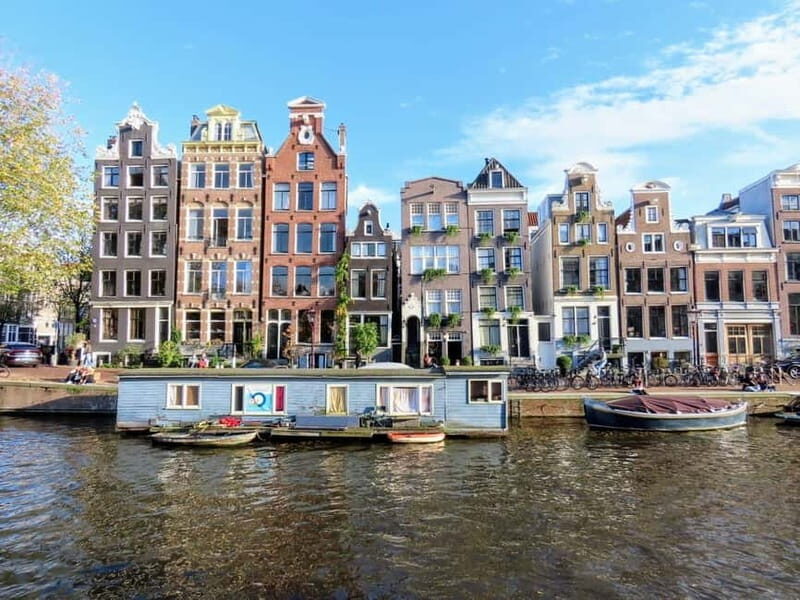
You’ll meet at Prins Hendrikkade 95, on the left side of Schreierstoren. Stand there facing Central Station with your back to it. Your guide will hold a sign that says Guidance.
This matters because Amsterdam can be tricky when you arrive hungry, slightly jet-lagged, and trying to find one specific corner. Knowing the exact reference point keeps the start smooth and keeps you from doing that awkward street-corner “are you with the tour?” dance.
The tour runs in English, and it’s also wheelchair accessible. That’s helpful if your travel group includes someone who needs a route with minimal fuss. If you’re thinking about a private group, that’s an option too.
Nieuwmarkt Square to Het Trippenhuis: getting the setting right
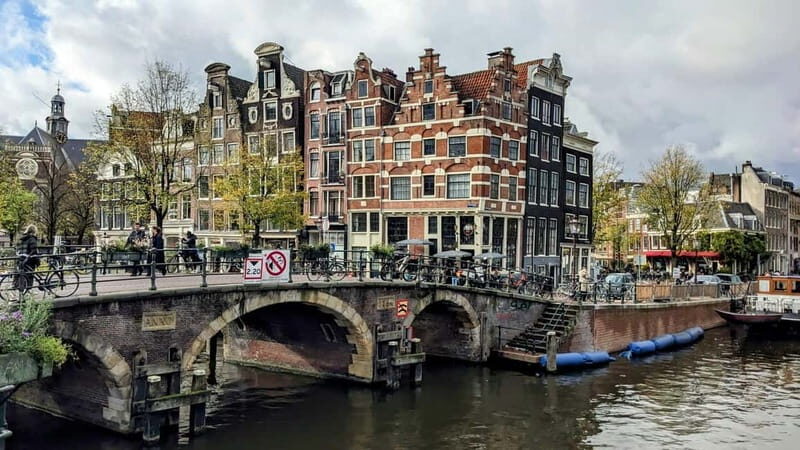
The walk starts with Nieuwmarkt Square. This is a good opener because it puts you in the middle of old Amsterdam energy without demanding museum time. You get to orient your senses: streets, canal-adjacent atmosphere, and the sense that this city grew in layers.
From there, the tour moves to Het Trippenhuis. This stop is valuable because it helps you understand why Dutch Masters mattered so much. The guide’s goal is to show how art wasn’t a separate hobby. In the Dutch Golden Age, art was tied to status, patronage, and city pride. When you hear that context early, later references to famous paintings land better.
If you’re the type who thinks art history is just dates and names, this is where the tone can shift. You start hearing why certain paintings were important, and why artists had reasons to focus on specific subjects and styles.
Zuiderkerk and Rembrandthuis: where the Nightwatch story clicks
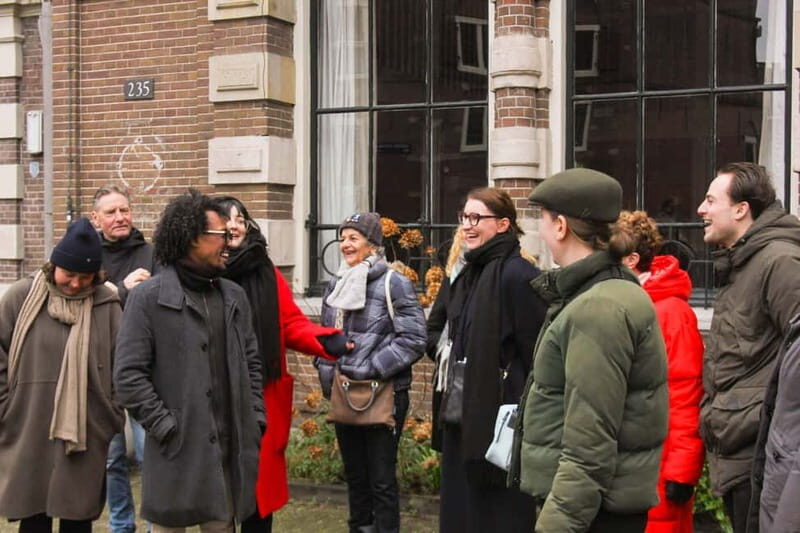
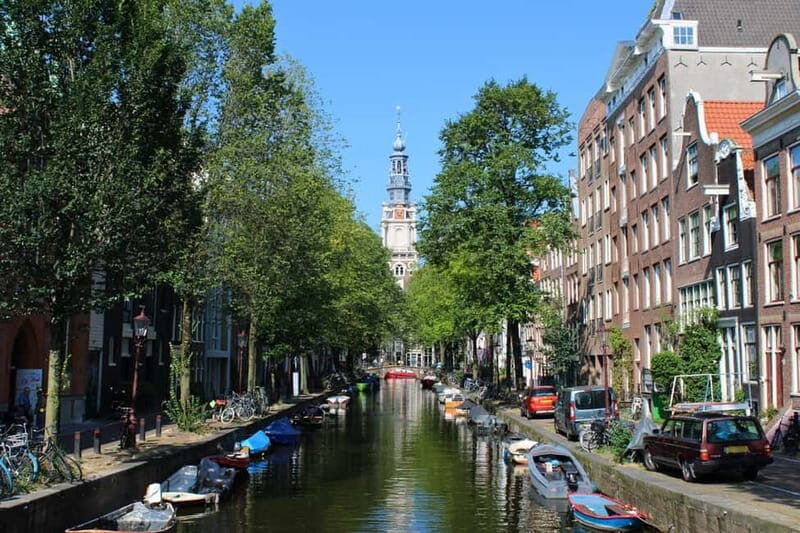
Next comes Zuiderkerk. Even if you’re not a church-architecture person, this stop is useful as a city anchor. It helps explain how Amsterdam’s public spaces and major landmarks fit into the same world as the painters. Art did not happen in isolation; it lived alongside civic life.
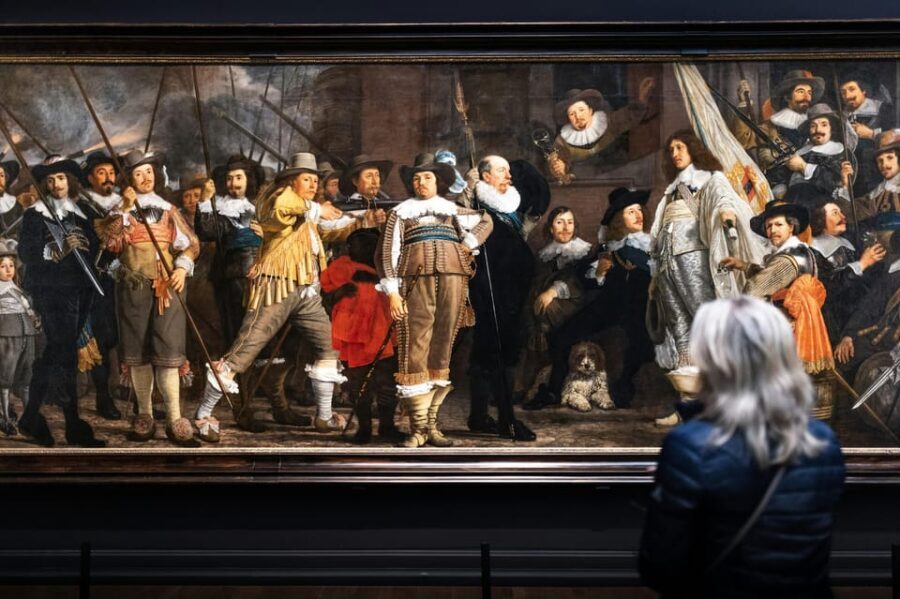
Then you reach museum Rembrandthuis. This is the big one. The tour is specifically set up to connect you with the story of Rembrandt and The Night Watch—including the location connection tied to where it was created. Since museum entrances are not included, you should expect this stop to be more about the place and the story than an inside visit.
That approach is honestly smart for a two-hour format. You get the meaning behind the artwork without spending your time in queues, ticket lines, and museum navigation. And once you’ve heard the Night Watch context from the street, you’ll be able to look at paintings later with more intention.
One practical note: this part of Amsterdam can mean standing and looking around in small bursts. Wear shoes you can stay comfortable in for the whole walk, not just the first ten minutes.
Staalmeestersbrug and the Monet bridge moment: canals as an art classroom
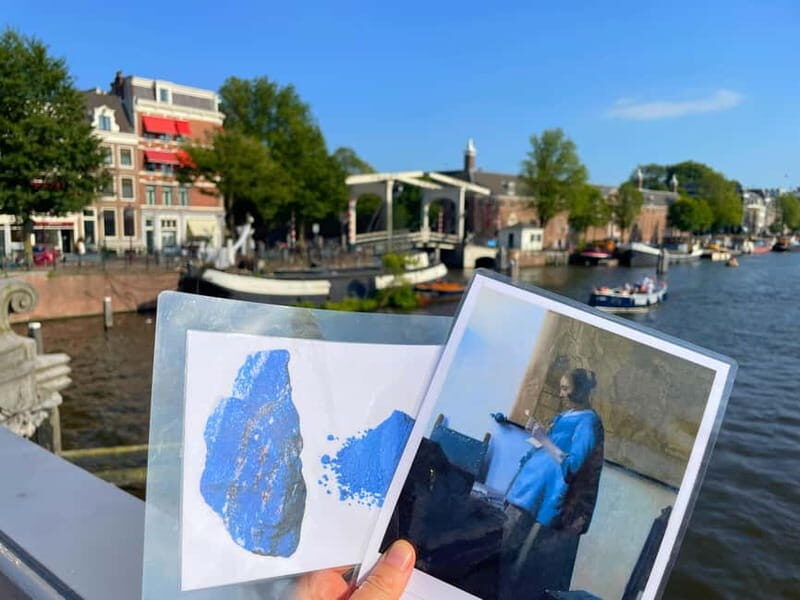
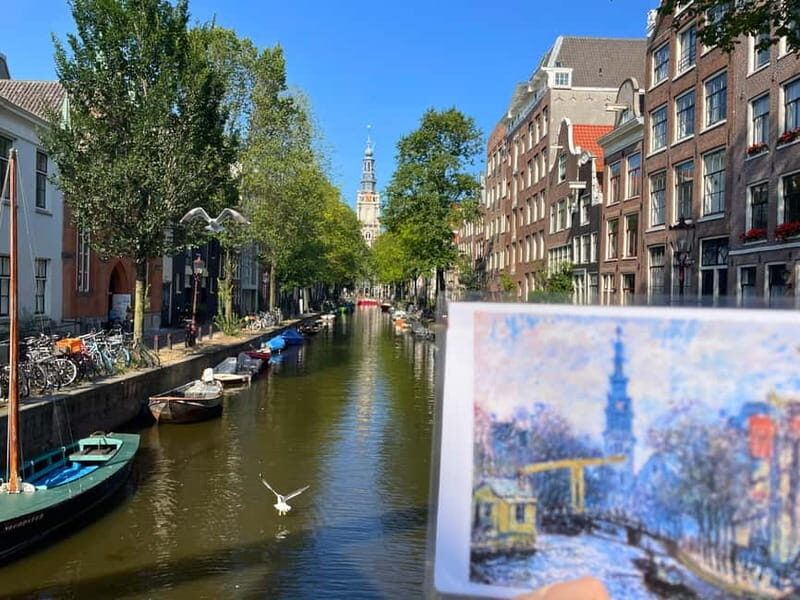
A big part of the tour’s appeal is the canal-side pacing. You stop at Staalmeestersbrug, Amsterdam, and the walk includes a bridge moment tied to Monet’s famous Amsterdam painting.
This is where you start seeing the city as artists saw it. A bridge is not just scenery. It frames movement across water, it shapes the way buildings reflect, and it creates a natural viewpoint. When your guide points out the connection between the canal scene and a specific painter’s work, the city stops being generic postcards and starts being a visual reference library.
Photo time is part of the plan. You’ll get chances to take pictures as you go, and you’ll likely find that having a guide’s angle helps you get better shots than trying to guess it yourself. Bonus: you also learn what to look for, so your photos become more than just proof you were there.
A few more Amsterdam tours and experiences worth a look



Oudemanhuispoort to Tivoli Doelen Hotel: stories between the big names
The route continues to Oudemanhuispoort. This stop is interesting because it feels like the city’s older bones. Even when the tour is focused on painters like Rembrandt and Van Gogh, it still uses Amsterdam’s physical layout to show how artists found daily inspiration in ordinary places.
Then you head toward Tivoli Doelen Amsterdam Hotel. This is a helpful reminder that Amsterdam’s art story is not frozen in the 1600s and 1800s. The city keeps transforming, and those transformations happen on top of earlier life. Your guide’s job here is to keep the thread: how Amsterdam’s culture supports artistic output over time.
By the time you’re in these middle sections, you’ll probably notice a pattern in how the guide talks. The stories aren’t only about genius. They’re about why the Netherlands produced so many major painters and what conditions made that possible. That kind of explanation is exactly what turns a sightseeing walk into something that teaches you how to think.
Finishing at Blauwbrug: a clean wrap and a strong last view
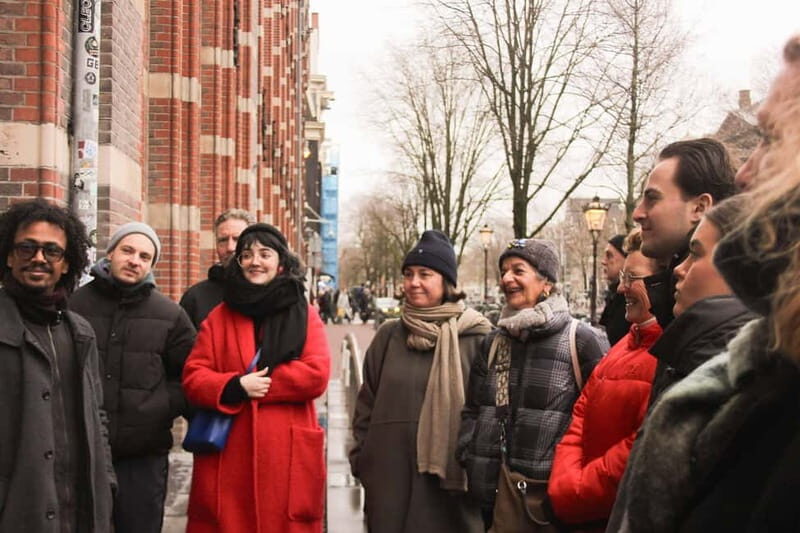
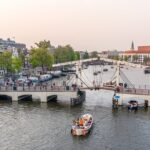
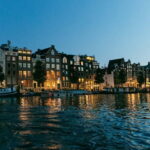
The tour ends at Blauwbrug. Ending at a bridge makes sense in Amsterdam. It’s an easy visual “wrap.” You get water, reflections, and a final sense of the city’s rhythm.
This is also a practical finish point. After you’re done, you’ll be in a good position to keep exploring without feeling like you need to retrace your steps immediately. If you’re planning the classic Amsterdam combo—walk now, museum later—that last canal view helps you shift from stories to observation.
How this tour sets you up for the Rijksmuseum afterward
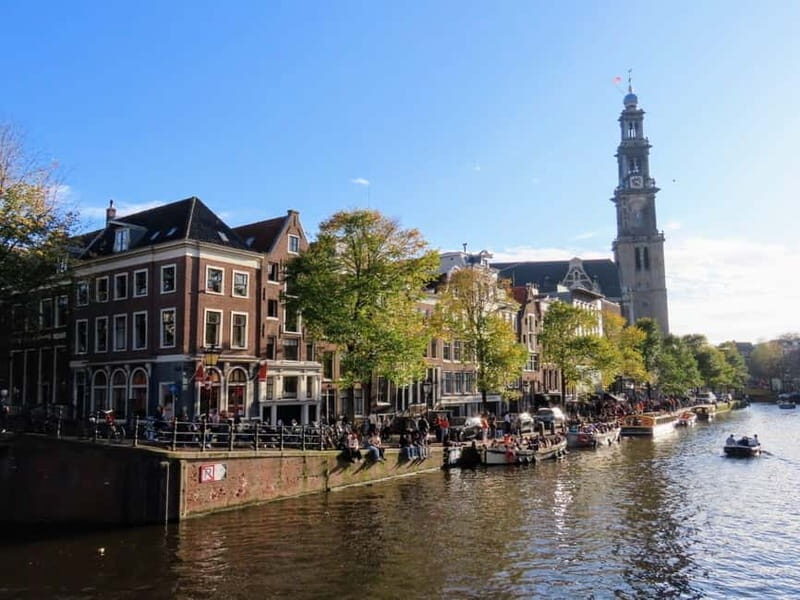
The tour is designed to be more than a standalone experience. If you’re visiting the Rijksmuseum after the walk, you’ll get more out of it.
Here’s why it works: you’re not just hearing that certain artists are famous. You’re getting the origin stories, the place connections, and the context for the Dutch Golden Age. That means when you later see a masterpiece, you’ll have hooks in your brain. You’ll be able to ask better questions while you look.
Also, the “no museum entrances” approach can be a relief. You can keep your day flexible. If your museum timing shifts, the tour still gives you something complete: context, not chores.
Price and pace: what $22 buys you (and what it doesn’t)
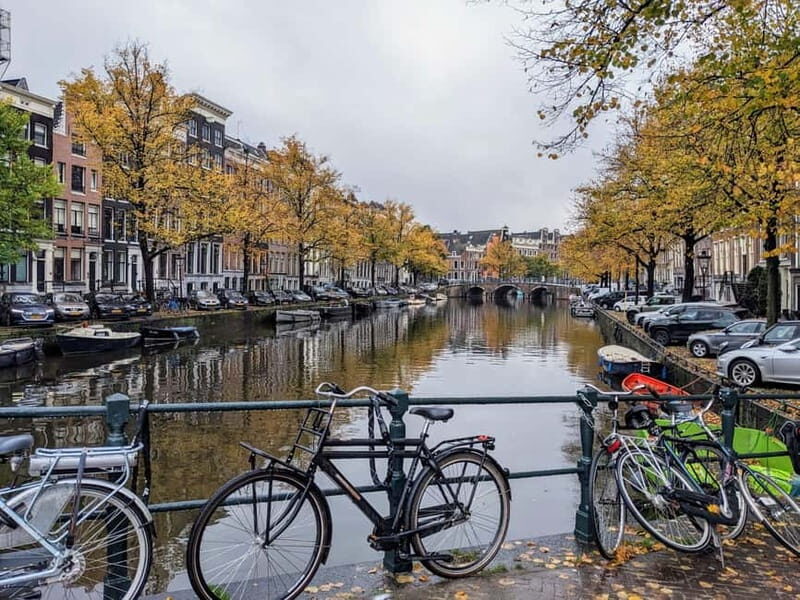
At $22 per person, you’re paying for:
- an English live guide
- a two-hour walking route
- a concentrated focus on Dutch Masters and city places connected to their work
- photo-friendly stops with story context
What you are not paying for:
- museum entrance tickets
- extended time inside large exhibitions
That trade-off is worth it if you want art history without turning your day into a line-queue contest. It also works if you’re combining this with other Amsterdam plans like canals, day trips, or a full museum day.
Pace-wise, it’s short enough that you can stay fresh. Still, you will be outside and walking. Bring water, and dress for typical Amsterdam weather swings.
Who should book this Rembrandt and Van Gogh walking tour
This tour is a strong fit if:
- you want a fast, meaningful art intro for Amsterdam
- you like history told through real places, not only pictures
- you’re planning the Rijksmuseum and want context first
- your group includes people who are not sure they care about art yet
From what’s clear about how the experience lands, the guide style matters. In recent groups, guides like Manouk have been praised for making the story feel easy to follow, while still packing in real art and city details. That combo is perfect for mixed groups: one person who loves museums, one person who just wants interesting street-level stuff.
One drawback to plan around
Because museum entrance tickets are not included, this is not for you if your top goal is inside-the-building artwork and long viewing time. You’ll get location context instead. You can absolutely pair it with a museum visit, but you should not expect the tour to replace museum time.
Also, two hours sounds short until you realize it includes multiple stops and some walking between them. If your group has mobility needs beyond wheelchair accessibility, it’s smart to think about comfort and pacing in advance.
Should you book? My practical take
Book this tour if you want a smart, story-driven Rembrandt and Van Gogh Amsterdam experience that teaches you how to look at the city. It’s good value for the time, it keeps things understandable for non-art people, and it helps you connect famous paintings to the places that shaped them.
Skip it only if you want a museum entry-focused itinerary. For inside artwork, you’ll still need to plan that separately. But for city context, photo stops, and the kind of art history that sticks, this two-hour format is a very workable choice.
FAQ
Where is the meeting point?
Meet at Prins Hendrikkade 95, on the left side of Schreierstoren (facing Central Station with your back). The guide will hold a sign that says Guidance.
How long is the Amsterdam Rembrandt and Van Gogh walking tour?
The tour lasts 2 hours.
How much does it cost?
The price is $22 per person.
What language is the tour guide?
The live tour guide speaks English.
Are museum entrance tickets included?
No. Entrance tickets for museums are not included, and you won’t visit museums during the tour.
Is the tour wheelchair accessible?
Yes, the tour is listed as wheelchair accessible.
Can I cancel for a refund?
Yes. You can cancel up to 24 hours in advance for a full refund.
Is there a private group option?
Yes. Private group availability is offered.