REVIEW · AMSTERDAM
Amsterdam: Cultural Highlights Walking Tour
Book on GetYourGuide →Operated by Amsterdamliebe · Bookable on GetYourGuide
Amsterdam hits different on foot.
This 2-hour walk is a fun way to connect the dots between Amsterdam’s city center and the big ideas that shaped it, from the Middle Ages to today’s tolerant, multicultural vibe. I especially like the stop at Dam Square (where Amsterdam’s story gets a starting point) and the calm courtyard feel of Begijnhof. One drawback: the schedule is packed with short photo-and-story stops, so you’ll spend more time standing around than you might expect.
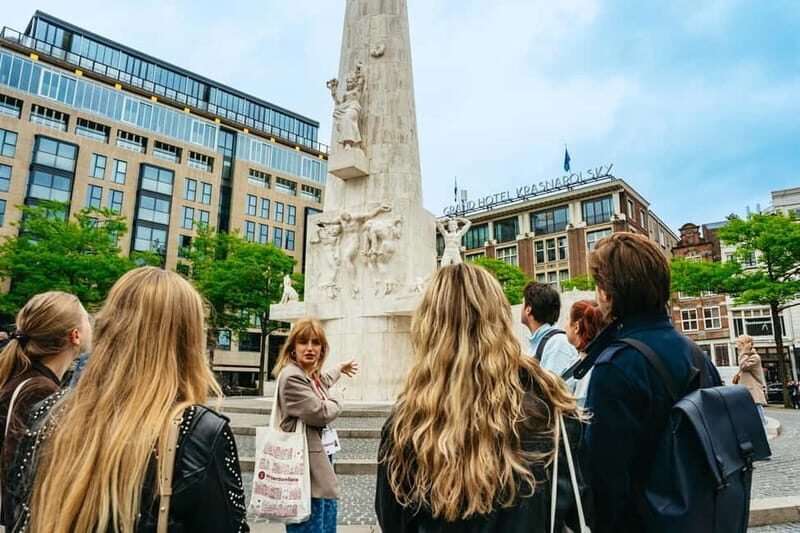
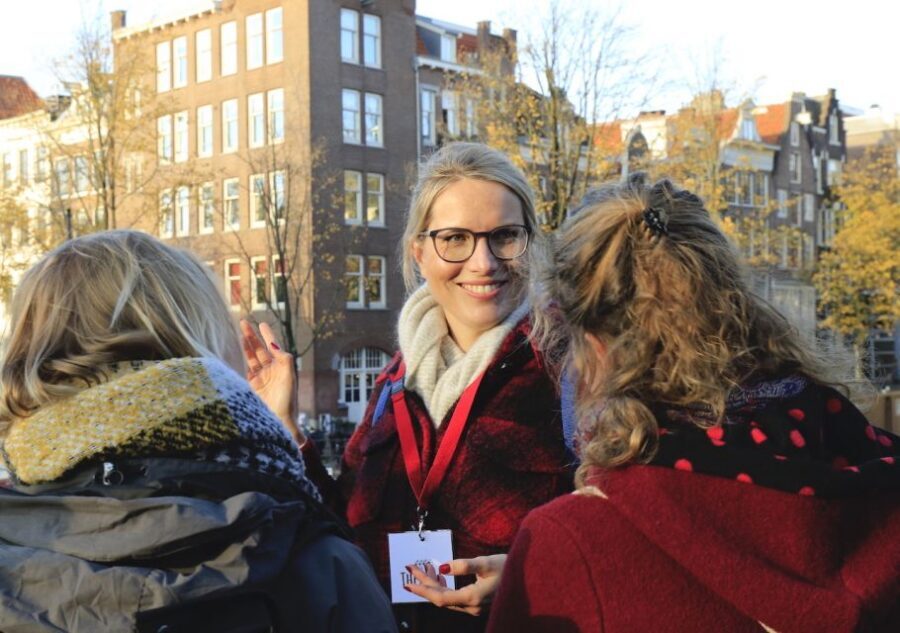
I also like that it costs $30 and still feels like a full “first-day” experience. You’ll see major landmarks, learn why they matter, and get guide recommendations, with no admission fees needed for the sights on the route. The meeting spot is easy to find, but do watch for the guide’s red name tag on the stairs of the National Monument at Dam Square.
This is a solid pick for couples, solo travelers, and families—it’s even listed as suitable for children. It’s also wheelchair accessible, and there’s a private group option if you want a more tailored pace and questions answered without the noise level of a bigger crowd.
In This Review
- Key highlights worth your attention
- Meeting at the National Monument: your 2-hour “map with stories”
- Dam Square and the Royal Palace area: where the city starts acting important
- Beurs van Berlage to Magna Plaza: money, trade, and changing tastes
- Torensluis Bridge and the Multatuli statue: colonial-era context without the lecture voice
- Anne Frank Monument to Westerkerk: WWII memory, not just a stop photo
- Homomonument to De Negen Straatjes: the city’s modern conversations in plain sight
- Begijnhof: the courtyard you’ll feel in your bones
- The Amstel River and the National Monument wrap-up: your “why Amsterdam is called Amsterdam”
- Value check: $30 for 2 hours that actually helps you plan the rest of your trip
- Who should book this walk (and who might want something else)
- Should you book Amsterdamliebe’s Cultural Highlights Walking Tour?
- FAQ
- Where do I meet the tour guide?
- How long is the walking tour?
- What language is the guide available in?
- Is the tour accessible for wheelchairs?
- Do we need to pay admission fees for the sights?
- What should I bring with me?
Key highlights worth your attention
- Dam Square orientation: you start at the ceremonial heart of Amsterdam’s origin story.
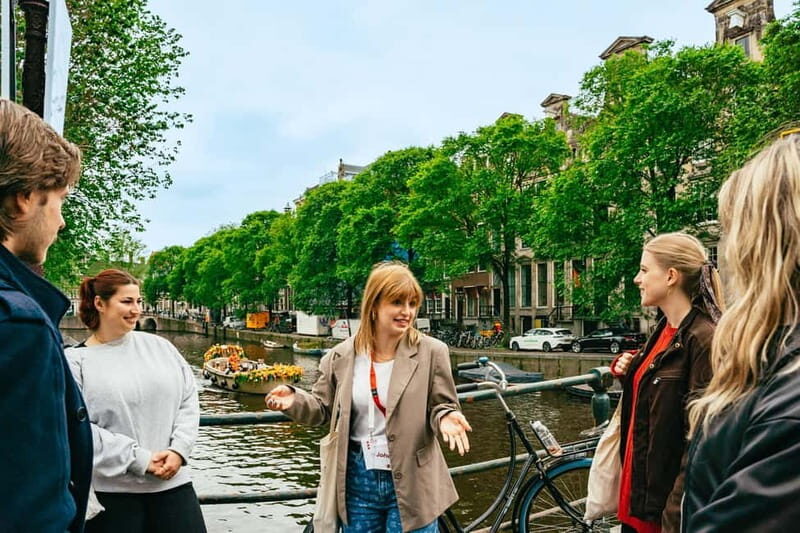
- Canals to courtyard peace: romantic canal-side streets lead into Begijnhof’s quieter world.
- History with real consequences: the guide ties daily life in the Middle Ages to Golden Age art and WWII change.
- Colonial-era details: the Multatuli statue on Torensluis Bridge adds context you can’t get from postcards.
- Memory across wars: the route ends at the National Monument, now a memorial to victims worldwide.
- Ask-a-lot guide energy: guides like Sonja, Francesco, and Noah are often praised for clarity, story flow, and handling questions.
Meeting at the National Monument: your 2-hour “map with stories”
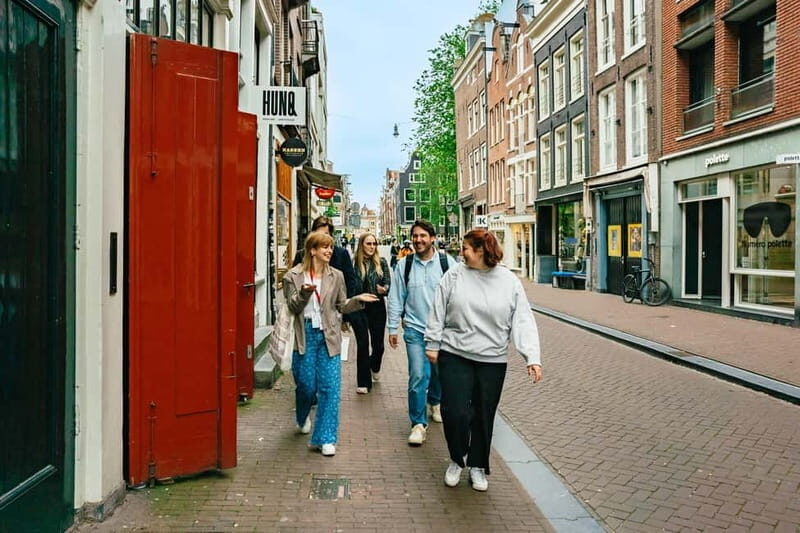
You meet right at the National Monument at Dam Square. It’s a big white pillar/obelisk, and the guide will have a red name tag. That matters more than you’d think: Amsterdam is easy to wander, but it’s also easy to miss the threads that connect buildings, streets, and politics.
From the start, the tour frames Amsterdam like a story you can walk through. You’ll hear how merchants, salesmen, and the poor lived in the Middle Ages, then how the Golden Era helped art blossom. The point isn’t just facts—it’s learning why the city looks the way it does.
I like beginning here because you’re not distracted by random side streets right away. You’re getting the “why” before you chase the “wow.”
You can also read our reviews of more walking tours in Amsterdam



Dam Square and the Royal Palace area: where the city starts acting important
Your first big moment is Dam Square. It’s where Amsterdam was founded, and you’ll get a photo stop plus guidance on what this space means. The square is busy, but the tour helps you look past the motion and see the civic power layer underneath.
Next up is the Royal Palace of Amsterdam area. You’ll do a photo stop and learn how this part of town functions as more than a pretty facade. The tour also mentions the New Church (Nieuwe Kerk), and even if you don’t go inside, you’ll understand why the building style and setting fit the city’s historical confidence.
Practical tip: if you’re visiting on a gray day, this section is perfect for “look, listen, snap a quick photo, move on.” Just keep your camera handy and your feet ready.
Beurs van Berlage to Magna Plaza: money, trade, and changing tastes
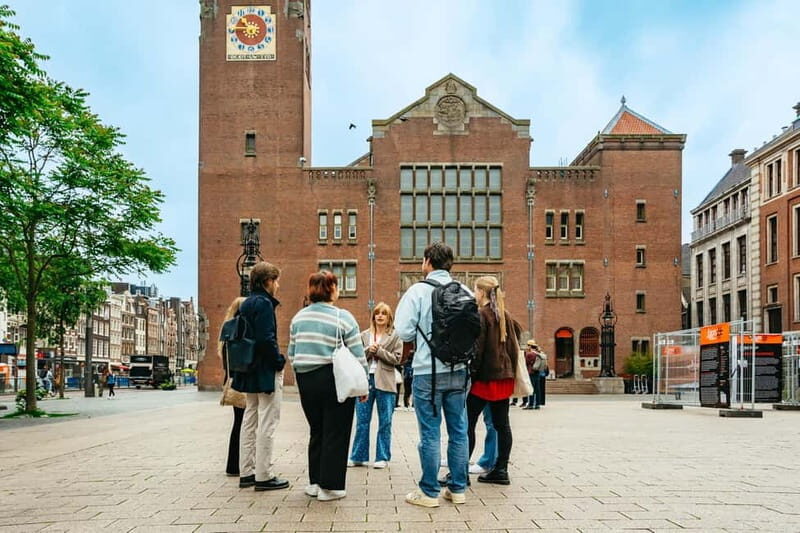
A smart part of this walk is that it doesn’t treat architecture like decoration. It treats buildings like evidence. You’ll pass Beurs van Berlage, with a guided stop that focuses on how the city’s trading and prosperity shaped its public spaces.
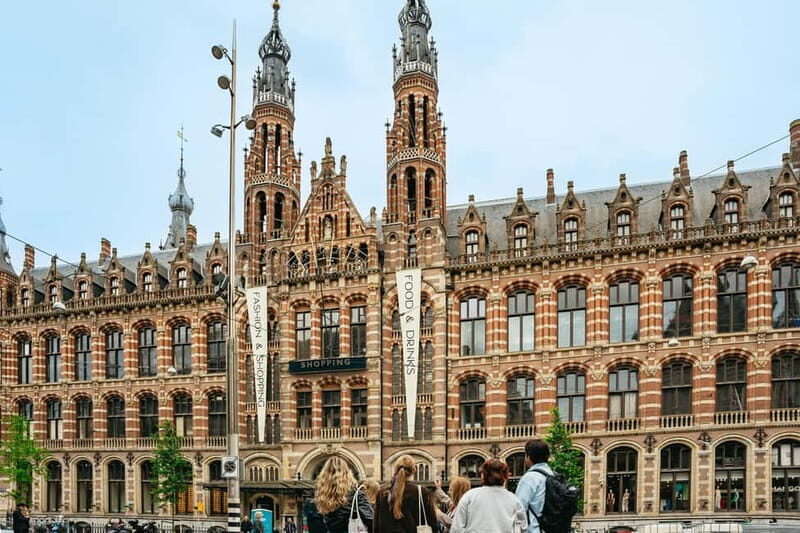
Then the route continues toward Magna Plaza for another short photo stop. It’s a quick moment, but the guide uses it to talk about how architectural designs that were popular in the past show up in how people live and move today.
This is also where the tour’s “now and then” rhythm clicks. You’re watching modern Amsterdam live in the same streets as older ambitions. It’s an easy way to stop thinking of the city as a museum and start seeing it as a functioning place with layers.
Torensluis Bridge and the Multatuli statue: colonial-era context without the lecture voice
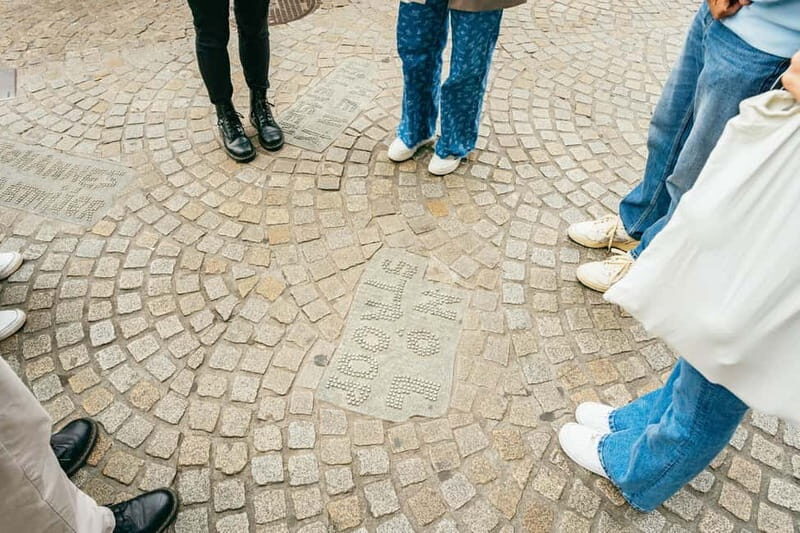
One stop I’d call out is the area around Torensluis Bridge and the Multatuli statue. The tour connects Multatuli to Amsterdam’s colonial era, and it also notes one of the tiniest houses in the city. That combination works well because it adds both a symbol and a physical scale lesson.
Here’s what you can take from it: Amsterdam’s canals and houses aren’t just charming—they reflect social class and how wealth (and exploitation) traveled through the city. You’ll likely catch yourself looking at building size and placement a lot more critically after this.
Also, the tour includes mention of the former main post office. If you spot it on your walk, the guide’s explanation helps you see how communication networks mattered in the city’s growth—not just shipping and trade.
Anne Frank Monument to Westerkerk: WWII memory, not just a stop photo
As you move on, you’ll reach the Anne Frank Monument for a photo stop with guided context. The tour also frames WWII as a major turning point in how the people of Amsterdam experienced change and loss.
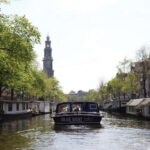
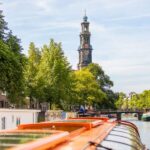
Then you’ll pass Westerkerk for a short stop. It’s quick, but the idea is to connect landmarks with the moral weight carried by specific places. You’re not only learning what happened; you’re learning how memory is embedded into street-level geography.
If you visit Amsterdam for history and you want that history to feel grounded rather than abstract, this is a strong section. The guide’s job here is to keep it human and understandable, and the overall praise around the guides often centers on exactly that kind of story craft.

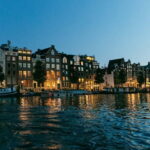
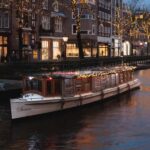
Homomonument to De Negen Straatjes: the city’s modern conversations in plain sight
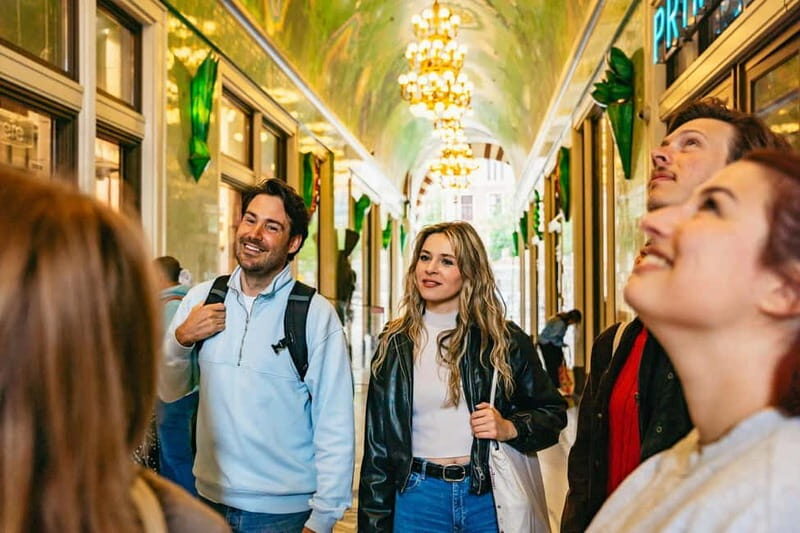
A standout for many people is Homomonument—you’ll get a photo stop and short guided explanation. It’s part of the tour’s bigger theme: Amsterdam isn’t only about old wealth and old art. It’s also about today’s social values and the long work behind them.
Then you’ll head toward De Negen Straatjes (the Nine Streets). You’ll get just a brief guided moment here, but it’s enough to help you understand how the area fits into a “walk the neighborhood” approach. It’s also a good place for the guide to point out what you can explore on your own after the tour.
One tip you should pay attention to: the guide will tell you which foods to try and which districts you can discover independently by bike. That’s practical, and it saves you hours later.
Begijnhof: the courtyard you’ll feel in your bones
Now for the calmer payoff: Begijnhof. You’ll cross toward it past Spui Square, and the tour calls Begijnhof the pearl of Amsterdam. Even if you’ve seen photos, this place often surprises people in person because it slows everything down.
You’ll do a photo stop and guided tour here. The guide uses it to connect architectural design choices and daily life patterns—how a city creates a pocket of order inside its larger bustle.
This is also where the tour’s structure feels generous. After several weightier stops (and plenty of street-level history), Begijnhof gives you a mental breather without breaking the storyline.
Practical advice: if the weather is rough, treat Begijnhof like your “refuel point.” Have your water handy and take an extra minute to look around before you move on.
The Amstel River and the National Monument wrap-up: your “why Amsterdam is called Amsterdam”
On the way back to the finish, you’ll see the Amstel River, the river the city owes its name to. That’s a useful endcap because it brings you back to basic geography: waterways shaped where people built, traded, and gathered.
The tour finishes back at the National Monument. The guide explains it was originally built to remember victims of World War II, and it’s now a memorial to victims who lost their lives in any war worldwide. That broader framing helps the ending land with meaning, not just final-stop convenience.
It’s a strong finish because you started there too. You’re not just moving forward—you’re checking your understanding as you retrace the core.
Value check: $30 for 2 hours that actually helps you plan the rest of your trip
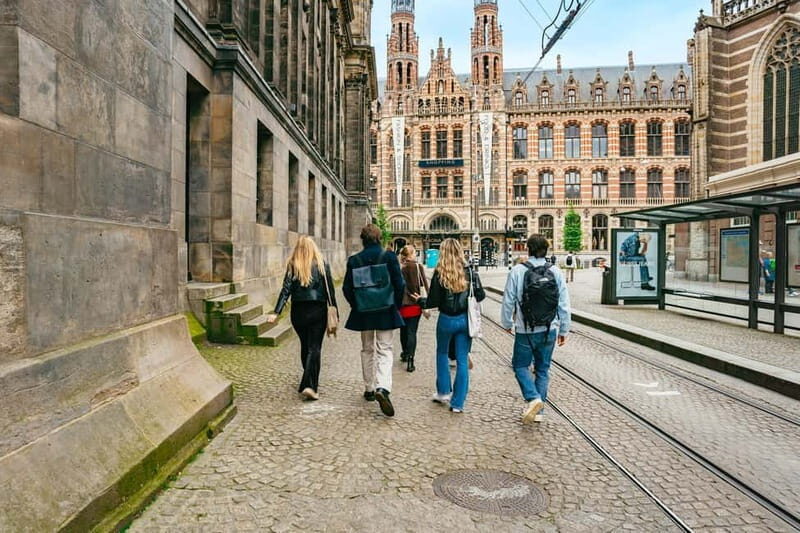
Let’s talk value. $30 per person for a guided 2-hour walk sounds almost too normal for Amsterdam—until you notice what you get.
You’re not paying admission fees for the sights on the route, and the guide helps you turn landmarks into context: Middle Ages life, Golden Age art, WWII consequences, and what tolerance and multiculturalism look like on the ground today. You also get practical recommendations—foods to try and neighborhoods to explore by bike—so the tour doesn’t feel like a standalone activity.
Could you do this on your own? Sure. But doing it right means piecing together a lot of history while you’re navigating a city with constant detours. A good guide saves you that effort and turns “pretty streets” into “I know why this matters.”
Also, the fact that the tour is wheelchair accessible and suitable for children makes it easier to recommend across mixed groups.
Who should book this walk (and who might want something else)
This tour fits best if you:
- want a clear first orientation to Amsterdam’s center
- care about history and how it affects street-level life
- prefer walking with frequent stops over sitting in one museum room
- like guides who answer questions and keep the pacing comfortable (many guides on this route are praised for story flow and clarity)
You might choose a different option if you:
- want a long museum visit or a tour focused mainly on interior ticketed attractions (this one is about the city streets and free sights)
- hate standing for short photo pauses in cool or rainy weather (bring an umbrella and be ready to pause)
Should you book Amsterdamliebe’s Cultural Highlights Walking Tour?
If you want a short, guided, high-impact “Amsterdam starter kit,” I’d book it. You’ll see the core landmarks—Dam Square, the Royal Palace area, key bridges, canal-side streets, Begijnhof—and you’ll leave with more than photos. You’ll understand the major turns: art in the Golden Age, the shock and scars of WWII, and how Amsterdam’s ideas of tolerance show up in public spaces.
And if you can align your timing with a guide like Francesco, Noah, Lili, Sonja, or Ginevra—people are repeatedly praised for turning the walk into clear, story-driven history—you’ll get the best version of this experience.
If you’re deciding last-minute, the flexible booking options (reserve now, pay later; free cancellation up to 24 hours) make it low-risk to try.
FAQ
Where do I meet the tour guide?
Meet on the stairs of the National Monument at Dam Square. Look for the guide wearing a red name tag around their neck.
How long is the walking tour?
The tour runs for about 2 hours.
What language is the guide available in?
The live guide is available in English, German, and Italian.
Is the tour accessible for wheelchairs?
Yes, the tour is listed as wheelchair accessible.
Do we need to pay admission fees for the sights?
No. The tour notes that you won’t have to pay admission fees during the tour, and all sights can be visited for free.
What should I bring with me?
Bring comfortable shoes, an umbrella, and water. Food and drinks aren’t included, so you may also want to plan for snacks outside the tour.