REVIEW · AMSTERDAM
Amsterdam: Anne Frank’s Last Walk & Visit Anne’s House in VR
Book on GetYourGuide →Operated by Amsterdam Experiences · Bookable on GetYourGuide
Two hours of history, then virtual hiding. This English walking tour traces Anne Frank’s last walk toward Prinsengracht, using diary quotes as you pass key WWII landmarks, and then caps it off with Oculus VR inside the Secret Annex experience. It’s a smart way to understand the story without getting swallowed by the long museum queues.
I especially love the combination of street-level walking plus Anne’s own words guiding the stops. You don’t just learn dates—you connect the setting to how her family lived in fear and uncertainty. And I like that the VR session lets you see the rooms and belongings with your own eyes, at your own pace.
One important consideration: Anne Frank House tickets are not included, so if you’re determined to enter the real museum, you’ll need a separate plan.
In This Review
- Key points to know before you go
- Meeting at Max Euweplein and finding your guide fast
- The last walk: tracing Anne’s route through WWII Amsterdam
- How diary quotes make the street stops hit harder
- The included café drink that breaks up the heavy parts
- Oculus VR and the Secret Annex: what you actually see
- Price and value: is $41 a good deal?
- Who this tour suits best (and who should choose something else)
- Practical tips to get more out of the walk and headset
- Should you book it?
- FAQ
- Is the tour offered in English only?
- How long is the tour?
- Does this tour include entry tickets to the Anne Frank House?
- What does the VR part include?
- Is a drink included?
- What is the meeting point?
- Is the tour suitable for young children?
- Is it accessible for people with mobility impairments?
- Can I cancel or pay later?
Key points to know before you go
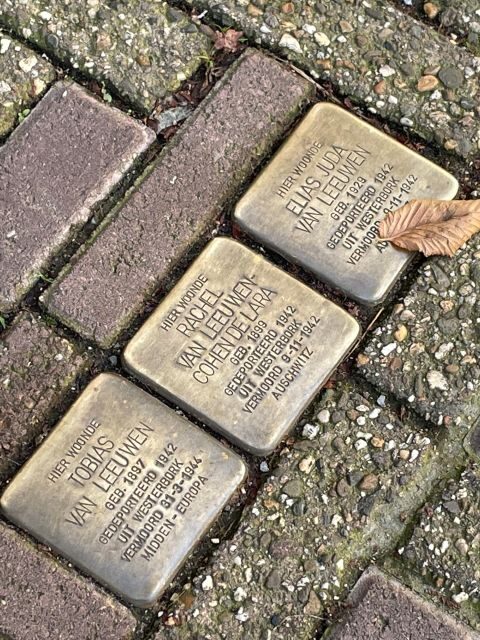
- Walk Anne’s final route toward the hiding place and hear what her family was facing
- Diary quotes on the move help you connect places to people and feelings, not just facts
- See the Secret Annex in Oculus VR with period furniture and belongings in place
- Go through the bookcase transition that leads into the Secret Annex space
- Avoid the worst crowd crush by using VR instead of waiting for timed entry
- Get a drink included right after the walking portion, near the Anne Frank area
Meeting at Max Euweplein and finding your guide fast

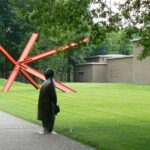
You’ll meet near Leidseplein/Vondelpark area, close to tram access from Leidseplein. Look for a small statue and chess tables in the square by the main entrance to Wagamama. Your guide will be standing beside that landmark holding a photograph of Anne Frank.
This matters because the area is busy, and you’ll want to start the walk on time. Aim to arrive a bit early, especially if you’re double-checking the tram stop. Also, because the whole experience runs about 150 minutes, being late can squeeze your VR time and the included café break.
The tour is English only, so if you’re traveling with anyone who needs a different language, plan ahead. And since this is not designed for very young kids or reduced mobility, it’s best to come when you know everyone in your group can keep up.
You can also read our reviews of more walking tours in Amsterdam



The last walk: tracing Anne’s route through WWII Amsterdam
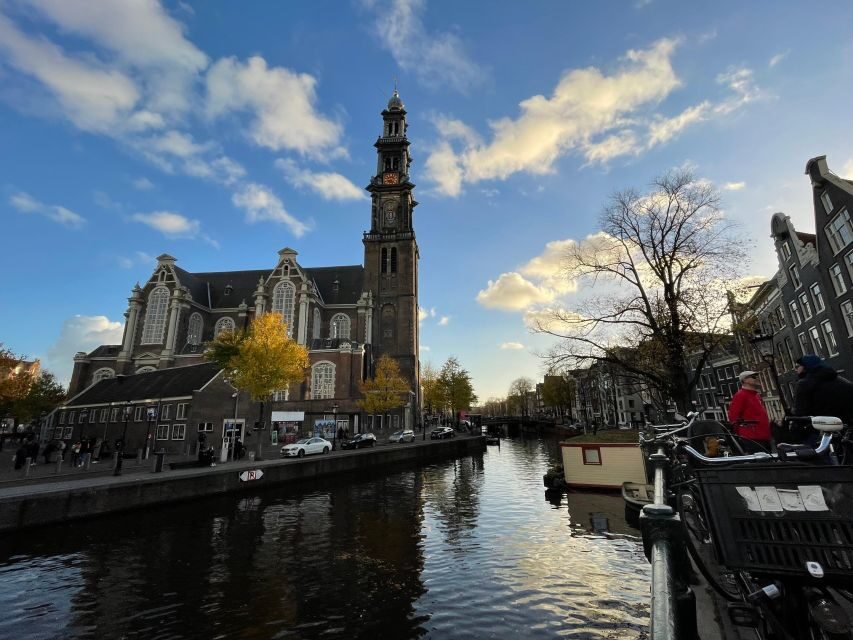
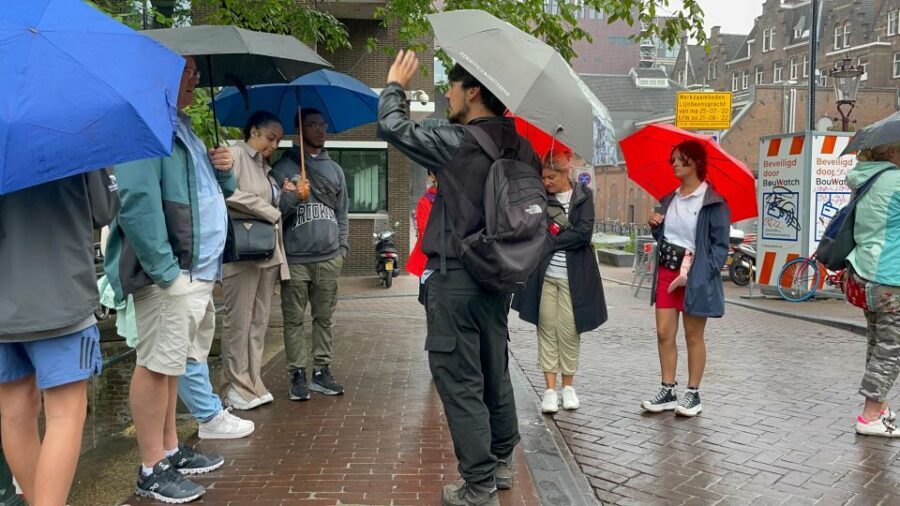
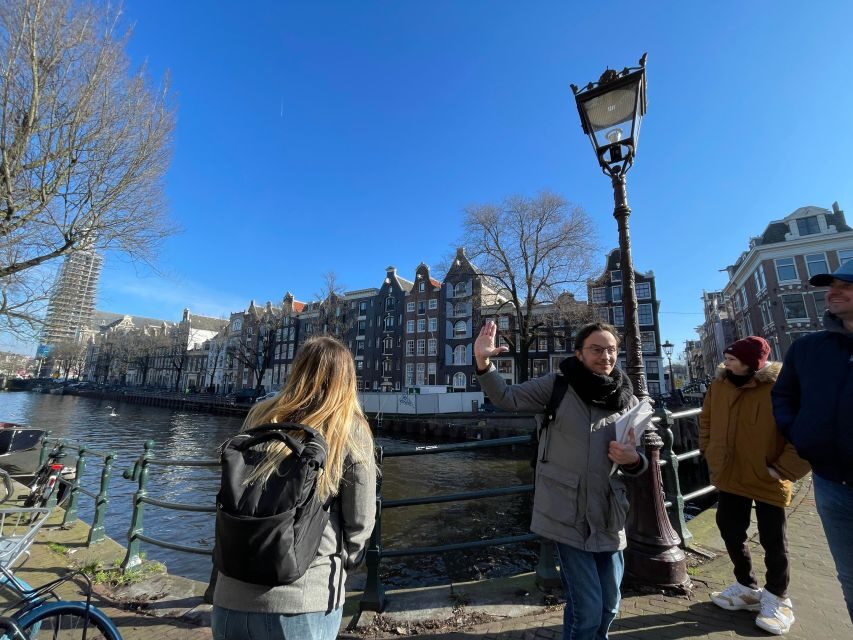
The main idea is simple: you follow the final stretch of the route Anne and her family took on the way to their hiding place. As you walk, you’ll hear how they tried to stay out of Nazi attention and what life felt like as the situation tightened around them.
Instead of treating this as a detached history lesson, the guide ties the setting to the story. You’ll learn how Amsterdam changed under occupation and what the Frank family’s daily risk looked like. That’s a big deal, because the more you understand the pressure around them, the more the diary passages land emotionally.
You also get a sense of how Amsterdam itself shaped the story—tight neighborhoods, visible streets, and ordinary places that suddenly carried enormous risk. The walk portion is where you build that mental map. By the time you reach the VR portion, the Secret Annex isn’t just a dramatic historical “place.” It becomes the logical next step in a sequence of choices and fear.
How diary quotes make the street stops hit harder
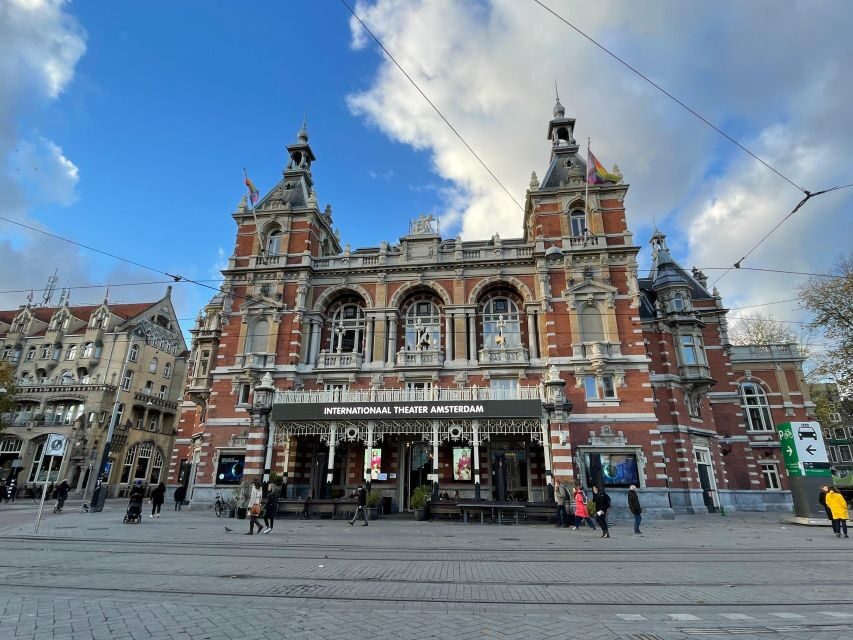
What I like about this tour is that the guide doesn’t rely only on broad WWII facts. Instead, you’ll hear quotes from Anne’s diary that connect the places you’re seeing to her thoughts and observations.
This is valuable because it turns the story into something personal. WWII history can feel like a list. Diary excerpts help you feel the human scale—what it’s like to worry, to hope, to notice small changes, and to live with uncertainty.
One smart thing you’ll get from this approach: context doesn’t arrive all at once. It comes in small bursts while you’re moving. That pacing helps you remember. You’re not just listening from start to finish; you’re linking the words to a real street corner, building, and neighborhood flow.
And if you’re bringing teens or young adults, this format often works better than a lecture. It keeps the story moving, and it gives them something to “place” in their minds as they walk.
The included café drink that breaks up the heavy parts
After the walking tour, you stop for a drink that’s included. The options are coffee, tea, soft drink, beer, or wine, and it’s served at a café near the Anne Frank House area.
Why I think this pause is more than a perk: it gives your group a moment to reset before the VR experience. When you’ve been hearing intense WWII material on the streets, your brain needs a small landing spot. The café stop also creates a buffer for questions, quick restrooms, and a chance to get your energy back before you put on the headset.
It’s also practical. VR can be a little intense even when it’s well done, and a drink helps you settle in rather than rushing straight from the walk into the headset session.
Oculus VR and the Secret Annex: what you actually see
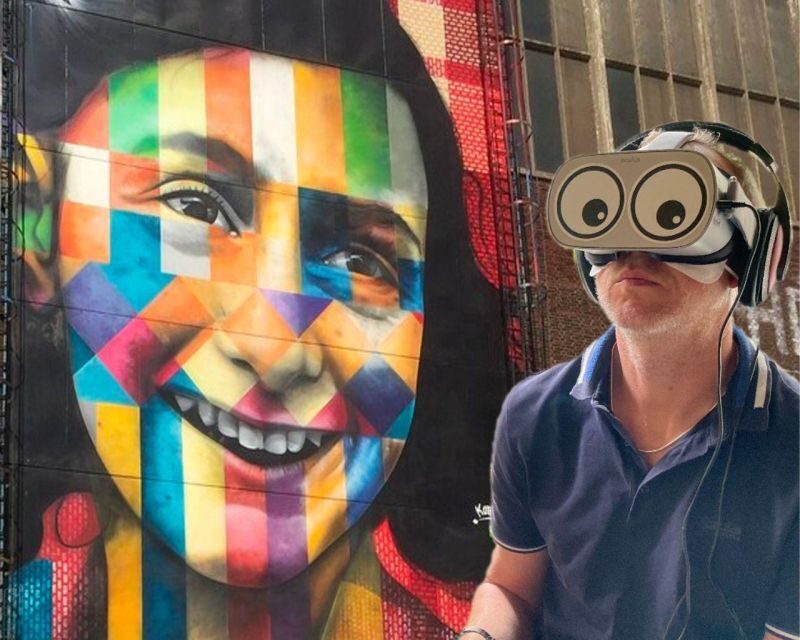
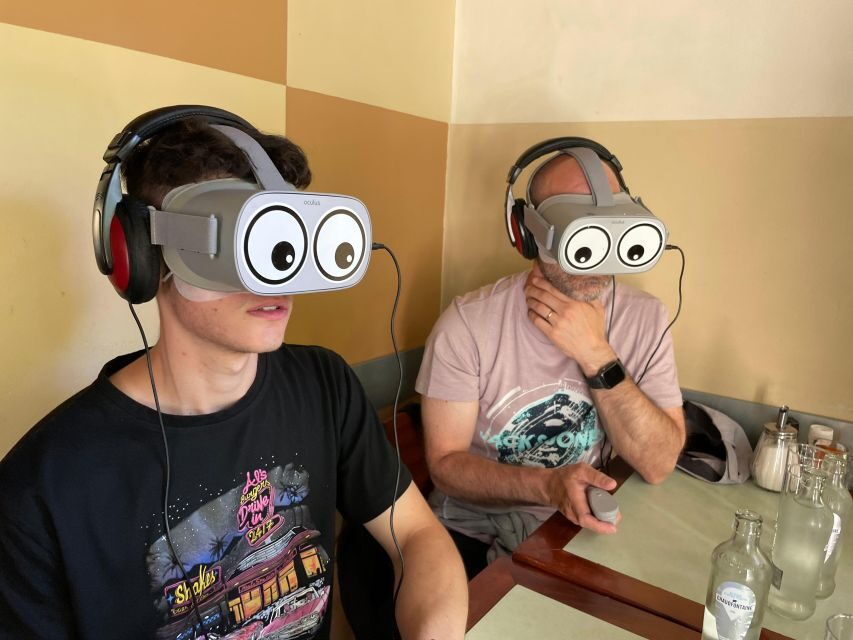
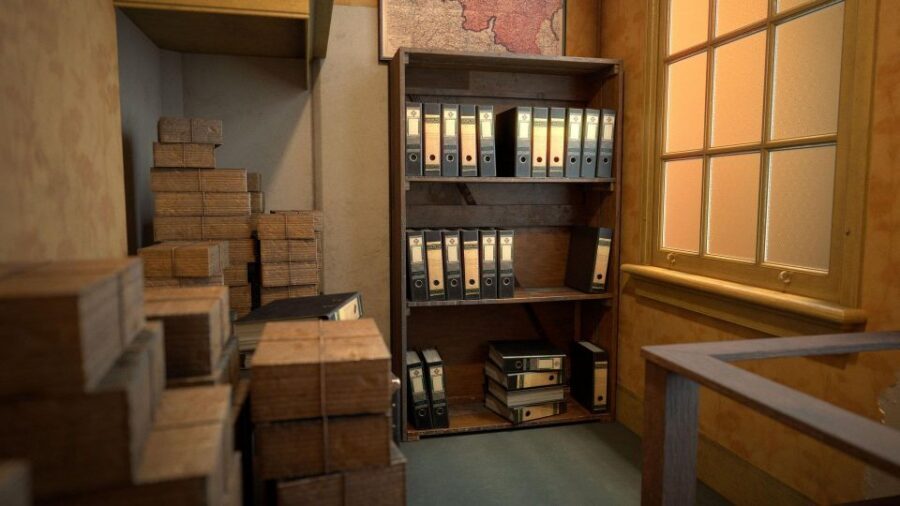
Then comes the centerpiece: a Virtual Reality tour of the Secret Annex using an Oculus headset. This VR experience is built by the Anne Frank Foundation, and it’s designed to replicate what it was like to live there during Nazi occupation—using period furniture and belongings in place.
A huge advantage for many visitors: VR lets you avoid the crowd problem that comes with the real Anne Frank House. Here, you’re not competing for space in a line or waiting for timed entry. The headset experience means you can take things at a calmer speed.
You’ll also go through the transition moment that leads you into the Secret Annex—including passing through the bookcase. That detail matters because it shapes how you understand the space. It’s not just rooms you look at; it’s the sequence of discovering and entering the hidden area.
One more thing I appreciate: VR works well when the real museum entry doesn’t fit your schedule. If you can’t get tickets or the house isn’t available during your visit, the VR session gives you a strong “see inside” substitute that still feels specific and real.



Price and value: is $41 a good deal?
At $41 per person, you’re paying for a guided walking experience plus the Oculus VR component and the included drink. The big value question is how this compares to buying Anne Frank House tickets.
Here’s the clean way to think about it: this tour is best value when you either want to build context first (the walking part is strong) or when house access is difficult. Since Anne Frank House tickets are not included, you’re not paying twice for the exact same thing. Instead, you’re buying interpretation on the streets and a guided VR look at the Secret Annex spaces.
It’s also a good fit if your trip timing makes timed museum entry tricky. Multiple people find VR especially useful as a way to see the rooms without the stress of crowds.
The main “cost” to know: if your dream is to walk through the real house in person, you’ll still need separate tickets. If your priority is understanding Anne’s story deeply and seeing the space in a calmer way, the price feels fair for what you get.
Who this tour suits best (and who should choose something else)
This experience works well for adults and teens who can handle a meaningful WWII story on foot. The pacing is tied to walking stops, so it’s not ideal for very small kids; it’s not suitable for children under 6.
It’s also not suitable for people with mobility impairments, since it involves a walking component. If someone in your group has limited mobility, you’ll want to consider alternatives that don’t require extended walking.
If you’re someone who dislikes crowds and prefers a controlled pace, VR is a big plus. And if you’re visiting Amsterdam with only a short time window, the structure is efficient: walking + diary framing + headset tour, all in about 150 minutes.
From a guide style perspective, you may see different names lead this tour—people like Kayleigh, David, Kees, Michael, and Kira have been mentioned—yet the consistent strengths are the same: clear explanations, diary quotes along the route, and a VR session that feels practical, not gimmicky.
Practical tips to get more out of the walk and headset
Wear shoes you’d wear for a real city walk. You’ll be outside for the walking portion, and a few extra minutes of discomfort can make the heavy subject feel harder than it should.
During the walking part, position yourself where you can hear clearly. One small heads-up: on busy days, sound can be a challenge in public spaces, so don’t tuck yourself behind taller shoulders. Staying closer to the guide improves the whole experience.
For the VR session, keep your expectations grounded. It’s a powerful way to see the Secret Annex spaces, but it’s still VR. The value isn’t that it’s a perfect replica; it’s that it gives you more room to look without crowds and lets you focus on details like furniture and layout.
Finally, plan your day so you’re not racing to the next thing after the tour. This story sticks with you, even when you’re laughing a little at the practical reality of bookcases and headsets.
Should you book it?
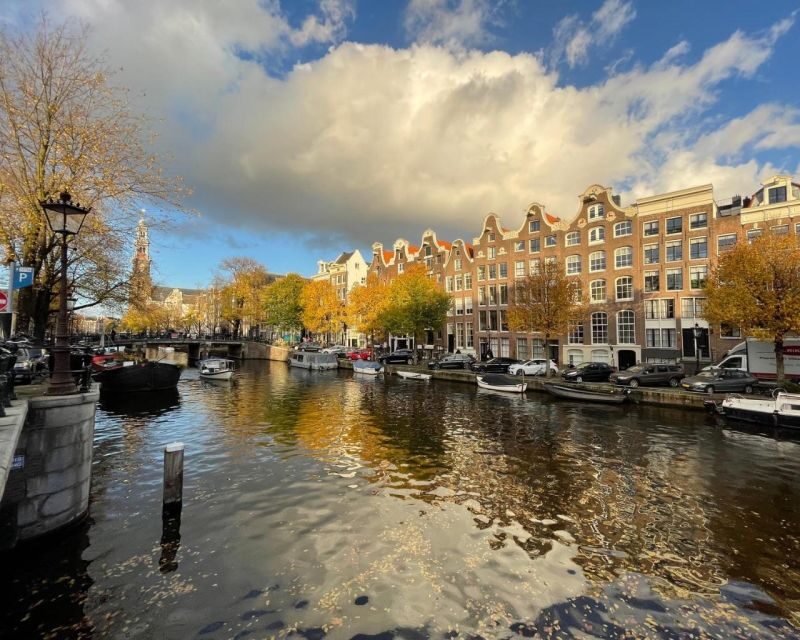
Book it if you want a guided story that connects Anne Frank’s final days to real streets in Amsterdam, and you also want an easy, crowd-free way to see the Secret Annex spaces through VR. At $41, the mix of guided walking, diary quotes, Oculus VR, and an included drink is strong value—especially if you can’t get Anne Frank House tickets.
Don’t book it if your top goal is only the real Anne Frank House in-person, since house entry isn’t included. Also skip it if anyone in your group can’t manage the walking component or if your group includes children under 6.
FAQ
Is the tour offered in English only?
Yes. The walking portion and overall experience are in English only.
How long is the tour?
The total duration is about 150 minutes.
Does this tour include entry tickets to the Anne Frank House?
No. Tickets and entry to the Anne Frank House are not included, even though you’ll experience the Secret Annex through VR.
What does the VR part include?
You’ll do a Virtual Reality tour of the Secret Annex using an Oculus headset, with furniture and belongings in place. You’ll also go through the bookcase as part of the experience.
Is a drink included?
Yes. A coffee, tea, soft drink, beer, or wine is included after the walking tour.
What is the meeting point?
Meet on the square near the Wagamama entrance, by a small statue and chess tables. Your guide will stand there holding a photograph of Anne Frank.
Is the tour suitable for young children?
No. It’s not suitable for children under 6.
Is it accessible for people with mobility impairments?
No. The tour is listed as not suitable for people with mobility impairments.
Can I cancel or pay later?
You can reserve now and pay later, and you can cancel up to 24 hours in advance for a full refund.