REVIEW · AMSTERDAM
Amsterdam: Jordaan Food Tour of 10+ Local Classic Tastings
Book on GetYourGuide →Operated by Secret Food Tours · Bookable on GetYourGuide
Food tours are fun. This one also teaches you how locals eat. In Amsterdam’s Jordaan neighborhood, I like that you don’t just sample food—you walk historic streets, pop into family-run spots, and hear the stories that explain why these dishes became staples. You’ll get 6+ tastings, including the kind of no-nonsense classics that show up on Dutch plates often, plus a surprise Secret Dish revealed only on the day.
Two things I really like: first, the mix is balanced (savory to sweet), so you actually build a feel for Dutch flavors instead of doing random bites. Second, the guide’s style matters here—guides such as Yolanda/Jolanda are described as personal and friendly, and they can adjust the pace to your interests. One drawback to consider: it’s still a walking tour (comfortable shoes), and it’s not suitable for wheelchair users or guests with mobility impairments.
In This Review
- Key Points You Should Know Before You Go
- Jordaan Food Tour Start: Anne Frank Statue to Real Amsterdam Streets
- What’s Actually on the Menu: 6+ Classics Plus the Secret Dish
- My practical advice
- Cheese, Ham, and Sausage Stops: Understanding Dutch Flavor Without the Lecture
- Bitterballen and Kibbeling: The Fried Comfort Food Section
- Poffertjes and Apple Cake: Why Dutch Sweet Is Not Just Dessert
- Herring Changes on Sundays: Fresh Fish vs Broodjr Half Om
- Walking Through Courtyards and Historic Streets: Culture That Explains the Plate
- Guide Style and Group Feel: Why People Remember Yolanda/Jolanda
- Price and Value Check: Is $115 Worth It?
- Who This Tour Suits Best (and Who Should Rethink It)
- Quick Booking Recommendation: Should You Take It?
- FAQ
- Where is the meeting point for the Amsterdam food tour?
- How long is the tour?
- What tastings and drinks are included?
- Is herring included?
- What should I bring and wear?
- Is the tour wheelchair accessible?
Key Points You Should Know Before You Go
- Meeting location is easy to find: in front of the Anne Frank statue near Westerkerk church, with your guide holding an orange umbrella
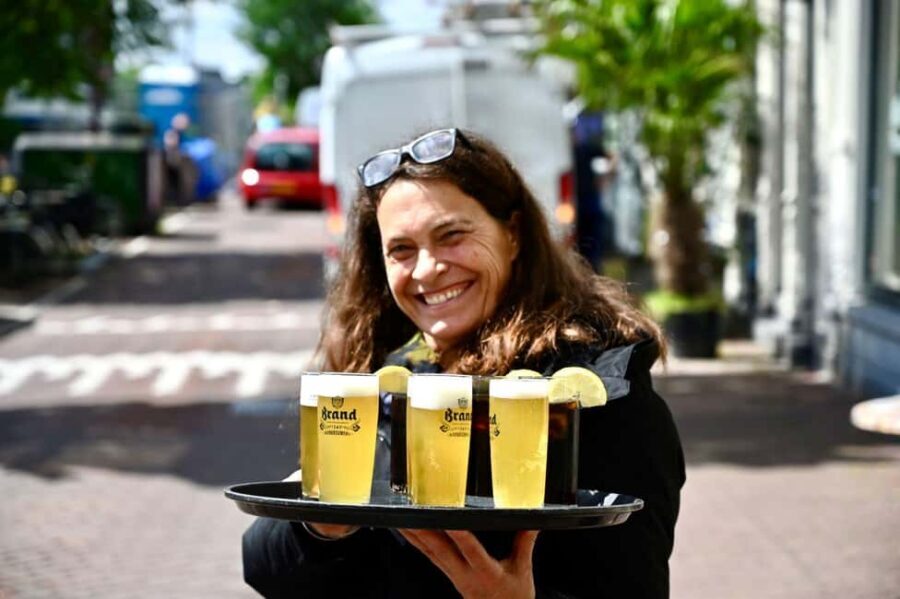
- More than 6 tastings with Dutch coffee or tea and local beer included
- Jordaan streets and courtyards are part of the experience, not just scenery
- Herring changes on Sundays: you’ll swap it for Broodjr Half Om (Jewish sandwich)
- A secret course is saved for last—the dish is revealed only on your tour day
Jordaan Food Tour Start: Anne Frank Statue to Real Amsterdam Streets
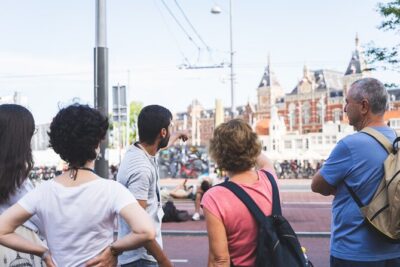
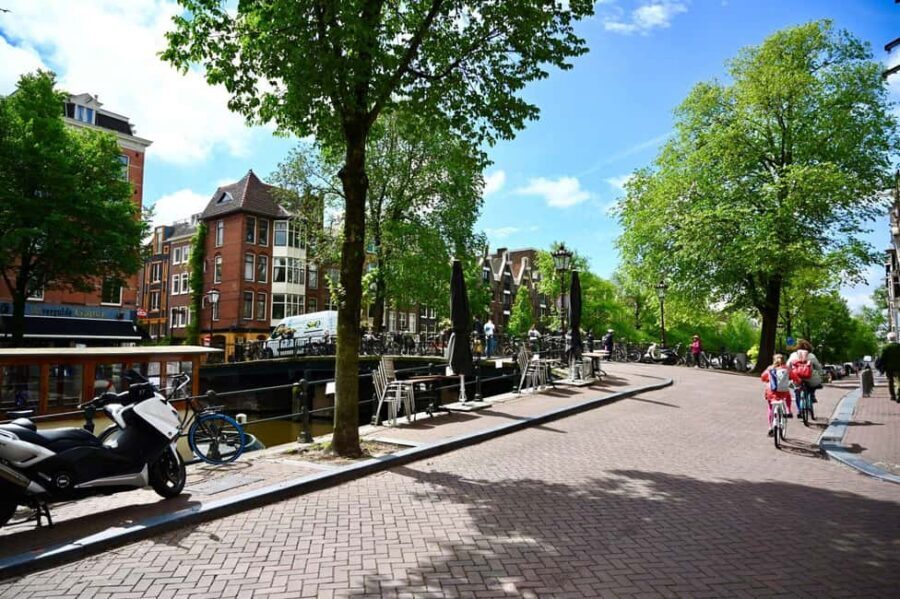
The tour meets near the Anne Frank statue, close to Westerkerk. It’s a practical starting point because you can orient fast: you’re in the historic core, and once you spot that orange umbrella, you’re in business. From there, you’ll be walking through the kind of Amsterdam streets that make the city feel intimate—tight lanes, old facades, and little courtyard spaces you might otherwise pass without noticing.
Why this matters: when you pair food with place, the flavors stick. Instead of remembering a list of dishes, you start understanding how Amsterdammers experience food day-to-day. And because the tour is designed for small groups or private formats, you’re more likely to get questions answered and not just follow a pack.
You should expect a steady pace. It’s not a sit-and-sip class. Bring comfortable shoes and wear something you’re happy to walk in for a few hours. If you’re traveling with mobility limits, this is the kind of activity you’ll want to skip.
You can also read our reviews of more food & drink experiences in Amsterdam



What’s Actually on the Menu: 6+ Classics Plus the Secret Dish
The headline is Dutch classics, and you’ll taste more than six items as you go. But the smarter way to think about it is the balance of textures and flavor types. You’ll get crunchy, creamy, salty, fried, and sweet—so you leave with a real sense of what Dutch food feels like.
Here’s what’s included, based on the tour’s standard tasting lineup:
- Poffertjes: fluffy mini Dutch pancakes dusted with powdered sugar
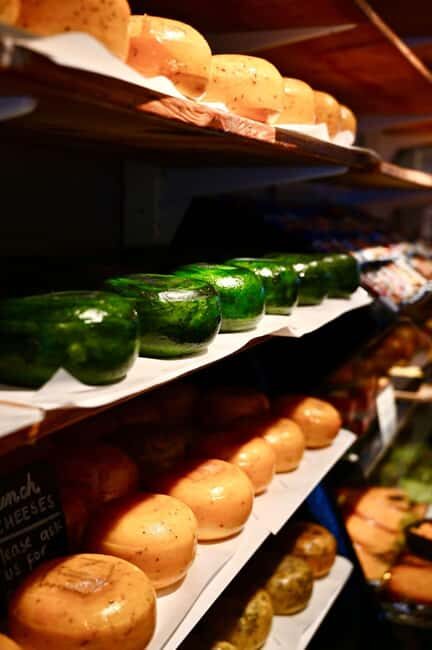
- Dutch cheeses: at least Gouda plus other local varieties
- Local hams and sausages: savory bites you’ll recognize as “everyday Dutch” rather than fancy menu theater
- Kibbeling: golden fried chunks of battered cod
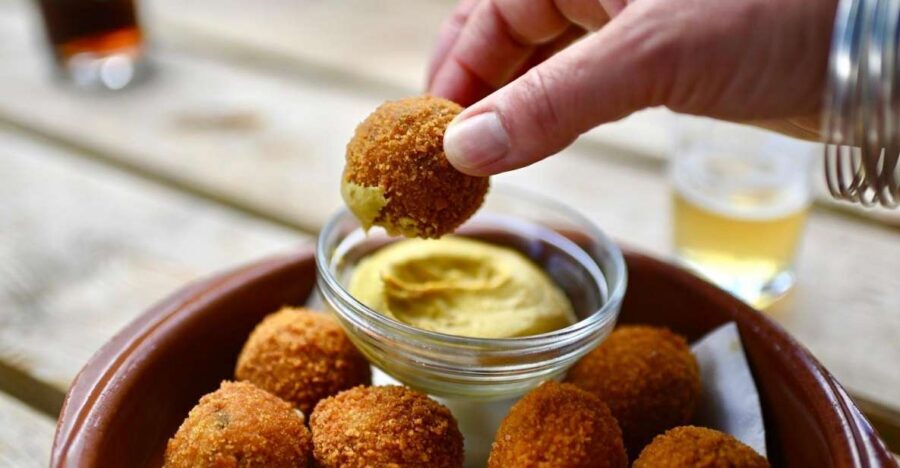
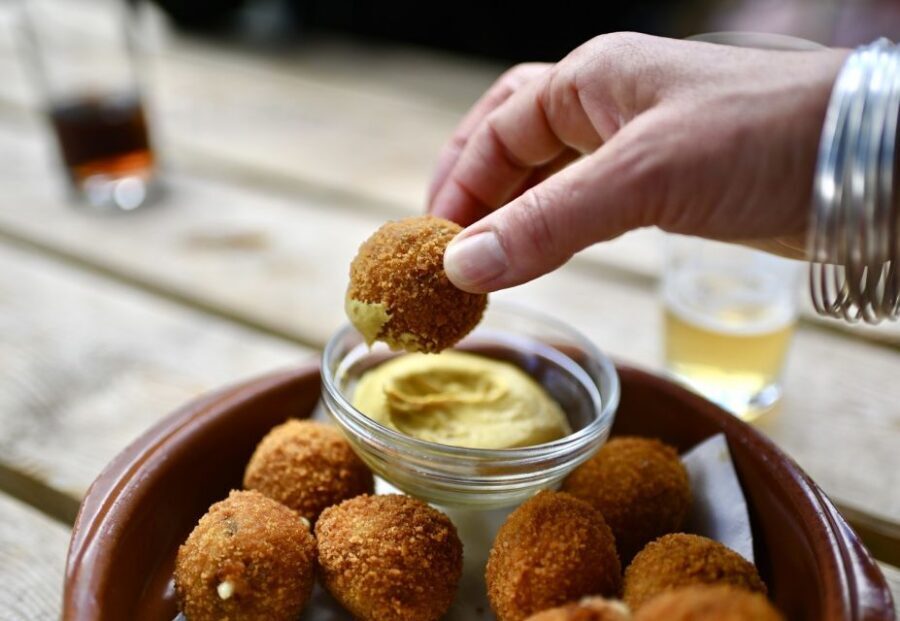
- Bitterballen: a popular Dutch snack (the kind people casually order with drinks)
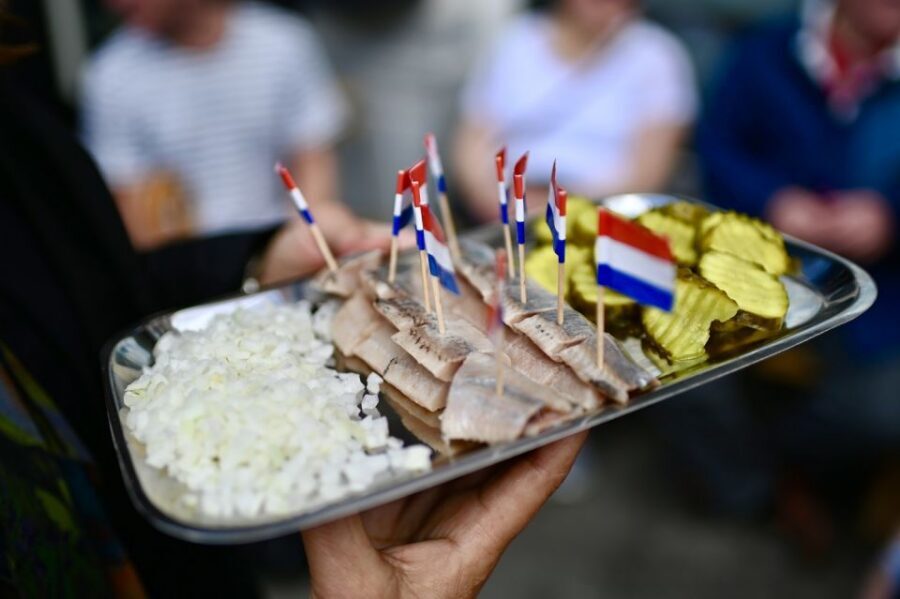
- Fresh herring or, on Sundays, Broodjr Half Om (instead of herring)
- Apple cake: classic Dutch dessert, spiced and sweet
- Dutch coffee or tea with your tastings
- Local beer included, for a true pairing-style finish
And then there’s the part that makes this tour feel different: the Secret Dish. You only find out what it is on your specific day. That keeps the tour from feeling like a rehearsed slideshow, and it also gives you a reason to stay alert even when you think you know the Dutch menu already.
My practical advice
If you’re the type who tends to overthink food tours—wondering if you’ll like everything—this lineup helps. It covers the main Dutch “entry points” (cheese, fried seafood, snacky meat, pancake sweetness) and adds one mystery dish to keep it fun.
Cheese, Ham, and Sausage Stops: Understanding Dutch Flavor Without the Lecture
One of the best parts of this kind of tour is how quickly it builds familiarity. You start with Dutch cheeses (Gouda plus other local types), and from there, the tour naturally moves into hams and sausages. This is the Dutch approach to protein and snacking: simple ingredients, strong flavors, and a lot of emphasis on what goes together on a plate.
Even if you’re not a cheese expert, you’ll pick up fast what to pay attention to:
- How the cheese tastes on its own versus with savory items
- How salty and fatty flavors are balanced by other tastes you’ll encounter later (sweet, tangy, or fried)
Then you see it in context—because these bites are taken at places that are family-run or have a local feel. That’s the difference between eating “food” and eating Dutch food as it’s actually sold and served.
No guessing required. Your guide will explain what you’re tasting and what makes it Dutch, while you still have plenty of time to ask questions as you go.
Bitterballen and Kibbeling: The Fried Comfort Food Section
Let’s be honest: Amsterdam loves snacks you can eat with your hands. Two big hits in this tour’s lineup are bitterballen and kibbeling.
- Bitterballen are often described as a classic Dutch bar snack: fried, crunchy outside, and packed with savory filling.
- Kibbeling is battered cod fried until crisp and golden. It’s the kind of food that reads like fast comfort—simple, warm, and satisfying.
Why these stops are valuable: they show you how Dutch “casual eating” works. Instead of treating food like a formal event, locals often make room for these snacks as part of regular life—especially alongside coffee, beer, or a quick walk.
Also, if you’re worried about feeling stuffed by the time dessert arrives, this is a good sign. These savory fried bites tend to be portioned as tastings, and the tour’s pacing builds toward sweets without making you miserable.
A few more Amsterdam tours and experiences worth a look





Poffertjes and Apple Cake: Why Dutch Sweet Is Not Just Dessert
Most food tours treat sweets like a token ending. This one treats them like a real chapter.
You’ll taste poffertjes, which are essentially mini Dutch pancakes—fluffy, warm, and dusted with powdered sugar. They’re small enough that you can enjoy them without feeling like you committed to a full breakfast-sized dessert.
Then there’s apple cake, a classic Dutch dessert that’s sweet and spiced. It’s a comforting endnote because it’s not just sugary. It carries that lightly warming, spiced character that fits the Netherlands’ cooler-weather food rhythm.
If you’ve only ever had Dutch sweets as “things you find in shops,” this part helps you understand why they work as part of an everyday eating culture. You get sweet, but it’s not all about sugar overload.
Herring Changes on Sundays: Fresh Fish vs Broodjr Half Om
This is one of those details that matters more than it seems. The tour includes fresh herring, but on Sundays it swaps to Broodjr Half Om, a traditional Jewish sandwich made with pickled meat and liver sausage.
So what should you do with that information?
- If you want classic Dutch street food, know you’re not always guaranteed herring depending on the day.
- If you’re open to the food history side, the Sunday option can be fascinating because it connects Amsterdam to its Jewish culinary traditions.
Either way, you’ll still get that salty, tangy, bold flavor experience that herring lovers chase. And you won’t feel like you missed out—because the replacement is a real tradition, not a consolation snack.
Walking Through Courtyards and Historic Streets: Culture That Explains the Plate
You’re not just walking for the sake of walking. The tour’s route takes you through historic streets and courtyards and ties what you eat to why Amsterdam developed these food habits.
Along the way, you’ll hear city stories connected to Amsterdam’s past as a trading hub and a cultural crossroads. That context matters because Dutch food isn’t one uniform style. It reflects trade routes, migration, and what different communities liked enough to keep.
For you, the payoff is simple:
- You’ll understand why foods like cheese, salted or preserved items, and fried snacks became so common
- You’ll notice how Amsterdam’s neighborhoods hold onto their identities
And because the food stops are placed where they make sense, it doesn’t feel like history class. It feels like you’re learning why the city tastes the way it does.
Guide Style and Group Feel: Why People Remember Yolanda/Jolanda
One reason this tour lands well is the human factor. The experience is guided in English, and the guide is there to make the walk flow naturally while you taste. Based on what guests focus on, the standout theme is how personal and friendly guides can be—and how they adjust to your interests instead of sticking to a robotic script.
You’ll also notice the practical side: guides meet you at the exact starting point, and you’re kept moving through the tastings without long dead zones. That keeps the experience from turning into “stand in line, eat, wait, repeat.”
It’s a good match if you like your food tours with actual conversation and clear explanations, not just a mouthful of food and a wave goodbye.
Price and Value Check: Is $115 Worth It?
At $115 per person for 3 to 3.5 hours, this tour isn’t a cheap snack crawl. But it’s also not a basic walking tour that hands you a single bite and calls it a day.
Here’s what you’re paying for in plain terms:
- More than six tastings, including multiple categories (cheese, seafood, snacky fried items, deli-style bites, dessert)
- Dutch coffee or tea
- Local beer
- Water available throughout
- A guide who handles the pacing and connects food to place and city stories
Value depends on your travel style. If you enjoy building an “eating map” for the places you’ll return to later, this kind of tour makes sense. If you already know exactly where you want to eat and you prefer doing meals on your own time, you might feel it’s pricey for what you could do independently.
My take: for a first-time Amsterdam visit, or for travelers who want the Jordaan area to feel personal instead of touristy, it’s a solid spend because you’re buying both food and context.
Who This Tour Suits Best (and Who Should Rethink It)
This is a great pick if you:
- Want Dutch classics in a structured way without planning stop-by-stop
- Prefer small-group or private-style attention
- Like food plus walking through real neighborhoods
- Enjoy trying things like cheese flights, snack foods, and classic sweets
It’s not a great pick if:
- You need wheelchair access or have mobility limitations. The tour involves a fair amount of walking and isn’t suitable for wheelchair users.
- You’re not comfortable standing and walking between tasting stops for a few hours.
Also, eat-thinking tip: If you have dietary needs, don’t assume it’s automatically handled. Reach out in advance so the team can cater as well as possible.
Quick Booking Recommendation: Should You Take It?
If you’re coming to Amsterdam hungry for authentic, classic Dutch flavors in the Jordaan—and you want the tour to explain what you’re eating while you taste—it’s an easy yes. The strongest reasons to book are the lineup (6+ tastings plus coffee/tea, beer, and dessert), the neighborhood setting, and the fact that the Secret Dish keeps the experience from feeling predictable.
If you dislike walking, need full accessibility, or you prefer fully independent dining, you may want to skip this and build your own food plan.
Otherwise: I’d book it, come hungry, and wear shoes you’ll thank yourself for later.
FAQ
Where is the meeting point for the Amsterdam food tour?
You meet in front of the Anne Frank statue near Westerkerk church. Your guide will greet you with an orange umbrella.
How long is the tour?
The tour lasts about 3 to 3.5 hours.
What tastings and drinks are included?
You’ll get 6+ tastings including poffertjes, Dutch cheeses, local hams and sausages, kibbeling, bitterballen, apple cake, and the tour’s Secret Dish. Dutch coffee or tea is included, plus local beer, and water is available during the experience.
Is herring included?
Yes, fresh herring is included, but on Sundays the tour swaps herring for Broodjr Half Om.
What should I bring and wear?
Bring comfortable shoes. The tour involves a fair amount of walking.
Is the tour wheelchair accessible?
No. It is not suitable for wheelchair users or people with mobility impairments.