REVIEW · AMSTERDAM
Amsterdam: Anne Frank Walking Tour
Book on GetYourGuide →Operated by Trigger Tours · Bookable on GetYourGuide
Anne Frank’s story starts on Amsterdam streets. This 2-hour walking tour connects her move from Germany, the years in hiding, and what happened to her family after the war, using real neighborhood landmarks to keep the timeline clear. I especially like how the route makes the history feel local, not like a textbook.
What I also like is the focus on wartime Amsterdam beyond just Anne Frank: you’ll hear about events like the February strike and the hunger winter, then walk through areas where Jewish community life shaped the city long before WW2. One consideration: the stop at the Anne Frank House is not an entrance, and the walking can be a lot for anyone with mobility limits, especially since the info is a bit mixed about wheelchair suitability.
In This Review
- Quick highlights
- Walking into the Jewish Quarter’s WW2 Story
- How the Guide Drives the Experience (and Keeps It Clear)
- Portuguese Synagogue: Seeing Centuries of Life, Not Just One Story
- Jewish Quarter Streets and the Buildings That Hold Memory
- Jewish Historic Museum Stop: Short Visit, Big Context
- Waterlooplein, Nieuwmarkt, and Lastage: Wartime Amsterdam You Can Walk Through
- Auschwitz Monument: A Serious Moment Where the Story Changes Tone
- Anne Frank House Area: Close to the Real Place, Without the Admission Pressure
- Plantage District Finish: From Neighborhood Roots to Lasting Memory
- Price and Logistics: Is $21 Actually Good Value?
- Who Should Book This Tour (and Who Might Want a Different Fit)
- Final call: Should you book the Amsterdam Anne Frank walking tour?
- FAQ
- How long is the Amsterdam Anne Frank walking tour?
- Where do I meet my guide?
- Does the tour include entry to the Anne Frank House?
- What languages are available?
- Is the tour wheelchair accessible?
- What should I bring?
Quick highlights
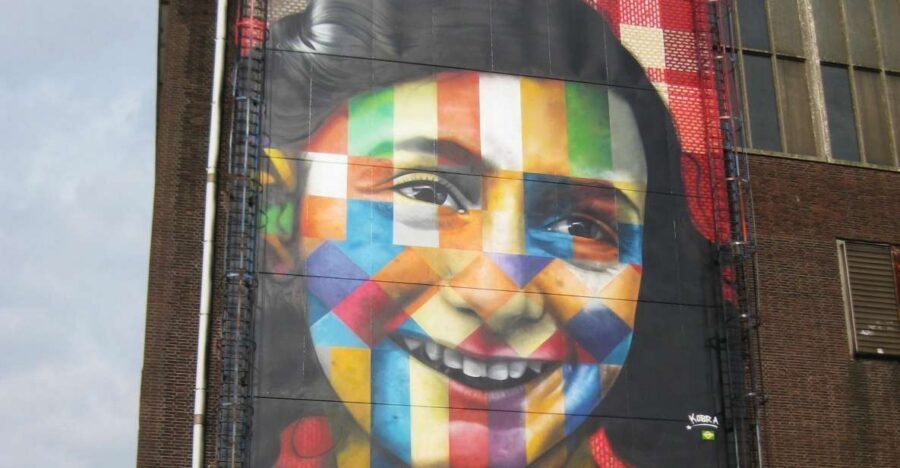
- A tight WWII timeline on foot that follows the story from Germany to hiding to aftermath
- Portuguese Synagogue area + Jewish Quarter so you see what shaped daily life
- Jewish Historical Museum zone and war traces you can still spot in the area
- Auschwitz Monument stop as a serious, memorable turning point
- Anne Frank House viewing without admission so it stays low-stress if you’re ticket-limited
- Guides who tell it in a human way with clear storytelling and lots of room for questions
Walking into the Jewish Quarter’s WW2 Story

This is one of those Amsterdam tours where you don’t just learn names and dates. You walk through the geography of the story, and that changes how it lands. The Jewish Quarter and Plantage district matter here, because they weren’t generic locations during the war—they were neighborhoods with long roots and daily routines.
The tour also keeps expectations realistic. It’s only 2 hours, at $21 per person, so you’re not trying to do every museum in Amsterdam. Instead, you’re building context quickly: how Amsterdam looked during occupation, what life grew like during hardship, and why the Jewish community’s presence shaped the city’s culture.
You’ll start near Waterlooplein, then move through key Jewish landmarks and memorial sites. Along the way, you’ll cover the story of Anne Frank’s family, including her diary and how it was published by her father after the war and became one of the best-selling books of all time.
You can also read our reviews of more walking tours in Amsterdam



How the Guide Drives the Experience (and Keeps It Clear)
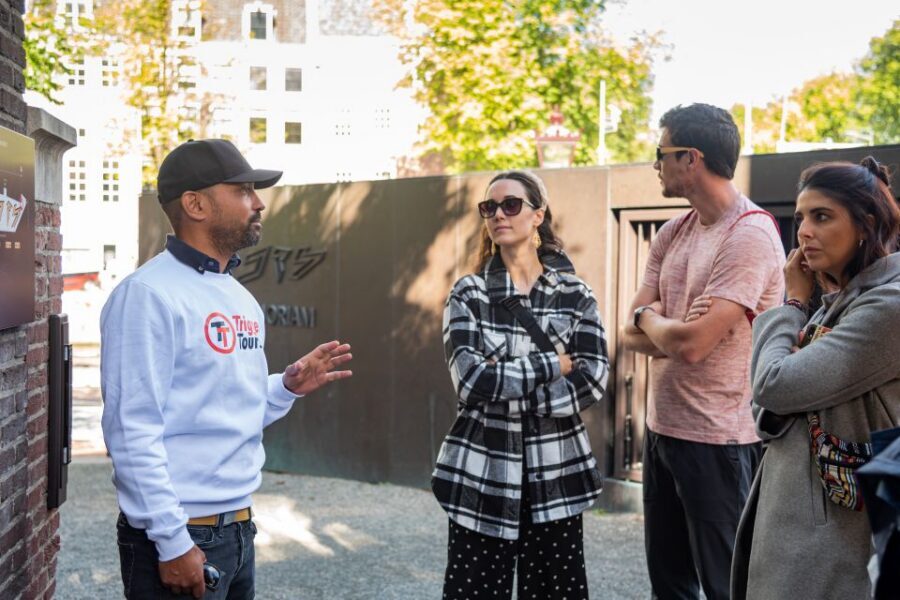
A big part of why this tour works is the way the guide connects the dots. The best versions of this experience follow a simple pattern: set the scene, explain what changed, then point you to a specific street or building that makes the history stick. Many guides on this route—like James and Aaron, based on past participant notes—are praised for tying the narrative together and keeping the pace comfortable over the full walk.
You’ll hear the story in English or Spanish, depending on the guide. That matters if you’ve got people in your group who need language support. And even if you know the basics of Anne Frank, you’ll likely pick up details about how Amsterdam shifted during WW2, plus the broader pressures that affected families and communities.
This isn’t a lecture where you’re stuck behind a screen. It’s active walking with frequent stops, so you’re constantly orienting yourself. Practically, bring comfortable shoes and expect short stretches where you’re listening while standing near historic points of interest.
Portuguese Synagogue: Seeing Centuries of Life, Not Just One Story
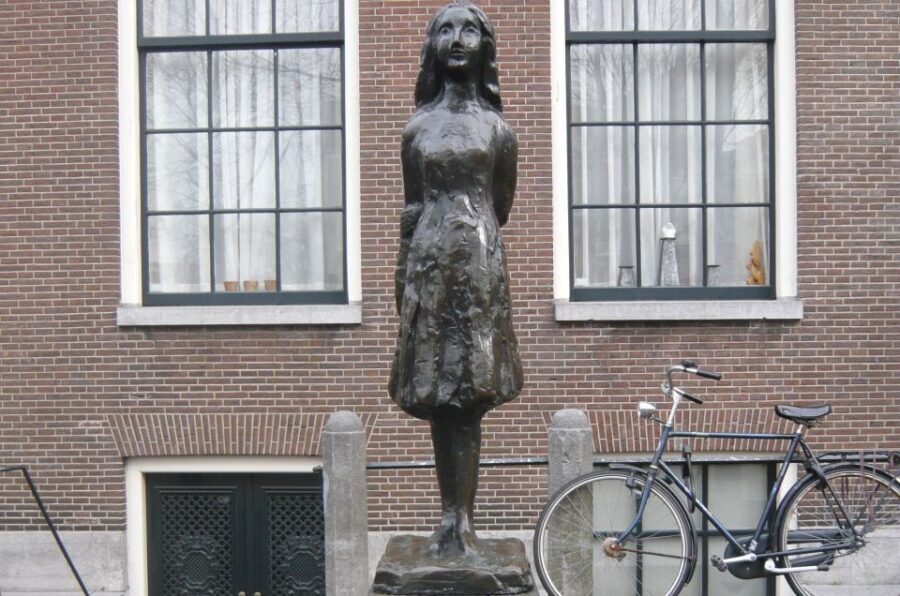
One of the first notable landmarks on the walk is the Portuguese Synagogue area. Even if you’ve seen photos online, it hits differently when you’re there and the guide frames it as more than a famous building. Jewish life in Amsterdam had history that ran deep, and this stop helps anchor that reality early.
In a short time, your guide should connect the synagogue and wider Jewish neighborhood context to what came later in the 1940s. That helps if your main goal is Anne Frank, because it prevents the story from feeling isolated. You start to see the community as something existing before the war, continuing through it, and leaving an imprint afterward.
Time-wise, this segment is short—about 10 minutes—so the goal isn’t to study architecture. It’s to set the tone and give you the mental map for the rest of the walk.
Jewish Quarter Streets and the Buildings That Hold Memory
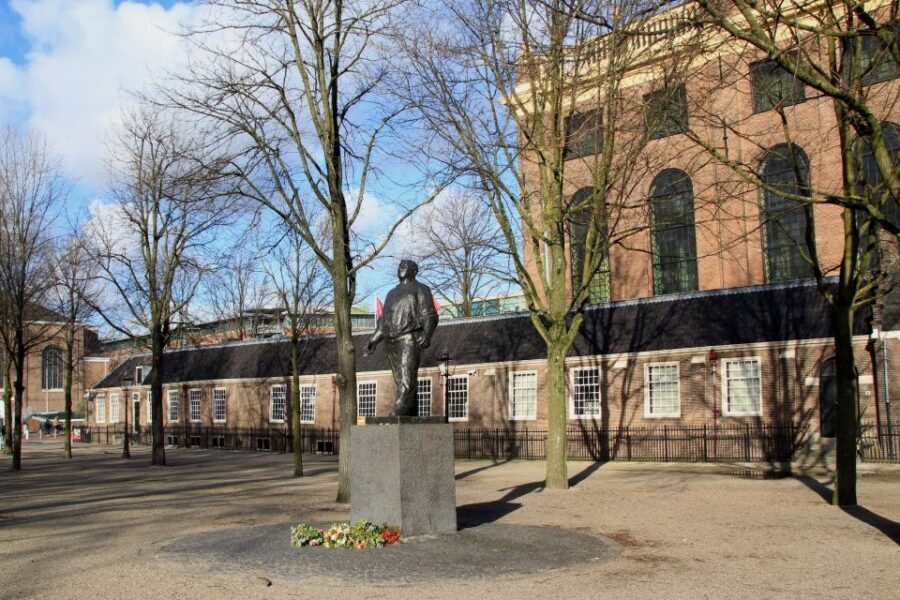
The heart of the tour is walking through the Jewish Quarter. This part is designed for close attention: narrow streets, historic buildings, and landmarks tied to Jewish life during WW2. Your guide should point out major places such as the Jewish Historic Museum area and the Portuguese Synagogue, plus references to the Jewish Council headquarters as part of the broader wartime story.
Expect your guide to talk about how Amsterdam’s Jewish community lived, then how that life was pressured and damaged during occupation. The February strike and the hunger winter come up here, and they’re not just dramatic phrases. When explained on the street, they help you understand what daily survival looked like and why hunger and fear became such powerful parts of the experience.
There are also references to places marked by war. In this part of the walk, you’ll likely notice subtle cues—details that make you slow down and look twice.
Jewish Historic Museum Stop: Short Visit, Big Context
At the Jewish Historical Museum stop, you’re getting the tour’s “context checkpoint.” This segment is about 10 minutes, which means you’re not doing a full museum visit. Instead, the guide’s job is to help you understand what the museum represents and how it connects to what you’ve been hearing about throughout the walk.
This is one of those moments where the value is in interpretation. The museum name alone doesn’t tell you everything. With the guide’s narration, it becomes a signpost for the long story of Jewish life in Amsterdam and what happened when the war intensified.
If you’re the type who likes to leave a tour with “what to do next,” this museum stop often works as a prompt. You’ll know which kind of deeper reading you might want after the walk, since the tour gives you the themes to search for.





Waterlooplein, Nieuwmarkt, and Lastage: Wartime Amsterdam You Can Walk Through
After the Jewish Quarter, the route moves through Waterlooplein, then toward Nieuwmarkt and Lastage. These are the kinds of places that feel everyday in Amsterdam today, which is part of the power. The guide uses them to explain what daily life was like during WW2 and how hardship showed up in the city’s rhythms.
This is also where you may hear about how occupation affected neighborhoods, not just individuals. The tour’s focus stays grounded in people: families, community structures, and the challenges they faced.
One extra detail you might pick up on this stretch: some walkers note spotting meaningful markers in the pavement along routes in Amsterdam’s Jewish areas. I can’t say that every departure will point those out, but it’s worth looking down and around—your guide will likely mention what certain small markings represent.
This part is usually about 10 minutes per stop, so the tour keeps moving while still giving you enough time to process.
Auschwitz Monument: A Serious Moment Where the Story Changes Tone
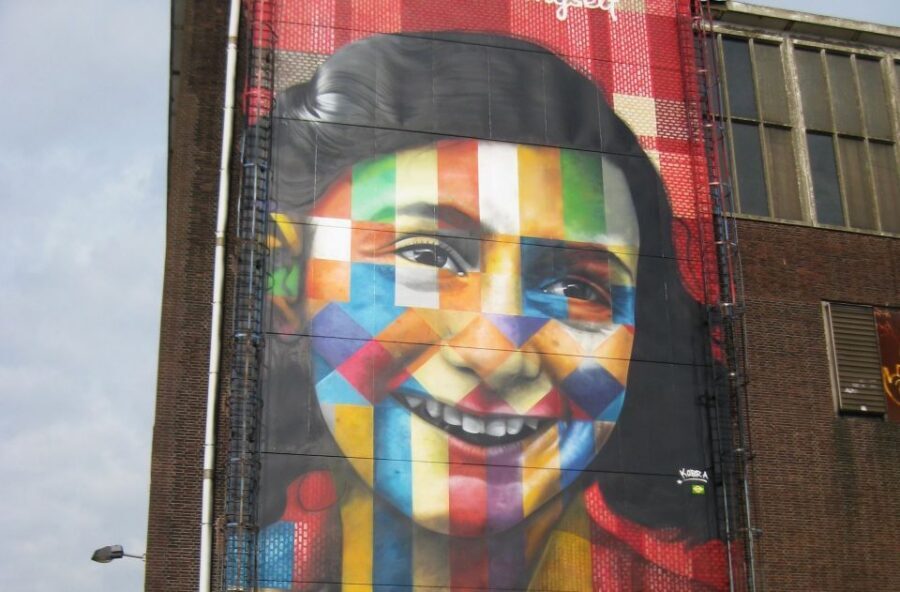
The stop at the Auschwitz Monument is a key emotional turning point. Even within a guided walk, the mood shifts here, because the narration moves from neighborhood life to the scale of the Holocaust. This isn’t framed as sensational history. It’s presented as a memorial and a reminder of the violence that overtook ordinary places.
Many people come to Amsterdam for the big Anne Frank sites, but this monument stop widens the lens. It connects the story you’re following to the broader truth of genocide—why hiding was not only frightening, but also part of a much larger system.
Plan to stand still for a moment. You’ll likely want a few minutes of quiet before moving on. The tour’s timing is short here—about 10 minutes—but that’s enough for a guided pause if you let it be.
Anne Frank House Area: Close to the Real Place, Without the Admission Pressure
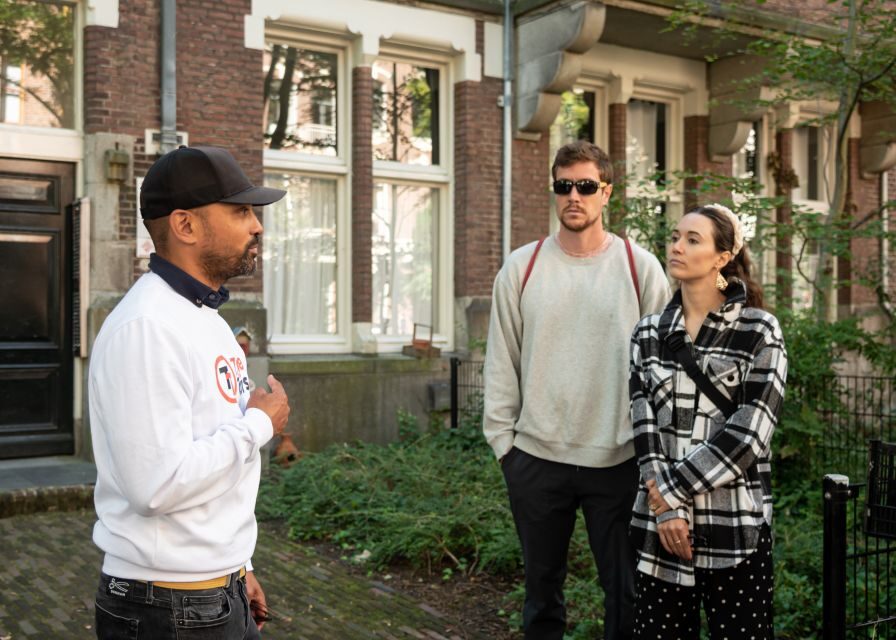
You’ll finish up near Anne Frank House with a 10-minute guided stop. Crucially, this does not include entrance tickets. That’s written clearly in the tour details, and it’s a smart setup if you already plan to visit the house separately (or if tickets are sold out).
Instead of trying to cram museum time into 2 hours, the guide gives you the story beats linked to the house area: Anne Frank’s situation, what her family endured, and how the diary became a lasting witness after the war.
For many people, this is the best kind of “Anne Frank approach”: you get a guided understanding of the significance of the place without the stress of lining up for entry as part of the tour. If your heart is set on going inside, treat this as a focused orientation that makes a separate ticket visit more meaningful.
Plantage District Finish: From Neighborhood Roots to Lasting Memory
The last segment lands in Plantage, Amsterdam. This area rounds out the story by reminding you that Jewish life and community history weren’t limited to one street or one famous address. Plantage helps you see Amsterdam as a place shaped over time—before the war and after it.
This finish also gives you room to think about the long aftermath. The diary’s publication after the war is part of that arc in your guide’s story, as is the idea that memory doesn’t stay in the past. It becomes part of how cities tell the truth.
The walking here can be the difference between a tour that feels like a checklist and one that feels like a route. If you keep your energy up and wear good shoes, you’ll finish with a clearer mental map of where history lived.
Price and Logistics: Is $21 Actually Good Value?
At $21 per person for 2 hours, the value is mostly in the guide and the focus. You’re paying for someone to connect the WWII story to the exact places you walk past—especially the way your guide ties together Anne Frank’s family story with wider events like the February strike and the hunger winter.
Your guide is included, and the format can be a private or small-group tour, depending on the option you choose. That matters because the Anne Frank story is heavy. Smaller groups tend to make questions easier and the tone more comfortable.
The one cost you should plan for is that Anne Frank House entrance is not included. If you want the full interior experience, you’ll need to budget separately. Still, as a standalone guided walk, $21 feels fair because the tour doesn’t rely on museum entry fees to justify itself—it relies on storytelling and location.
Also note the mismatch in accessibility info. The activity details list wheelchair accessibility, but it also states it is not suitable for wheelchair users. If accessibility matters for you, don’t assume—confirm directly before you go.
Who Should Book This Tour (and Who Might Want a Different Fit)
This walk is a great fit if you want:
- A time-efficient way to understand Anne Frank and Amsterdam in WW2
- A neighborhood approach that covers more than one famous address
- A guide-led story with room for questions
It may be less ideal if:
- You need a museum-heavy day with lots of indoor time
- You’re expecting Anne Frank House admission as part of the tour
- You’re dealing with mobility limits and long stretches of walking
It’s also a good option for families and teens who are curious but want the story explained with human context. In the past, this tour has landed well with groups that asked lots of questions and wanted the guide to slow down when needed.
Final call: Should you book the Amsterdam Anne Frank walking tour?
Yes, if you want to understand the why behind the famous sites, not just stand in front of them. This tour’s best strength is how it connects Anne Frank’s diary story to the real neighborhoods where Jewish life—and wartime pressure—played out.
I’d book it if:
- You’re short on time in Amsterdam and want maximum meaning per hour
- You appreciate guided context around the Jewish Quarter, Plantage, and memorial sites
- You’re okay with not entering Anne Frank House during the tour (and plan for tickets separately)
I’d skip or swap plans if you specifically want a full Anne Frank House entry as part of a single timed experience. In that case, make the house your anchor first, then use a guided walk like this for pre-visit context.
FAQ
How long is the Amsterdam Anne Frank walking tour?
It lasts about 2 hours.
Where do I meet my guide?
The meeting point may vary by the option you book, but the tour information also points to Waterlooplein as a starting area. Some starting options list Studio Infinity.
Does the tour include entry to the Anne Frank House?
No. The tour does not include entrance or tickets to the Anne Frank House.
What languages are available?
The live tour guide offers English and Spanish.
Is the tour wheelchair accessible?
The details include both statements: it lists wheelchair accessible, and it also says not suitable for wheelchair users. I recommend confirming with the operator before booking.
What should I bring?
Bring comfortable shoes, since it’s a walking tour. You may also want to bring water and dress for the weather, since you’ll be outside for most of the experience.