REVIEW · AMSTERDAM
Amsterdam bike tour with a French-speaking guide local!
Book on GetYourGuide →Operated by Amsterdam Velo - Tours en Francais · Bookable on GetYourGuide
Pedal power beats wandering every time. This French-led bike tour shows you Amsterdam’s key neighborhoods fast, with small groups and storytelling from a French-speaking local guide. You start near Central Station and end with a clear sense of where to go next.
What I like most is the blend of city history and everyday life, not just photo stops. In French groups like this, guides such as Yago and George are praised for making the ride feel lively and practical, so you actually understand what you’re seeing. The one drawback to plan around: ponchos and bottle water aren’t included, so bring your own if the weather looks moody.
In This Review
- Quick hits before you book
- Why this bike tour is a smart first move in Amsterdam
- Getting rolling at IJdok 47 and using Batavus bikes the right way
- The French-guide advantage: history you can feel while you ride
- What 2.5 hours actually buys you in Amsterdam time
- The route: a guided sweep through neighborhoods you’d skip
- IJdok to the museum side: orientation near Central Station
- Dam Square to Westerkerk: the city center, explained simply
- De Negen Straatjes and Haarlemmerbuurt: learning the city between icons
- Anne Frank House area: personal history in the middle of a working city
- Grachtengordel canals: Dutch architecture secrets while you’re moving
- Jordan and the old Jewish quarter: understanding how neighborhoods live
- Vondelpark and back to IJdok 47: a finish with real next-step ideas
- Hand brakes, not foot brakes: a small gear detail with a big comfort impact
- Price and value: why $41 for 2.5 hours can be a deal
- Who should book this tour (and who might skip it)
- Should you book this Amsterdam Velo bike tour?
- FAQ
- How long is the Amsterdam bike tour?
- What language is the tour offered in?
- Where do I meet the guide?
- Is the bike rental included in the price?
- What kind of bikes are used?
- Are helmets included?
- Can children ride with baby seats?
- Can I leave luggage before or after the ride?
- Does the tour include anything besides the bike ride?
- Is there an electric bike or tandem option?
- What should I bring since ponchos and water aren’t included?
Quick hits before you book
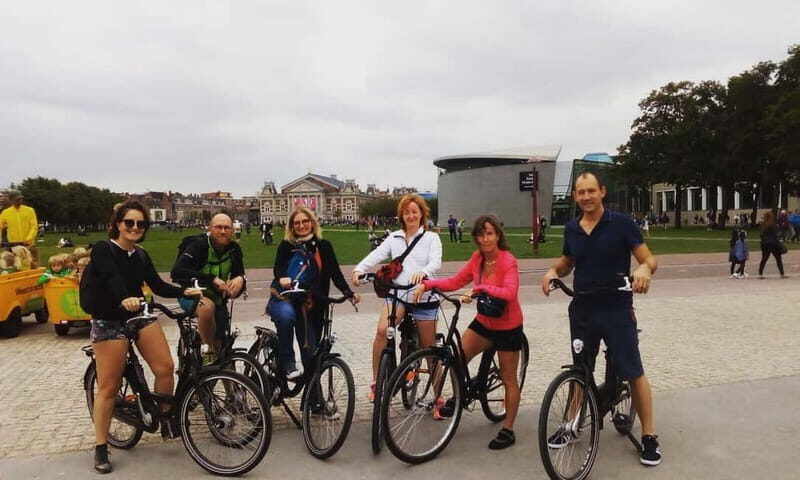
- French-speaking local guides with a small-group feel (max 12 per guide)
- Hand-brake Batavus bikes plus luggage racks for a water bottle and day bag
- A smart first-day route through districts you’d miss on your own
- Canal-and-architecture focus with lessons on daily life and cultural differences
- Family-friendly options: child seats available, helmets if needed
- Post-tour benefits: a 10% discount on bike rental after the tour
Why this bike tour is a smart first move in Amsterdam
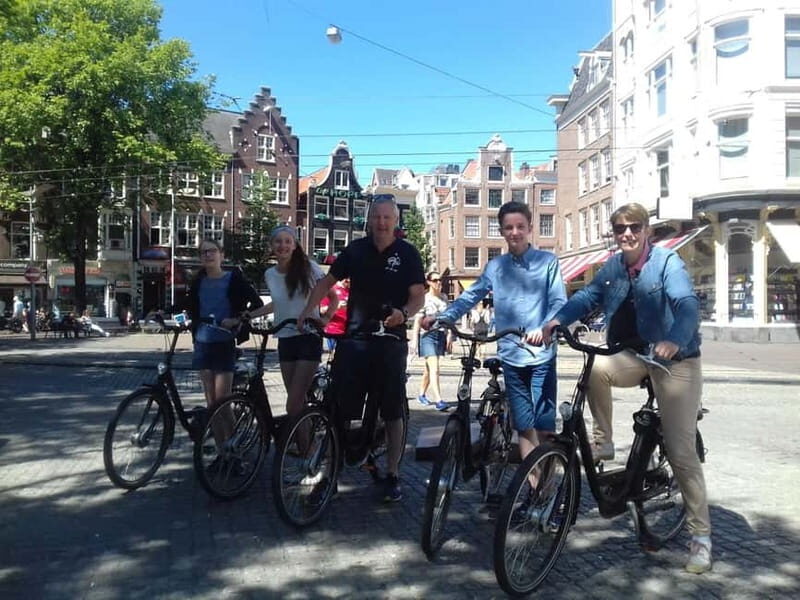
Amsterdam is flat, walkable, and bike-famous. But it’s also easy to get turned around, especially the first day when your only goal is to stay oriented. This tour is built for that exact moment: you get a guided “big picture” sweep so later neighborhoods feel less like a maze and more like a map you understand.
You’ll also notice the difference between riding randomly and riding with context. Your guide isn’t just pointing at buildings. The route is paired with explanations about Amsterdam’s history, cultural differences, and daily life—so the city starts making sense while you’re moving.
You can also read our reviews of more cycling tours in Amsterdam
Getting rolling at IJdok 47 and using Batavus bikes the right way
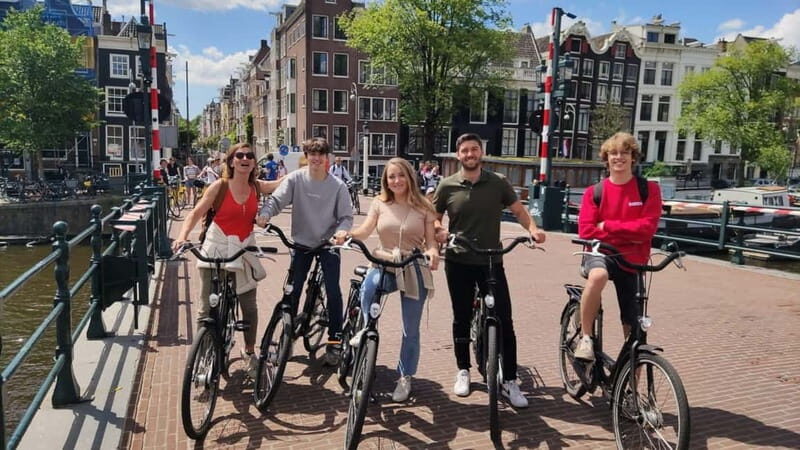
The meeting point is IJdok 47, near Central Station (Centraal Station Amsterdam). That’s convenient because it means you can line up your tour right after you arrive—no long transfers, no complicated logistics.
Once you’re suited up, you ride Dutch Batavus bikes in a range of sizes. You also get bikes with hand brakes under the handlebars, plus luggage racks (useful if you brought a daypack). Helmets are included if needed, and child baby seats are available for both smaller and bigger children.
Two practical considerations:
- This tour is not electric-bike focused and not tandem or cargo-bike oriented.
- It’s designed for riders from age 8 and up, so if you’re traveling as a family, you’ll want to confirm the seat setup fits your kids.
The French-guide advantage: history you can feel while you ride
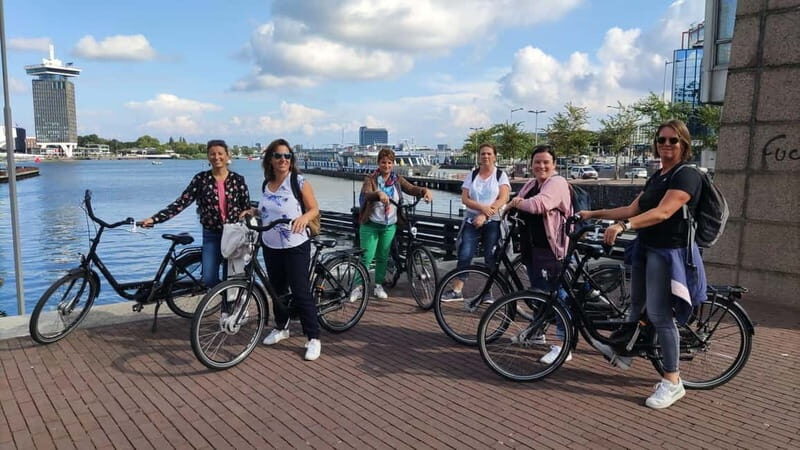
Language matters more than people expect. If you’re only catching a few words in English or relying on guesswork, you miss the point of a guided tour. Here, everything runs in French, and the goal is clarity: you learn what you’re looking at and why it matters.
The standout is how the guide connects architecture and neighborhoods to real life—what Dutch culture looks like in day-to-day habits, plus how history still shapes how people move through the city. That’s why reviews highlight guides like Yago and George for giving relevant info and mixing history with anecdotes that keep the ride flowing.
If you speak French comfortably, this is one of those activities that can make the rest of your trip easier because you’ll understand what you’re seeing later when you go back on foot or by bike.
What 2.5 hours actually buys you in Amsterdam time
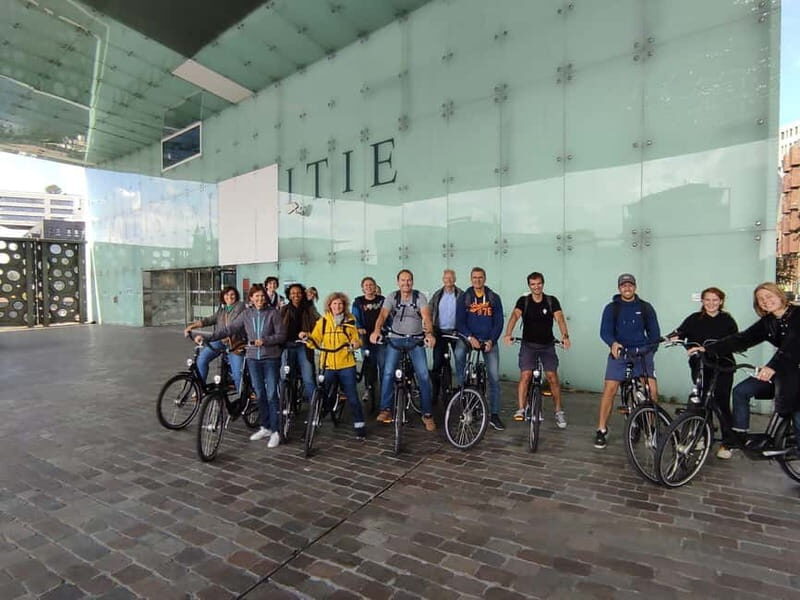
A 2.5-hour format is a sweet spot. Long enough to cover multiple districts and canal areas, but short enough that you don’t feel like your whole day is locked up.
You also get two departures each day, 10:30 a.m. and 1:30 p.m. That flexibility helps if your schedule is anchored to museum or Anne Frank House opening times later. Starting early is a smart move because you’ll collect directions for where to explore next.
The route: a guided sweep through neighborhoods you’d skip
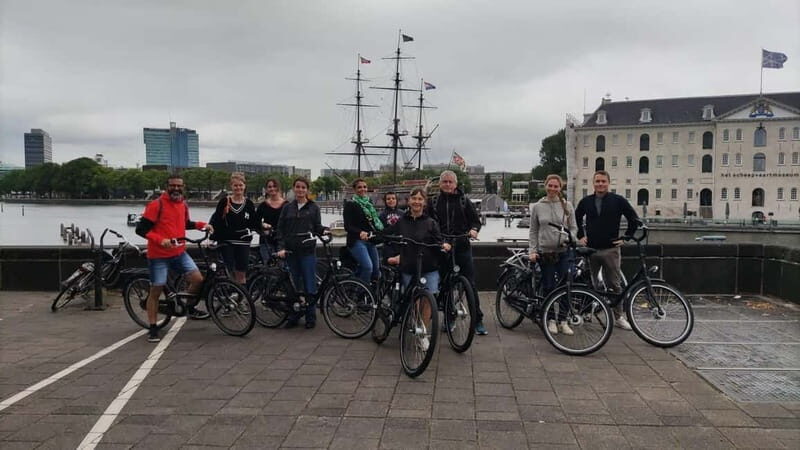
This ride doesn’t stick only to the most famous center. The goal is to take you through districts where you’ll get a fuller sense of how Amsterdam is stitched together—by canals, street patterns, and local rhythms. Expect the tour to cover:
- Westerdok district
- Jordan
- Main canals
- Museum district
- Old Jewish quarter area
- Vondelpark
…and then circle back to the starting point.
The value here is “coverage with meaning.” You’re not just collecting landmarks. You’re collecting explanations: how Amsterdam developed, how culture shows up in daily life, and what makes Dutch architecture feel distinct when you see it in motion.
You can also read our reviews of more guided tours in Amsterdam
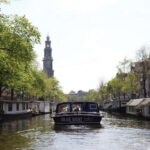




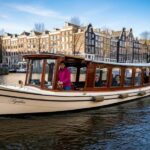
IJdok to the museum side: orientation near Central Station
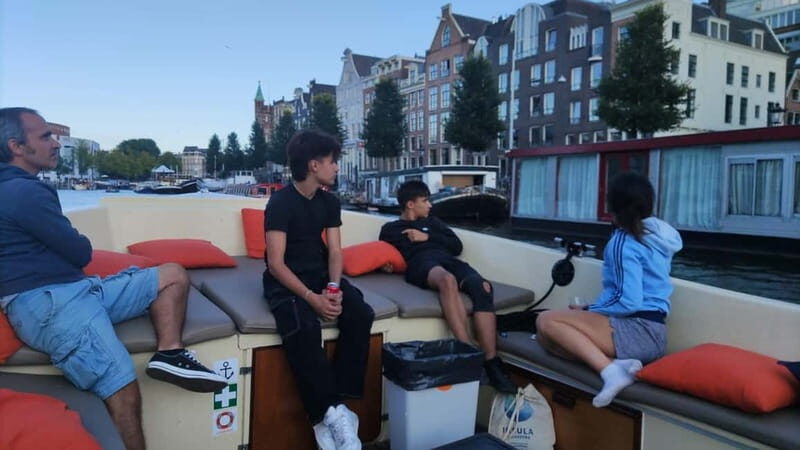
You begin at IJdok 47, close to Central Station, which is great for orientation. Starting near the transport hub also gives you a quick sense of how Amsterdam’s visitor routes connect with local neighborhoods.
As you head toward the Museumkwartier area, your guide typically uses this early stretch to set the tone: where people gather, how districts connect, and what to pay attention to as you pedal past canal structures. This “warm-up” part helps you get comfortable on the bike before the ride becomes more visually intense.
If you’re the kind of traveler who likes to understand cities by design—street layout, water geography, and the way neighborhoods relate—this first part is where you start building that mental map.
Dam Square to Westerkerk: the city center, explained simply
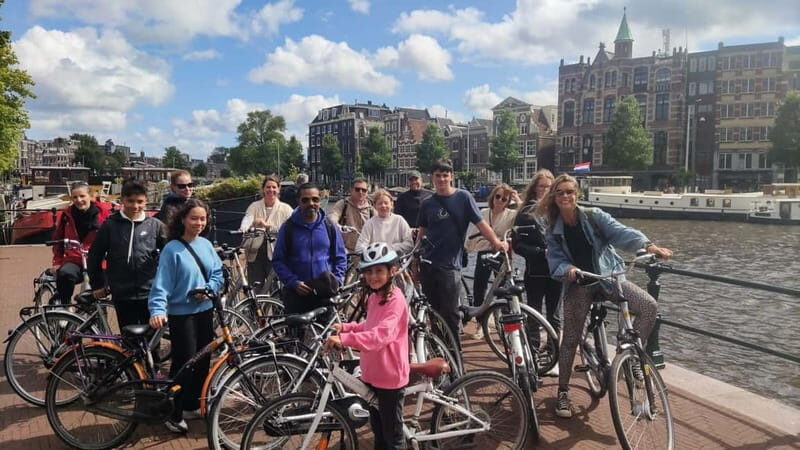
Next up is Dam Square, one of the most central and recognizable places in Amsterdam. In a bike tour like this, Dam Square isn’t just a stop for a quick photo. It’s a setup for understanding how the heart of the city works—historically and socially.
Then you ride toward Westerkerk. The benefit of hitting this area by bike is scale. Buildings and churches can feel overwhelming when you only view them from one angle. From the saddle, you see how streets open and how the city moves around major landmarks.
A small consideration: center areas can feel busier in general. The guide’s job is to keep the ride organized so you don’t feel like you’re threading through the city blind.
De Negen Straatjes and Haarlemmerbuurt: learning the city between icons
You’ll pedal through De Negen Straatjes and Haarlemmerbuurt as part of the wider picture. Even without turning this into a shopping-focused tour, these neighborhoods matter because they show Amsterdam beyond the “big headline” sights.
This is where a good guide earns their keep. You’ll learn cultural differences and how daily life shows up in the streets: what people prioritize, how neighborhoods feel lived-in, and how Amsterdam’s history shows itself in the built environment.
If you normally find that busy sightseeing makes you feel rushed, this section is likely to feel calmer because the focus is on understanding the city’s logic, not ticking off more monuments.
Anne Frank House area: personal history in the middle of a working city
The tour includes the area around Anne Frank House. With places like this, the value of a guided bike route is perspective. You’re seeing how a significant historical site sits inside a city that continues to function—residential streets, movement, daily routines, and all.
Your guide’s role here is especially important: tying the site to broader Amsterdam history and daily life so it doesn’t feel like a standalone stop. You come away with context you can carry into your future plans, whether you decide to visit the museum area later or keep it as a learning stop.
Tip for your trip planning: if you’re hoping to go into the house/museum area separately, it helps to know roughly what the surrounding streets feel like before you arrive.
Grachtengordel canals: Dutch architecture secrets while you’re moving
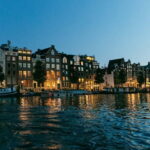
The route also heads through Grachtengordel, the canal belt area. This is one of the best parts to experience by bike, because canals are about relationships: water plus bridges plus street sides plus changing viewpoints.
Your guide explains canal and architecture details—what makes Dutch design feel recognizable, and what you can notice if you pay attention. Moving slowly enough to observe is key, and that’s why a guided pace helps. Amsterdam’s beauty isn’t only in one view; it’s in the way patterns repeat and shift across streets.
If you like photographing, you’ll likely want to take a few minutes to stop afterward and look again from ground level. The tour gives you the angles; your own extra time turns it into memorable shots.
Jordan and the old Jewish quarter: understanding how neighborhoods live
You’ll ride through the Jordaan and the old Jewish quarter of Amsterdam. These areas are often where Amsterdam feels most human-scale—less like an open-air postcard and more like a place where people actually live their routines.
Your guide weaves in history and cultural differences, but the goal isn’t to overload you with dates. It’s to help you recognize how neighborhoods function: how residents move, what the streets communicate, and why the city’s layout feels the way it does.
The practical takeaway is this: after the tour, you’ll have a short list of streets and zones you’ll want to walk later because you already understand the logic behind them.
Vondelpark and back to IJdok 47: a finish with real next-step ideas
The tour touches Vondelpark, then returns to IJdok 47. Finishing with a change of pace—more open feel, more local atmosphere—helps your brain absorb everything you’ve learned during the ride.
Before you go, the guide also offers recommendations for what to do next on foot: Dutch restaurants, brown cafes, bars, and neighborhoods worth exploring. You’ll get maps with good deals, and there’s even the option to leave luggage while you’re out biking, which makes your afternoon plans less stressful.
It’s a small thing, but it matters. Amsterdam can be complicated for first timers. Leaving with a direction you can actually trust is one of the real values of a local-guided experience.
Hand brakes, not foot brakes: a small gear detail with a big comfort impact
One detail you should take seriously: the bikes use hand brakes, not foot brakes. That’s not a problem for most people, but if you normally rely on foot braking, you’ll want a quick moment to get used to the feel.
The good news is that the bike setup includes basics that keep the ride comfortable:
- luggage rack for your day bag or bottle area
- multiple bike sizes
- baby seats if needed
- helmets if necessary
This tour is designed for confidence. You’re not fighting awkward equipment while trying to take in the city.
Price and value: why $41 for 2.5 hours can be a deal
At $41 per person for 2.5 hours, the biggest value is that bike rental is included. For Amsterdam, that alone shifts the math. You’re not paying separately for wheels, and you’re not stuck renting something that doesn’t match the ride style of the route.
You also get:
- a French local guide
- a route that covers multiple districts (including main canals and museum side)
- a small-group size capped at 12 people per guide
- after-tour recommendations and map guidance
- possible luggage storage around arrival/departure
If you’re thinking of spending your first day hopping between neighborhoods without a plan, this price looks more like a shortcut than an expense. You buy time and clarity.
Who should book this tour (and who might skip it)
This is a great fit if you:
- want a first-day orientation that helps you explore afterward without getting lost
- want your tour in French
- prefer small groups rather than a bus-load vibe
- like learning how cities work—history + culture + daily life—not only sights
You might choose something else if you:
- want an English-language tour
- strongly prefer electric bikes (not part of the standard setup)
- are traveling with a bicycle type that’s not supported (like tandem or cargo-bike configurations)
Also, if rain is common during your dates, plan like a local: bring your own rain cover. Ponchos aren’t provided.
Should you book this Amsterdam Velo bike tour?
Yes, if you want to understand Amsterdam early and move with confidence. The small-group size, French local narration, and the mix of central sights plus less-expected districts make this a useful “city primer.” It also helps that the bike rental is bundled, and that the tour ends with practical recommendations for what to do next.
If you’re arriving and you’d rather spend your first day learning the city’s logic than just drifting, this is the kind of tour that can pay off for the rest of your trip.
FAQ
How long is the Amsterdam bike tour?
It lasts 2.5 hours.
What language is the tour offered in?
The tour is guided in French.
Where do I meet the guide?
You meet at IJdok 47, near Central Station (Centraal Station Amsterdam).
Is the bike rental included in the price?
Yes. The price includes bike rental, and the bikes are included in the tour fee.
What kind of bikes are used?
The bikes are Batavus bikes and have hand brakes under the handlebars (not foot brakes). Bike sizes are available for ages 8 and up.
Are helmets included?
Helmets are included if necessary.
Can children ride with baby seats?
Yes. Baby seats are available for small and big children.
Can I leave luggage before or after the ride?
Yes, it’s possible to leave your suitcases/luggage while you cycle around.
Does the tour include anything besides the bike ride?
You’ll receive a list of recommendations for restaurants, brown cafes, bars, and neighborhoods to visit on foot, plus maps with good deals. A boat/aperitif option is mentioned separately for French speakers.
Is there an electric bike or tandem option?
The standard offering does not include electric bikes, tandems, or cargo bikes (cargovelo).
What should I bring since ponchos and water aren’t included?
Bring your own poncho/rain protection and water if you think you’ll need them, since those aren’t included.