REVIEW · AMSTERDAM
Amsterdam Old City Private Walking Tour
Book on GetYourGuide →Operated by Stadswandelkantoor · Bookable on GetYourGuide
Cold streets. Big stories.
This private Amsterdam Old City walk works because it’s history with real street context, not a list of monuments. I especially like how the guide ties the city’s rise to practical details like reclaimed land, mud, and an almost-inaccessible harbor—then connects that to the 17th-century boom you still see in merchant houses and canal design. The second thing I like is the way the route includes places most people miss, so you get a feel for everyday Amsterdam as well as the famous postcard spots. The only real consideration: with just 2 hours, it’s an overview sprint—great for orientation, but not long enough if you want museums, heavy photo stops, or long interior time.
You’ll start at Amsterdam Central Station (in front of the main entrance), then follow a medieval-to-canal storyline through neighborhoods like the old center, the Jordaan area, the Begijnhof, the former Jewish district, and on toward Nieuwmarkt and Chinatown. The tour is private for your group (up to 10) and run in English, Dutch, or German, with wheelchair access and no oversized luggage.
In This Review
- Key moments that make this tour worth it
- Two hours of old Amsterdam, built for how you actually walk
- Starting at Amsterdam Central without the hassle
- The city’s origin story: reclaimed swamp to world power
- Medieval center and the parts of the old city wall
- Old Church and Oude Manshuispoort: historic details that change your eye
- Canal walking on Herengracht and why trade shaped everything
- Oostindisch Huis and the East India Company power map
- Jordaan merchant houses: read the street, not just the skyline
- Begijnhof women’s homes: a quieter pocket with a sharp story
- From the former Jewish district to Nieuwmarkt and Chinatown
- Red Light District on foot: what this stop should feel like
- Price and value: $265 per group up to 10 for 2 hours
- Who should book this Amsterdam old city private walk?
- Should you book it? My straight answer
- FAQ
- How long is the Amsterdam Old City Private Walking Tour?
- Where do we meet?
- What does the tour cost?
- Is it a private tour?
- What languages are available?
- Is wheelchair access available?
Key moments that make this tour worth it
- Reclaimed land and harbor limits: Learn how Amsterdam grew out of swampy mud and tough access to the North Sea.
- Medieval center + visible city-wall remnants: You’ll walk through the oldest bones of the city rather than just scenic streets.
- Old Church and Oude Manshuispoort: Specific historic stops that help you read the city like a timeline.
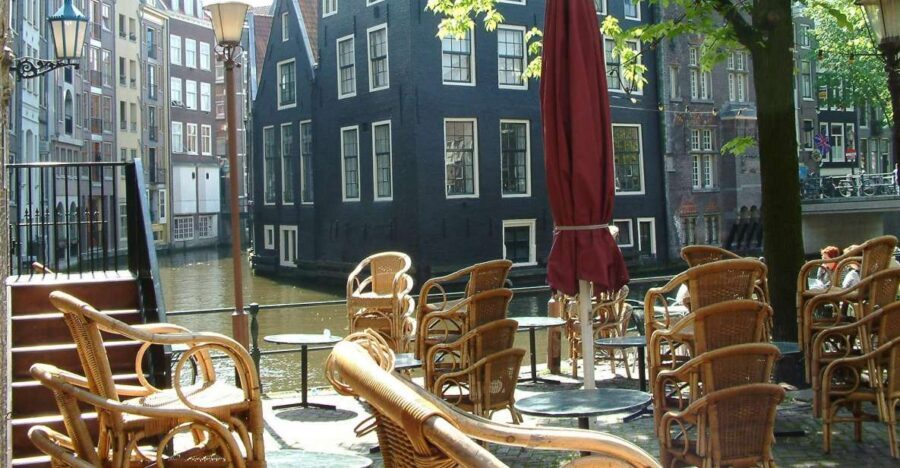
- Canals and the East India Company footprint: The Herengracht area and the 17th-century Oostindisch Huis explain power, trade, and science.
- Begijnhof women’s homes: A quiet contrast to the bustle, with its own special social history.
- Nieuwmarkt to Chinatown, then Red Light District: You cover the city’s biggest cultural and headline zones in one focused loop.
Two hours of old Amsterdam, built for how you actually walk
A two-hour private walking tour is a smart format for a city like Amsterdam. You get motion, fresh air, and constant visual context—canals, façades, doorways, and street layout all do the teaching. And because it’s private, your guide can slow down when something catches your eye or speed up when you’re more interested in quick facts and clean direction.
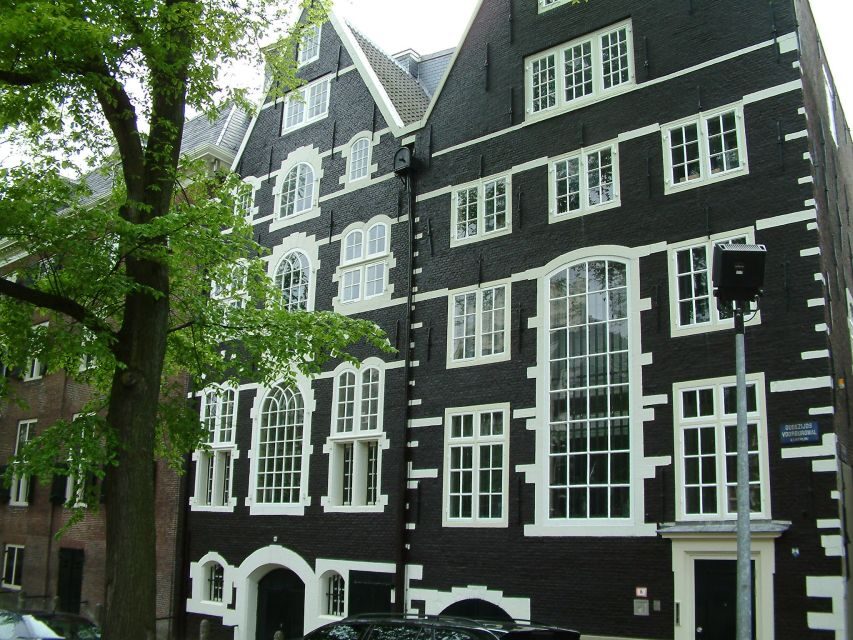
This one is aimed at people who like architecture and history, not people who need a museum ticket. That’s a plus. In Amsterdam, the streets themselves are the exhibits. You’ll be seeing preserved merchant houses along the canals, plus layers from different eras that still shape how you move today.
You can also read our reviews of more walking tours in Amsterdam



Starting at Amsterdam Central without the hassle
You meet at Amsterdam Central Station, in front of the main entrance. That matters more than it sounds. When you start at the main hub, you don’t waste time figuring out where to begin or paying for extra transport just to kick off the walk.
One small practical note: the tour doesn’t allow luggage or large bags. If you’re doing this on a travel day, pack light or plan to store bags elsewhere. Walking through tight streets is easier—and faster—when you’re not wrestling with gear.
The city’s origin story: reclaimed swamp to world power
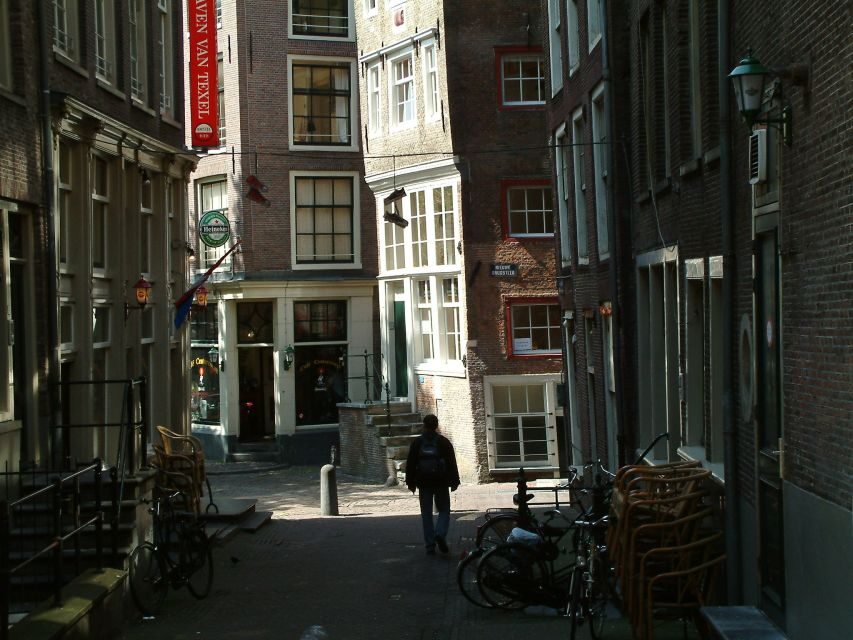
Amsterdam’s origin is one of those facts that changes everything once you hear it. The city was built on reclaimed swamp land. You’re basically looking at a place that had to be engineered into existence, with land buried in mud and a harbor that was nearly inaccessible early on. The North Sea connection didn’t become a reality until the 19th century—yet Amsterdam still became a major world city well before then.
As you walk, your guide explains why that matters. When a city grows under physical constraints, it tends to solve problems with trade, clever infrastructure, and a strong merchant class. That leads directly to the 17th-century prosperity you’ll feel in the canal network and the ornate merchant houses.
And there’s a scale element too: in 1650, the population reached about 220,000, making Amsterdam the 3rd largest city in Europe at the time. That’s not trivia. It explains why you’re walking through a center that feels dense, active, and built to impress—without needing modern skylines to sell you the story.
Medieval center and the parts of the old city wall
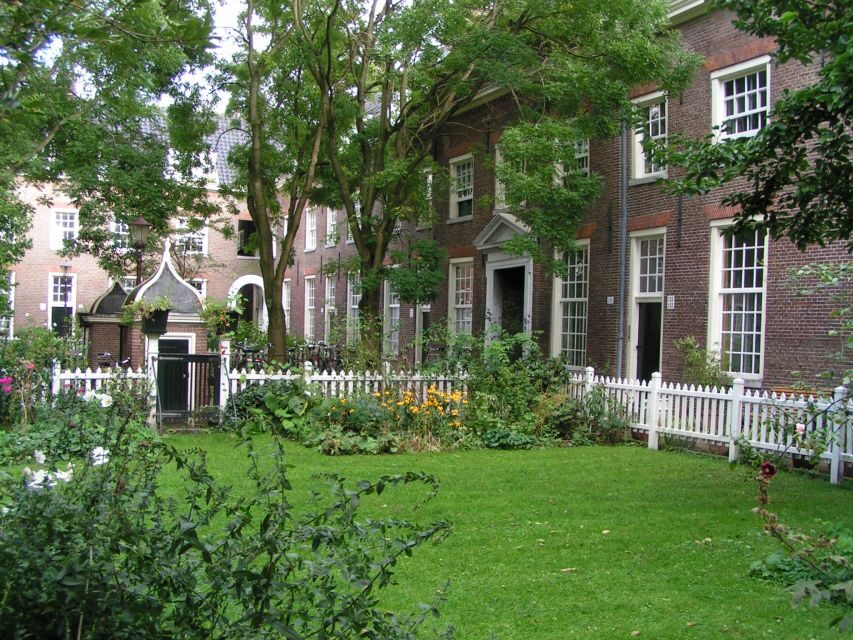
The tour includes a stroll through Amsterdam’s medieval center, with stops tied to the older city layout. You’ll also see sections of the old city wall, which is a rare treat because most visitors never get a clear sense of where defensive boundaries used to be.
This is where a private guide really earns their fee. Instead of you guessing which alley is old and which is just charming, the guide helps you connect street geometry to medieval priorities: movement, access points, and where a growing city chose to fortify.
If you like reading a city like a puzzle, this section is the right kind of satisfying. You walk away thinking in layers: not just what you saw, but what the city needed at the time.
Old Church and Oude Manshuispoort: historic details that change your eye
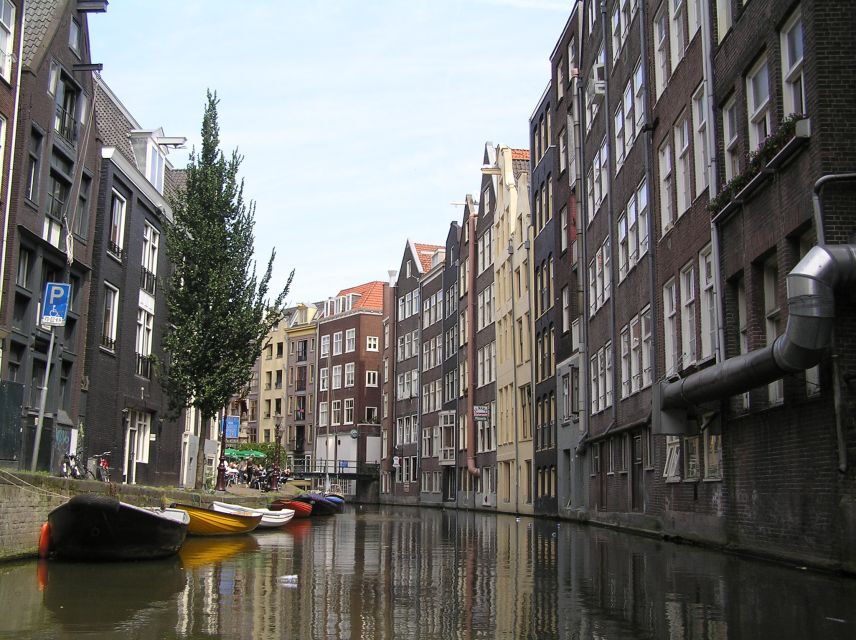
Two named stops make this walk more than a general “old town” ramble: the Old Church and Oude Manshuispoort.
The Old Church gives you a solid anchor for Amsterdam’s deeper past. It’s the kind of landmark that helps you understand how religious and civic life sat side by side in the medieval core.
Oude Manshuispoort, meanwhile, is the type of place that benefits from an expert explanation. When you’re walking by historic structures on your own, it’s easy to miss what they were and why they mattered. Here, the guide ties it to how the city functioned—so the architecture starts to make practical sense, not just aesthetic sense.
This is also where you’ll feel the “decades of city experience” element highlighted in the feedback. The best moments tend to be when the guide points out specific features and then adds the human context around them.
You can also read our reviews of more city tours in Amsterdam





Canal walking on Herengracht and why trade shaped everything
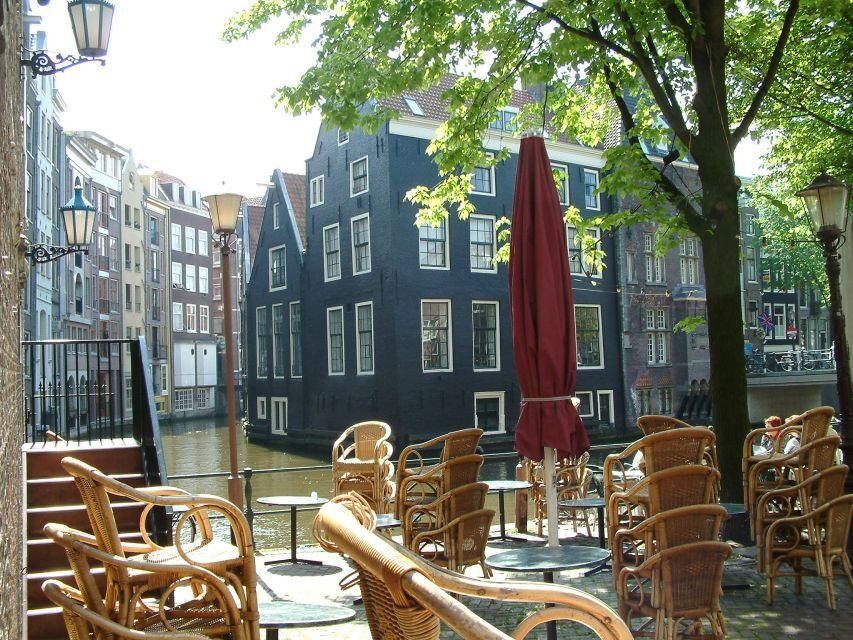
Canals in Amsterdam aren’t just pretty. They’re logistics, prestige, and power—often all at once. This tour includes a walk along the Herengracht, one of the first three major canals of the city. That canal placement is a big part of the story: Amsterdam didn’t just grow; it organized growth in a way that rewarded merchants and public ambition.
On top of that, the guide explains Amsterdam’s position as a major science and cultural center. That may sound surprising until you remember what money and institutions enable. Trade cities tend to attract scholarship, publication, and experimentation—especially when they’re competing in global markets.
This is also the part where you’ll likely understand why certain buildings look the way they do. The canal-front merchant world wanted visibility. It wanted status. And it wanted permanence.
Oostindisch Huis and the East India Company power map
You’ll pass sights like the Oostindisch Huis, the Amsterdam headquarters of the East India Company. Even if you’re not a trade-history person, this stop gives you something tangible: a real sense of how global commerce moved through local streets.
This matters because Amsterdam’s 17th-century rise wasn’t just about being near water. It was about being a broker of goods, knowledge, and influence. The company presence shows how deeply trade was woven into governance, wealth, and city planning.
And it’s not only about big names. In the same broader area of the city story, you’ll hear about everyday commerce too—like old pawn shops and the handsome façades of merchant houses in the Jordaan district. That contrast keeps the tour from feeling too academic.
Jordaan merchant houses: read the street, not just the skyline
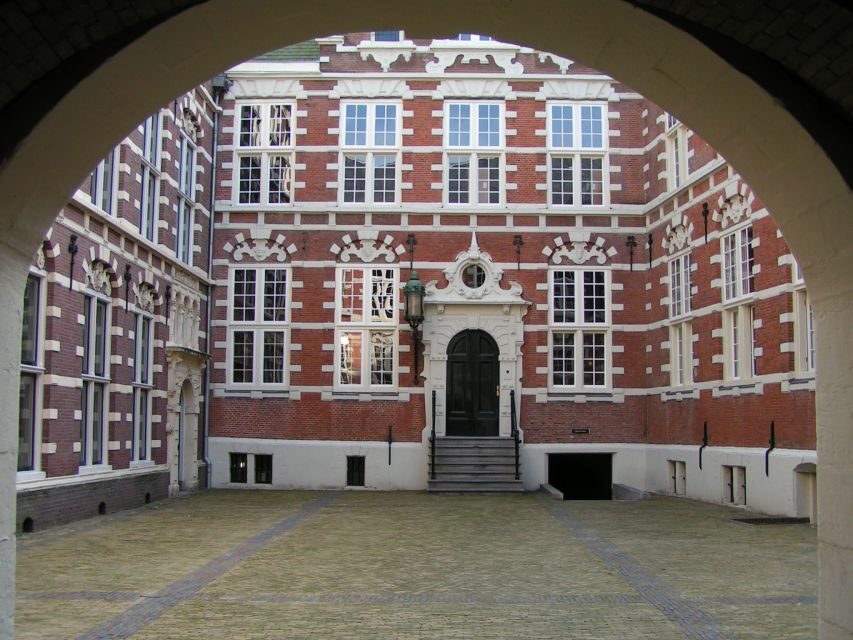
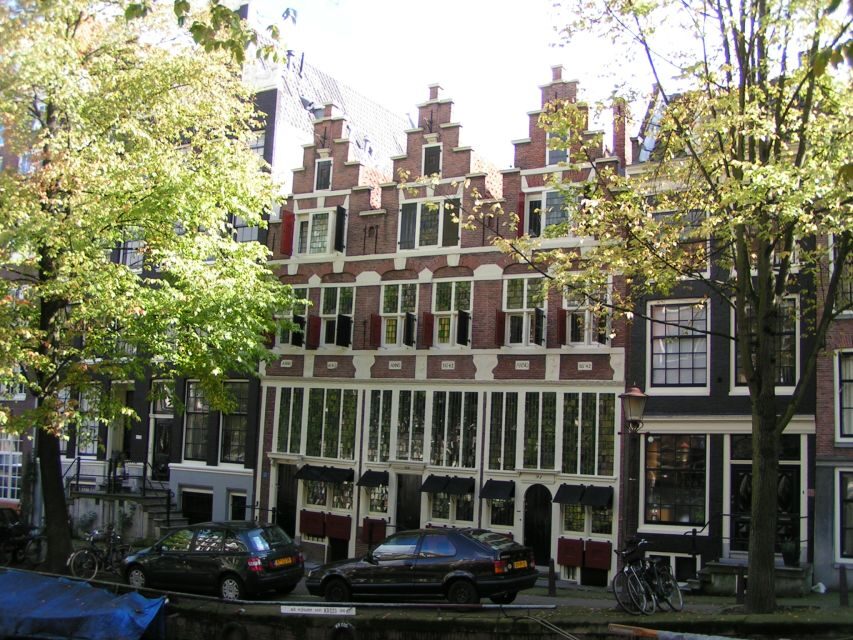
The Jordaan area is a great place to learn how Amsterdam’s merchant class lived and presented itself. Along the way, you’ll see handsome merchant houses and hear about how this neighborhood fit into the city’s commercial rhythm.
This is a section I’d recommend to anyone who’s interested in architecture but gets bored with dry lectures. The street-level details help you visualize wealth in a practical way: size, alignment, the rhythm of windows, and the way buildings relate to canals and routes.
It also helps you compare eras. Amsterdam isn’t one style. It’s an evolving set of choices layered over centuries, with canal wealth and later urban needs leaving visible marks.
Begijnhof women’s homes: a quieter pocket with a sharp story
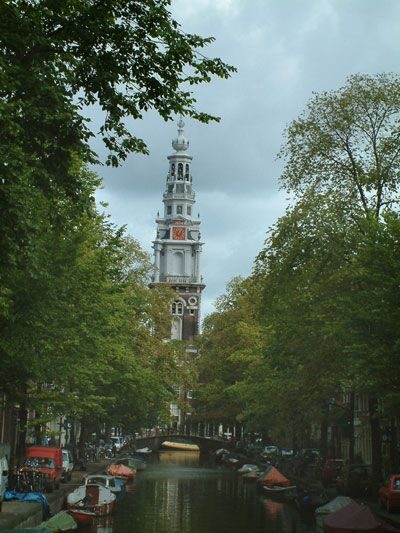
You’ll visit the Begijnhof, known for women’s homes. This stop is valuable because it slows the tour down emotionally. The main streets are loud and famous. The Begijnhof is different: it’s about community structure and a social history you don’t always get in fast city overviews.
In a 2-hour walk, that kind of tonal shift is smart. You get variety without losing momentum. And if you care about how Amsterdam worked as a society—not just how it looked—this is one of the best segments.
From the former Jewish district to Nieuwmarkt and Chinatown
The tour moves through Amsterdam’s older Jewish district and then toward Nieuwmarkt, including Chinatown. That change of neighborhoods is a big part of why the 2-hour format works.
You’re not just touring one chapter. You’re seeing how Amsterdam’s identity keeps getting shaped by different communities over time.
What you’ll like here is the guided framing. Without a guide, it can be hard to know what’s historically meaningful and what’s simply visually interesting. With a guide, you can connect street corners to the broader story of settlement, culture, and city growth.
Nieuwmarkt is also a helpful “hub feeling” stop. Even when you’re not spending time shopping or snacking, the area gives you a sense of how Amsterdam’s multicultural layers sit side by side.
Red Light District on foot: what this stop should feel like
Yes, the tour includes the infamous Red Light District. That’s not an incidental add-on—it’s part of how Amsterdam tells its story, including the tension between tourism, commerce, regulation, and modern city life.
Walking here with a guide can help you keep perspective. You’ll see the headline zone, but you’ll also get context that makes the area less like a theme park and more like a real part of a working city.
The main thing to remember: this is a sensitive area. If you’re uncomfortable with adult-industry surroundings, you can still appreciate the historical and urban context, but you should go in with awareness.
Price and value: $265 per group up to 10 for 2 hours
At $265 per group (up to 10 people) for a 2-hour private tour, the pricing makes the most sense when you’re sharing with friends or family. Divide it among even a small group and it becomes very reasonable for a guide who can tailor the walk to your interests.
The real value isn’t just the access to a guide. It’s the fact that the tour includes multiple themed stops—Old Church, city wall remnants, Begijnhof, Chinatown/Nieuwmarkt, the old Jewish district, and the Red Light District—within a tight time window. A guided route like this saves you from piecing together fragments across the city.
One more detail from the feedback that affects value: the guides tend to bring not only classic history, but also lived context about changes in more recent decades. That kind of “I’ve watched this evolve” perspective is hard to get from a standard audio guide.
If you’re booking solo, it may feel pricey compared with group tours. If you’re splitting cost with others, it starts looking like a bargain.
Who should book this Amsterdam old city private walk?
You’ll get the most out of this tour if you:
- like architecture and want to understand what you’re seeing
- enjoy history that connects past and present (including more recent city changes)
- want a fast way to orient yourself across several major districts
- prefer a private format where the guide adapts to your interests
You might want to skip it if you:
- need long museum time or deep interior access
- hate walking for 2 hours with limited seating breaks
- don’t want any exposure to the Red Light District area
Should you book it? My straight answer
If your goal is to get your bearings and learn how Amsterdam became Amsterdam—built on reclaimed swamp land, shaped by trade, and expressed through canals and merchant houses—then this is a strong yes. The tour’s structure hits the right balance: specific landmarks plus street-level context, and enough off-the-usual-corners energy to keep it feeling authentic.
I’d especially recommend it if you care about the kind of details that don’t show up on every postcard: the old structures like Oude Manshuispoort, the Begijnhof’s social history, and the way the guide stitches Chinatown and the Jewish district into the broader city story.
If you’re only interested in one narrow theme (pure canal photography, or just art museums, for example), you may prefer something more specialized. But for an all-around old city storyline in 2 hours, this private walk is an efficient way to see a lot without feeling rushed.
FAQ
How long is the Amsterdam Old City Private Walking Tour?
It lasts 2 hours.
Where do we meet?
You meet at Amsterdam Central Station, in front of the main entrance.
What does the tour cost?
The price is $265 per group, up to 10 people.
Is it a private tour?
Yes. It’s a private group tour.
What languages are available?
The live guide is available in English, Dutch, and German.
Is wheelchair access available?
Yes, the tour is wheelchair accessible.