REVIEW · AMSTERDAM
Amsterdam: The Life of Anne Frank Walking Tour
Book on GetYourGuide →Operated by Tour Company · Bookable on GetYourGuide
Anne Frank’s story hits differently when you walk the places she knew—especially in the quieter parts of Amsterdam South. I like that this tour focuses on her early life before the Annex, so you get context beyond the headline moments everyone remembers, plus you’ll visit the areas and sites that shaped her as a young girl.
Two things I really appreciate: you’ll see the schools and neighborhoods tied to her growing-up years, and you’ll also visit places connected to the people who helped her, including Miep Gies. One consideration: it’s a walking tour with a small amount of walking, so it may not feel great if you have mobility limits.
In This Review
- Key Takeaways Before You Go
- A Short Walk Through Anne Frank’s Pre-Hiding Amsterdam
- Starting at Merwedeplein 61: Where You Get Your Bearings Fast
- Amsterdam-Zuid at Street Level: Schools, Play, and Daily Life
- The Bookshop Stop: Otto Frank’s Diary Connection
- Seeing the Montessori School Building and Anne’s Learning Places
- Miep Gies’ Home: The Helpers You Don’t See
- Why Amsterdam South Feels Worth It (Even If You’ve Only Got a Little Time)
- Price, Duration, and What You Actually Get for $18
- Comfort Tips: Shoes, Umbrella, and Staying Upright
- The Guide Factor: What Makes This Tour Feel Worth It
- Should You Book This Anne Frank Walking Tour in Amsterdam South?
- FAQ
- How long is the Anne Frank walking tour?
- Where is the meeting point?
- Does this tour include entry to the Anne Frank House?
- What are some of the main places you’ll see on the walk?
- Is the tour wheelchair accessible?
- What should I bring with me?
- Are pets allowed on the tour?
- What’s the cancellation and payment flexibility?
Key Takeaways Before You Go
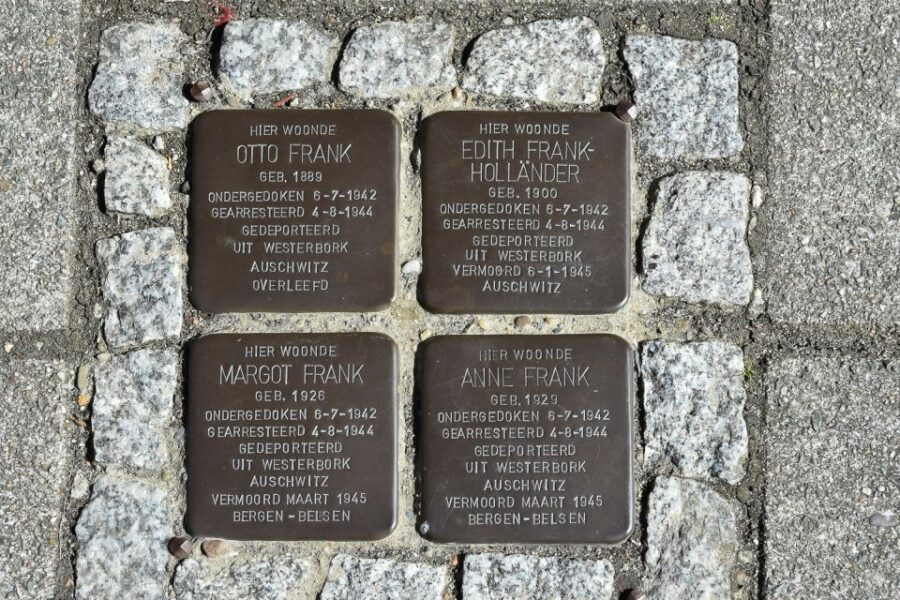
- Amsterdam South focus: You’ll spend your time where many visitors don’t go, in a 1920s–1930s planning style that helps the story feel grounded.
- It’s about the early years: Schools, local streets, and everyday places bring Anne’s pre-hiding life into focus.
- Diary origin stops: You’ll see the bookshop connection to when Otto Frank purchased Anne’s diary.
- Miep Gies’ neighborhood: The tour includes where one of the key helpers lived, not just the best-known hiding-place story.
- Guide-led Q&A energy: The best feedback points to an engaging guide who answers questions clearly and at a useful pace.
A Short Walk Through Anne Frank’s Pre-Hiding Amsterdam
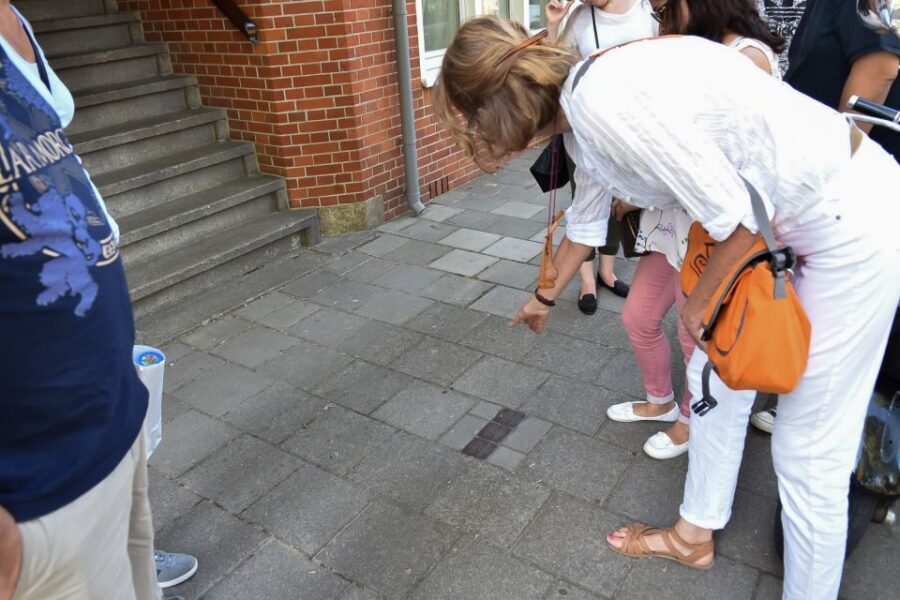
This 1.5-hour tour is built for people who already know the big story, but want the missing pieces: the everyday life that came before fear shut the doors. Instead of focusing on entry tickets and indoor exhibits, you’ll move through the streets where Anne lived, learned, and spent time with her world as it existed in the years leading up to hiding.
What makes it especially worth your time is the emotional order of it. You start with where she grew up, then you travel through the places that help explain how her personality and routines formed. You’re not watching history from behind glass—you’re seeing the city as a setting for real childhood.
The price—$18 per person—also makes sense for what you get: a live English guide, a compact walk, and a theme that most people don’t experience unless they plan multiple stops on their own. And you’re not required to line up for the Anne Frank House to get value out of this.
You can also read our reviews of more walking tours in Amsterdam



Starting at Merwedeplein 61: Where You Get Your Bearings Fast
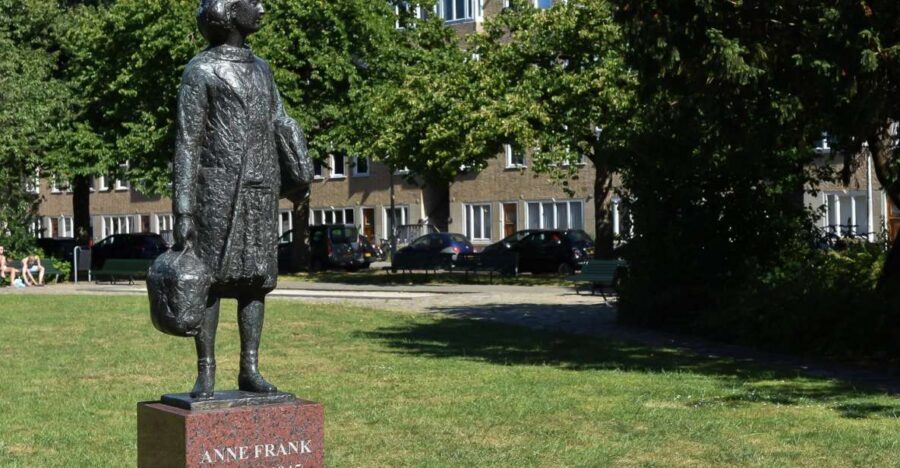
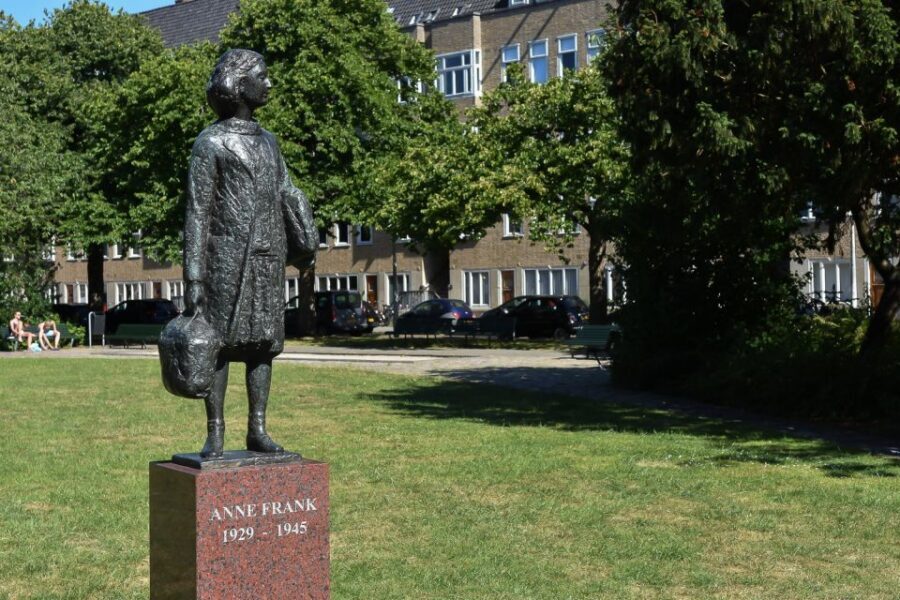
The tour begins at Merwedeplein 61, at Square Merwedeplein in Amsterdam South, in front of the statue of Anne. Starting here is practical: it anchors you right away in the neighborhood context, instead of sending you on a scavenger-hunt across the city.
From the first minutes, you’re getting the point of the walk. Anne Frank was born June 12, 1929, and when her family moved to Amsterdam in 1933, Otto Frank was seeking safety as antisemitism worsened in Germany. Your guide uses that timeline to connect what you’re seeing outside with what Anne was experiencing in her childhood.
If you like walks where the story feels organized—rather than random “look at that plaque” moments—this start helps.
Amsterdam-Zuid at Street Level: Schools, Play, and Daily Life
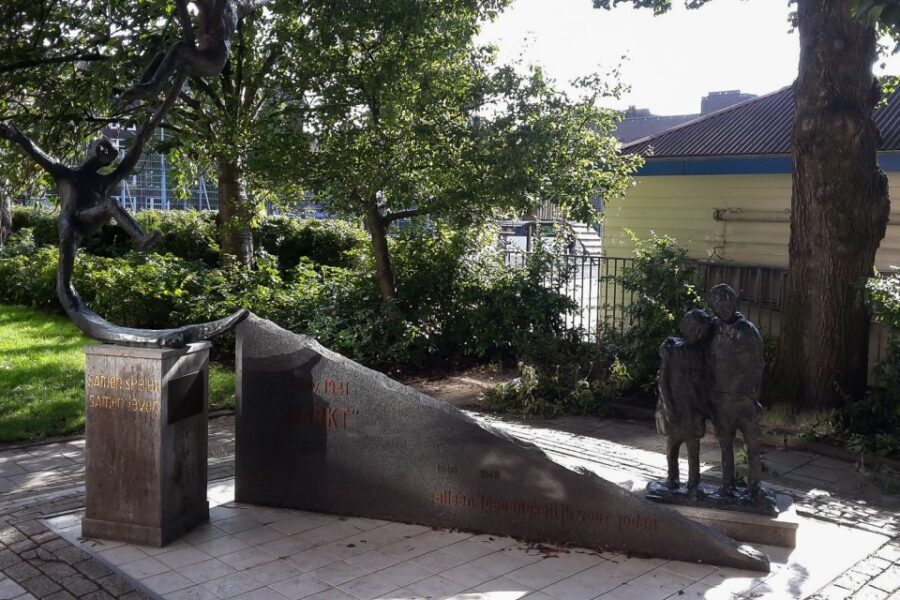
After meeting, you’ll spend the bulk of the time in Amsterdam-Zuid, the part of town that many first-timers skip. You’ll pass through neighborhoods and spots connected to Anne’s early life, including where she attended school and where she spent time as a child.
This is the tour’s strength: you see how a young person’s world is made up of repeated places—classrooms, routes home, local hangouts—not just the moment everything changed. On a standard itinerary, the years before hiding can feel like background. Here, they become the focus.
Also, Amsterdam South matters because of how it was built. The area includes 1920s and 1930s development, with attention to urban planning, architecture, and social housing. You don’t need to be an architecture nerd to appreciate that it gives you a believable sense of the “normal” life Anne grew up in—one that existed in a specific urban style, not an invented backdrop.
The Bookshop Stop: Otto Frank’s Diary Connection
One of the most memorable moments on this kind of walk is when the story turns from names and dates to objects—things Anne actually had. This tour includes the bookstore where Otto Frank bought Anne’s diary.
That detail is powerful because it changes the way you picture the diary. Instead of treating it like a symbolic artifact that appeared out of nowhere, you’re reminded that Anne received it as a child living her daily life. It’s also a nice change of pace: you’re not just hearing about danger and secrecy right away. You’re seeing how ordinary purchases fit into extraordinary outcomes.
If you’re traveling with someone who thinks they already know everything about the Anne Frank story, this stop is often the kind that creates the real “wait, I didn’t think about that” moment.
Seeing the Montessori School Building and Anne’s Learning Places

The tour specifically points you toward the school settings connected to Anne’s childhood. You’ll see the Montessori school building, plus other educational and neighborhood locations tied to her years before hiding.
Why this matters: education is where you often find the “human” Anne most clearly—her routines, her community, and the kind of life a child could have expected. It’s an important counterweight to the later, darker context. And it helps you understand that Anne was not only a symbol; she was a student in a real system with real teachers, classmates, and days.
The practical drawback is simple: you’ll be outside and walking. If you’re hoping for a mostly stop-and-start tour with zero movement, this one does involve a small amount of walking. Plan comfortable shoes and you’ll be fine.






Miep Gies’ Home: The Helpers You Don’t See
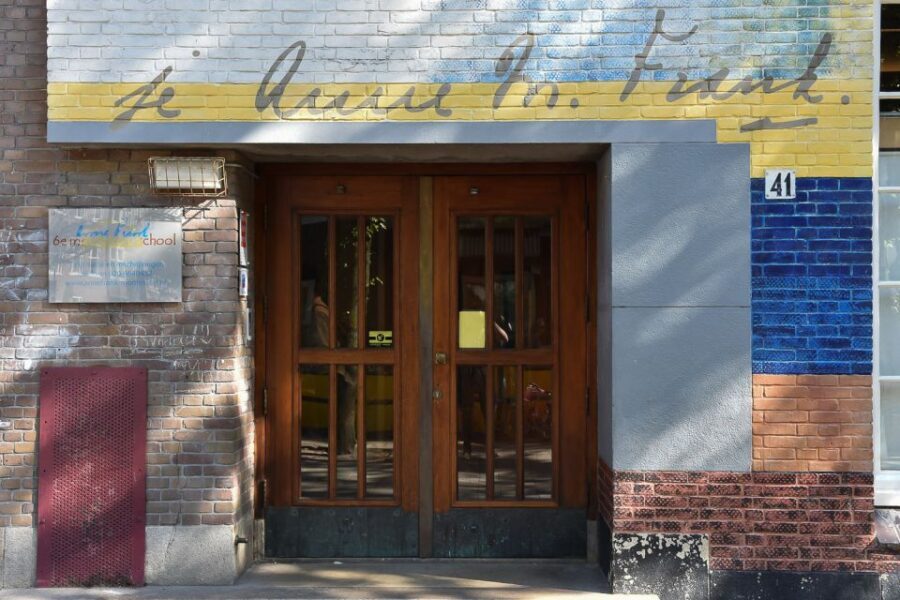
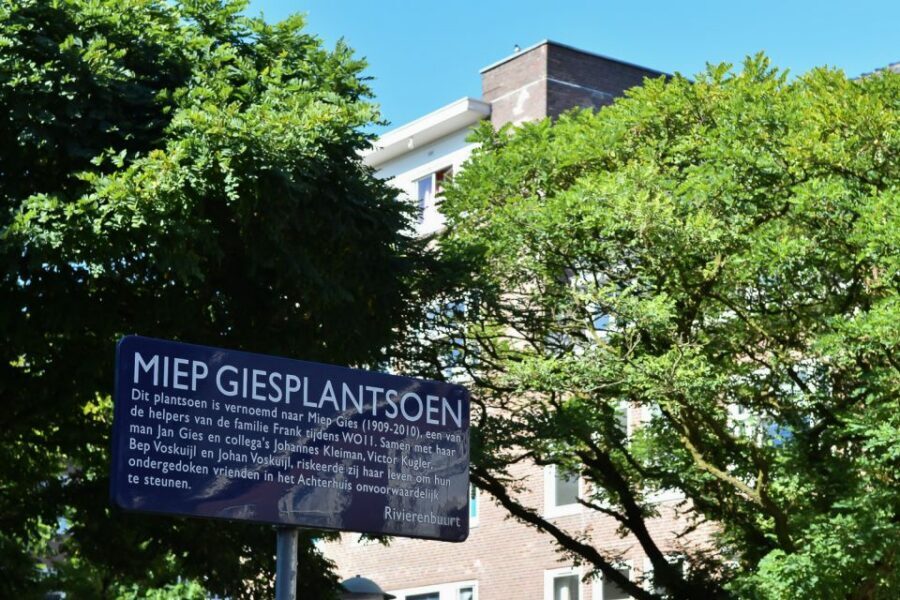
Another standout stop is the home of Miep Gies, one of the family’s courageous helpers. Including her residence (not just the later story around the diary) gives you a more complete view of who played roles in keeping Anne’s world from ending sooner.
This part of the tour is emotionally different. The story doesn’t only revolve around a family in hiding; it broadens to include the network of people who carried risk while also offering steadiness. And while the Anne Frank House is where many visitors go for the famous hiding-place setting, this walk helps you widen your lens to include the human courage that made survival possible.
If you tend to remember stories better when they’re tied to real addresses and places, you’ll likely find this section sticks with you.
Why Amsterdam South Feels Worth It (Even If You’ve Only Got a Little Time)
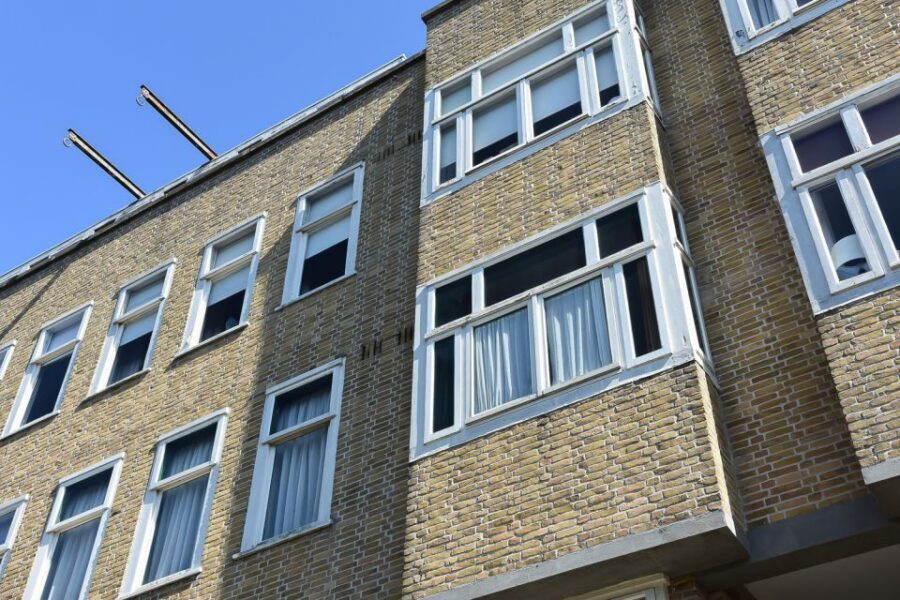
A lot of Amsterdam tours concentrate on the center. This one does the opposite, intentionally sending you into Amsterdam South. That choice pays off because it changes the texture of your day.
Here’s what I think you’ll like about that: you get to experience Anne Frank’s Amsterdam as a normal part of city life, not as a single museum district. And the area’s 1920s–1930s approach to planning and housing adds a grounded sense of place. You can almost picture daily movement—getting to school, walking errands, meeting friends—before the crisis.
It’s also a useful pacing tool. If you’re planning your visit around the Anne Frank House and you’re worried about feeling “story-fatigued,” this tour gives you a different entry point. It’s still connected to Anne, but the tone is more about early life and community than confinement.
Price, Duration, and What You Actually Get for $18
At $18 per person for about 1.5 hours, the value comes down to two things: (1) you’re buying an organized guided narrative, and (2) you’re getting thematic sites you’d be hard-pressed to stitch together quickly on your own without lots of reading.
It’s also important to know the trade-off. This tour does not include entry to the Anne Frank House. You’re walking the neighborhood context, not stepping inside the most famous locations. For many people, that’s a good match—especially if you already plan to visit the House separately or if you want a lighter, less-queue-heavy experience on a tight day.
The duration is tight enough to fit into a normal day plan, but long enough for the guide to connect the dots across multiple stops.
Comfort Tips: Shoes, Umbrella, and Staying Upright
The tour takes place outdoors with some walking, and it’s not set up for people using wheelchairs or for those with mobility impairments. If that applies to you, you’ll want to look for another option designed for accessibility.
If you’re an able walker, plan for comfort:
- Wear comfortable shoes (you’ll be on streets for the whole time).
- Bring an umbrella—rain happens, and an umbrella is advised on rainy days.
- Have a camera if you like to capture street-level details.
No pets are allowed. That’s typical for many walking tours, but it’s good to remember if you’re traveling with a small companion.
The Guide Factor: What Makes This Tour Feel Worth It
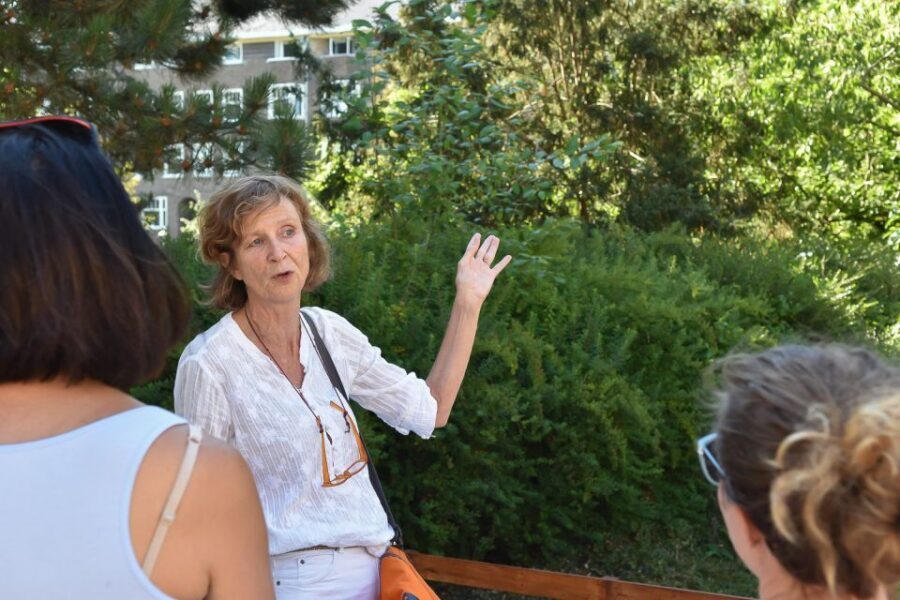
The best feedback you’ll find on this kind of tour is usually about one thing: the guide. Here, the tone in recent feedback is consistently positive—guides are described as energetic and fun, with strong command of the story, and willing to answer questions with enough detail to actually help you understand what you’re seeing.
One verified booking also mentioned the group was just two people (a husband and wife), and the tour ran without cancellation. That’s not something you can count on every time, but it hints at a calmer, more personal experience when the group stays small.
If you’re the type who likes to ask questions—about timeline, the difference between childhood and later events, or why certain stops matter—you’ll likely enjoy the interaction.
Should You Book This Anne Frank Walking Tour in Amsterdam South?
I’d book it if you want Anne Frank’s story in a form that feels practical and place-based. It’s especially good for first-time visitors who already plan to visit the Anne Frank House and want the surrounding context explained clearly, without turning the day into a museum marathon.
Skip it if you’re expecting entry to the Anne Frank House during this tour, or if you need an accessible route for mobility limitations.
If you’re deciding between spending extra time in the main museum area versus getting a neighborhood perspective, this is the type of tour that gives you a different angle—one tied to where Anne lived and what her daily life looked like before everything changed.
FAQ
How long is the Anne Frank walking tour?
The tour lasts about 1.5 hours.
Where is the meeting point?
Meet at Merwedeplein 61 in Amsterdam South, at Square Merwedeplein, in front of the statue of Anne.
Does this tour include entry to the Anne Frank House?
No. This tour does not grant access or allow you to enter the Anne Frank House.
What are some of the main places you’ll see on the walk?
You’ll see the schools and neighborhoods where Anne grew up, the bookstore where Otto Frank bought her diary, and the home of Miep Gies, among other related stops.
Is the tour wheelchair accessible?
No. It is not suitable for wheelchair users and people with mobility impairments.
What should I bring with me?
Bring comfortable shoes, an umbrella, and a camera.
Are pets allowed on the tour?
No, pets are not allowed.
What’s the cancellation and payment flexibility?
You can cancel up to 24 hours in advance for a full refund. You can also reserve now and pay later, and you’ll receive confirmation at the time of booking.