REVIEW · AMSTERDAM
Amsterdam: Guided Off-The-Beaten-Track Walking Tour
Book on GetYourGuide →Operated by Herzblut Amsterdam Stadtführungen · Bookable on GetYourGuide
Amsterdam moves fast, if you let it. This guided off-the-beaten-track walk pulls you from the big sights into the canal lanes, markets, and newer waterfronts that most people never linger on. You’ll get the why behind the city shape, not just a list of what to photograph.
I love the mix of iconic and unexpected stops: Dam Square and Amsterdam’s classic canal belt, then a turn into the Jordaan side streets and the Noordermaarkt area. I also really like the guide format—small group size, and real storytelling from guides such as Anna and Natascha (both praised for friendliness and helpful city context).
One thing to plan for: it’s a 2.5-hour rain-or-shine walking tour in German, and interior access depends on what’s open to the public when you arrive.
5 Key Highlights You’ll Actually Feel
- Small-group pace that makes room for questions and street-level explanations
- Dam Square orientation so you understand what you’re seeing right away
- Canal belt details tied to real spots like Torensluis and the western canal ring
- Jordaan + Noordermaarkt for local streets, shopping streets like the 9 Straatjes, and market-day atmosphere
- Modern Westerdoks and houseboats, so Amsterdam feels like it’s still growing
In This Review
- Beursplein to Dam Square: Starting Where the City’s Story Turns On
- Dam Square Royal Palace, National Monument, and Nieuwe Kerk
- Torensluis and the Canal Belt Story You Can See in Real Life
- Western Islands and Houseboats: Real Daily Life Off the Photo Trail
- Westerdoks and the New Amsterdam Side: How the City Keeps Expanding
- Brouwersgracht and the Warehouse-to-Street Shift Toward Prinsengracht
- Jordaan and Noordermaarkt: Markets, 9 Straatjes, and the Feeling of Being Local
- Anne Frank House and Westerkerk: Big Names, Smaller Canal Atmosphere
- What the Guides Actually Add (Anna, Natascha, Fred)
- Price and Value at $46 for a Small German Group
- Practical Tips Before You Step Onto the Route
- Should You Book This Off-The-Beat Route Through Canals and Jordaan?
- FAQ
- How long is the Amsterdam guided off-the-beaten-track walking tour?
- Where does the tour meet?
- What language is the live guide?
- How big is the group?
- What sights will we see during the walk?
- Will we be able to go inside buildings?
- Does the tour run in bad weather?
- Is the tour wheelchair accessible?
- What should I bring?
Beursplein to Dam Square: Starting Where the City’s Story Turns On
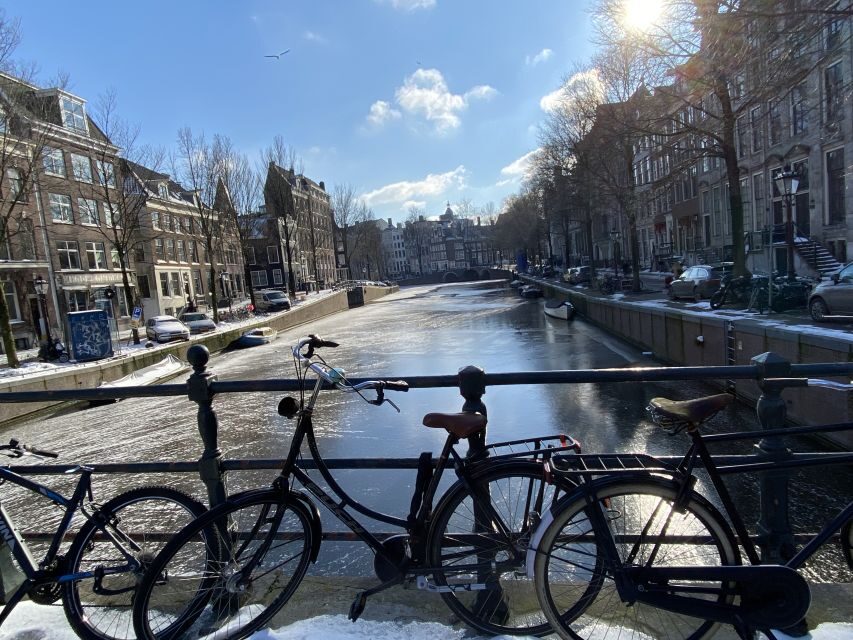
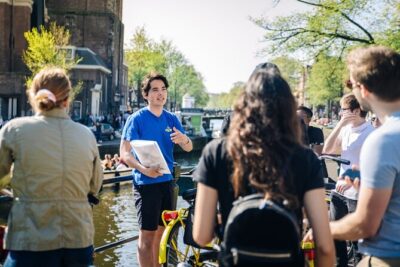
The meeting point is easy to find if you’re coming by train: meet your guide at BEURSPLEIN / Damrak, about 350 meters from Amsterdam Centraal. You’ll spot the tour guide by the black-and-white striped band around their neck. It’s a small-group setup, so you can usually hear the explanations without playing “spot the guide” for too long.
From the start, the tour does something smart: it frames the main landmarks at Dam first, then uses that as your map for everything that comes later. I like this approach because you’re not wandering through the center like a camera on legs. You’re learning how Amsterdam expanded into the trading powerhouse it became.
You’ll also get a practical reality check early. This is a walking route through mixed surfaces and streets that can feel busy around the center, so comfortable shoes matter more than fashion here. The good news is the tour keeps moving at a pace that lets you take photos and still listen.
Dam Square Royal Palace, National Monument, and Nieuwe Kerk
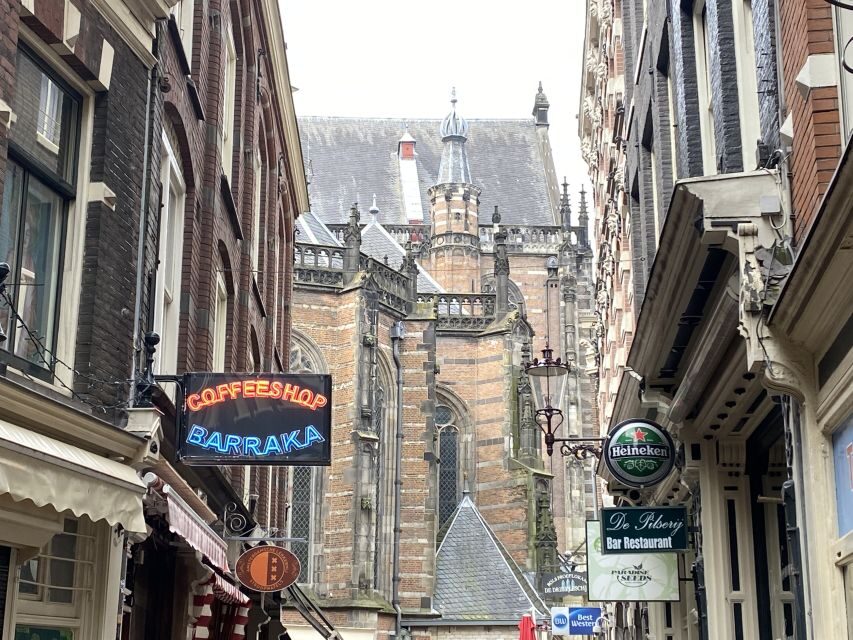
Dam Square is where first-time Amsterdam feelings hit: big buildings, strong sightlines, and the center of gravity for the city. Your guide starts here with the core trio—Royal Palace, National Monument, and the Nieuwe Kerk—and explains what each represents.
If the buildings are open, the guide may help you get a look inside the Nieuwe Kerk (and possibly other interiors depending on access). I like that the tour doesn’t treat these places like props. You get context on what they mean and why they’re placed where they are.
A nice benefit of this early stop is that it changes how you read the rest of the walk. After Dam, you start noticing patterns: how the city organizes power and trade, how ceremonies and monuments fit into everyday movement, and how architecture signals status. You also learn how Amsterdam grew into a major European trading hub—without needing a textbook.
Possible drawback to factor in: interior access is not guaranteed. The plan is to look in when possible, but you’ll want to stay flexible if opening times or access rules don’t line up that day.
You can also read our reviews of more walking tours in Amsterdam


Torensluis and the Canal Belt Story You Can See in Real Life
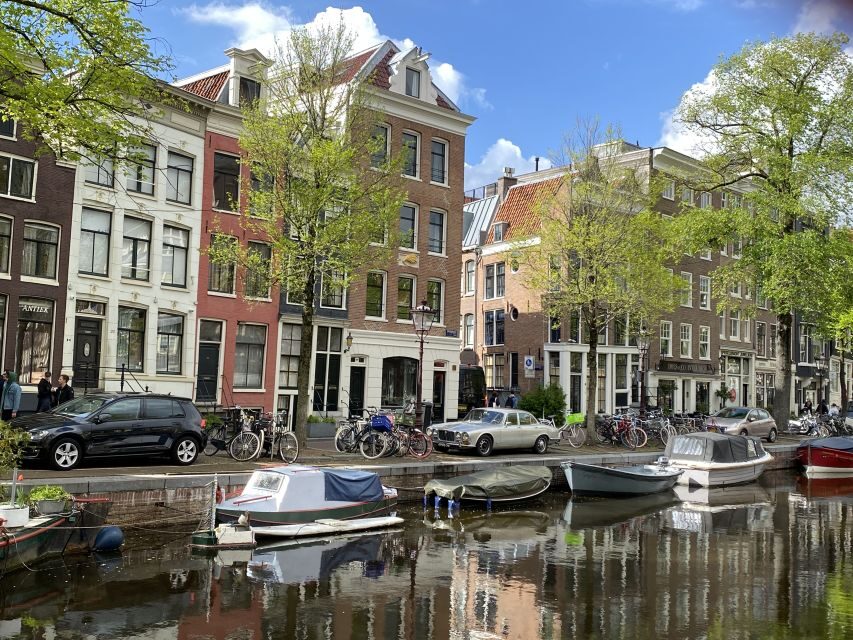
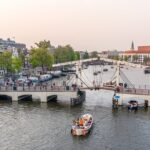
After Dam, the tour heads toward the Torensluis area. You pass Magna Plaza and then enter Torensluis, described as Amsterdam’s former Maut bridge—basically, a piece of city infrastructure that shaped how people and goods moved.
This is one of the most valuable segments because it connects a visible spot to a city-wide system: the canal belt and how it developed over time. I love when a tour makes you understand a place by explaining the function behind it, not just naming the street.
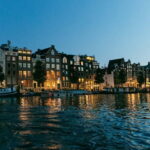
As you walk, you’ll also be guided toward Amsterdam’s signature architecture—especially the carefully designed details that make canal houses so distinctive. This is where you start noticing features you’d otherwise skim past, like how buildings face the water and how the look of the canal side becomes part of the city’s identity.
If you’re the kind of person who likes spotting tiny clues while walking, this stretch rewards you. You’ll see enough that the city stops feeling like a postcard and starts feeling like a system you can read.
Western Islands and Houseboats: Real Daily Life Off the Photo Trail
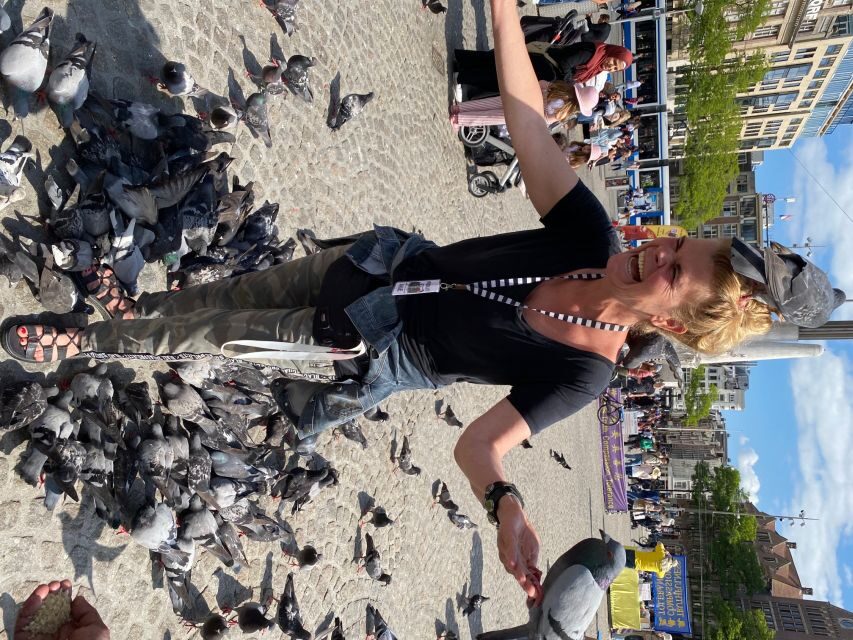
Then comes a turn that many visitors skip. You’ll continue along major canals toward the Haarlemmer Buurt and the Western Islands. The idea is to show you more than the showpiece canals—this is where the tour points you toward the quieter, more lived-in feel, including former small shipyards.
You’ll also hear about how the Western Islands fit into Amsterdam’s canal world, and you’ll pass houseboats along the way. That matters because it reminds you that Amsterdam isn’t only historic decoration. People still choose to live on water here.
One line from the tour description stands out: the tour suggests that if you want, there’s also the possibility to swim. I can’t promise you’ll want to do that, or that conditions will suit everyone, but it does signal the tour’s intent: this isn’t just looking from the bridge. It’s about understanding the water as part of daily Amsterdam life.
What I’d plan for: this part can feel moodier in weather because you’re outside more and walking longer alongside open water views. Bring water, and don’t underpack if rain starts.
Westerdoks and the New Amsterdam Side: How the City Keeps Expanding
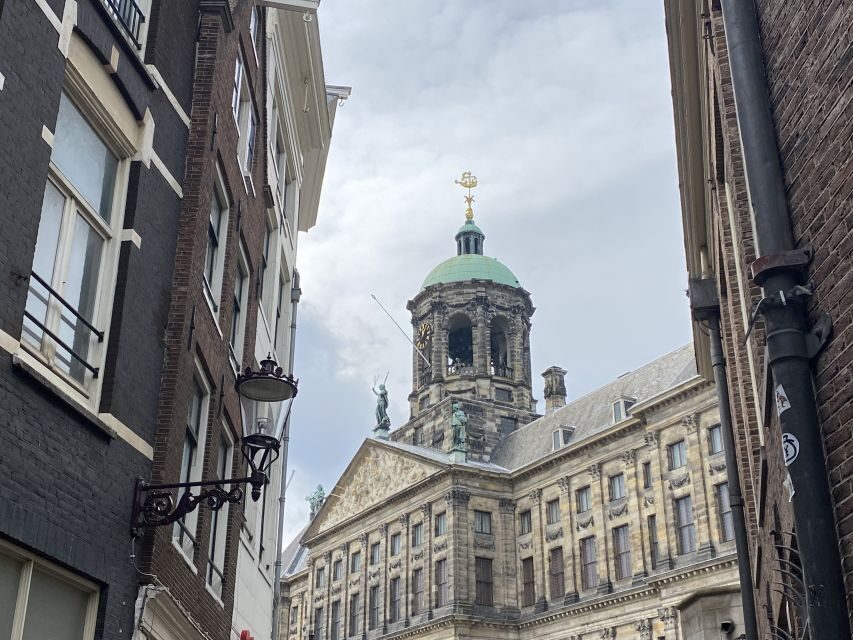
After you loop back, you’ll pass the newly designed Westerdoks area. That modern stretch is a good counterweight to the centuries-old parts of the city. It’s easy to visit Amsterdam and only see what’s old and famous—but this walk gives you the sense that Amsterdam keeps evolving around the water and canals.
Westerdoks is described as a modern design area with unique houseboat presence, so you’re not just crossing a dead zone of new buildings. It feels like a continuation of the canal tradition, but with today’s architecture and planning style.
What you’ll get here is a change in pace and visual language. Older Amsterdam can feel like it’s frozen in time. Westerdoks makes it clear that the city is still making choices about housing, transport, and water edges—choices that look different than the Golden Age, but still belong to the same city logic.
Brouwersgracht and the Warehouse-to-Street Shift Toward Prinsengracht
Next, you’ll move toward Brouwersgracht, described with an important detail: you pass converted warehouses. This is the kind of stop that helps you understand Amsterdam’s habit of reusing buildings rather than discarding them.
From there, the walk continues toward the outer canal reaches, including Prinsengracht and the Jordaan direction. These names mean something after you’ve heard the canal belt explanation earlier. Instead of memorizing, you start mapping mentally: which canal ring you’re on, how the city spreads, and how different neighborhoods relate to the water.
You’ll also get the chance to take in the 17th-century canal houses and their architectural details, tied to Amsterdam’s Golden Age wealth. I like that the tour doesn’t treat the “Golden Age” as a vague label. You’re shown how wealth became form—how building design and canal-side craftsmanship created a lasting look.
This segment is also photo-friendly, but don’t get stuck framing shots. The best part is the guide’s interpretation of what you’re seeing, especially how architecture and planning reflect the city’s trading roots.
You can also read our reviews of more guided tours in Amsterdam




Jordaan and Noordermaarkt: Markets, 9 Straatjes, and the Feeling of Being Local
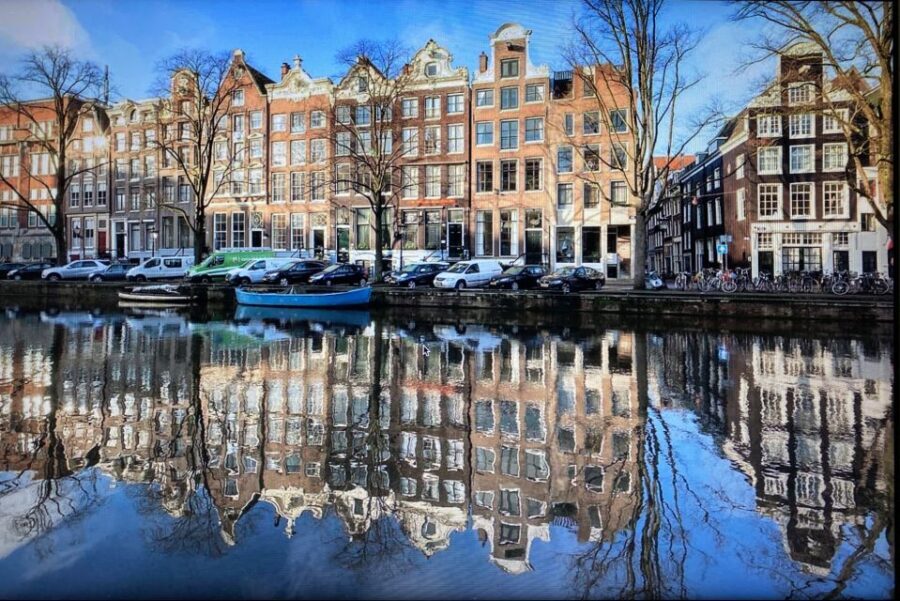
One of the most praised parts of the experience is the neighborhood focus, especially around the Jordaan and the Noordermaarkt area. The Jordaan is described as Amsterdam’s most lively and charming neighborhood, and the tour uses it for more than sightseeing.
The Jordaan segment includes history and makes you look at the neighborhood structure rather than only the buildings. You’ll also learn about the canal networks that feed into it, and how the smaller canals shape the local vibe.
If your tour day lines up with market activity, the guide may add the Noordermaarkt stop with time to stroll along stalls. The description mentions trying haring and Amsterdam’s well-known ice cream, which is helpful because it turns the tour into a practical food-and-street experience instead of a history-only outing.
And if you want to continue your day after the walk, the tour may help you with recommendations for dinner restaurants nearby and advice on appeltaart (the description calls out the best appeltaart) plus drinks. I like this type of guidance because it saves you the “What should I eat?” spiral once you’re hungry.
A bonus for anyone who enjoys browsing is the mention of the 9 Straatjes shopping area from the Jordaan side. Even if you don’t shop, walking those small lanes gives you the same satisfying feeling as a slow, local stroll.
Anne Frank House and Westerkerk: Big Names, Smaller Canal Atmosphere
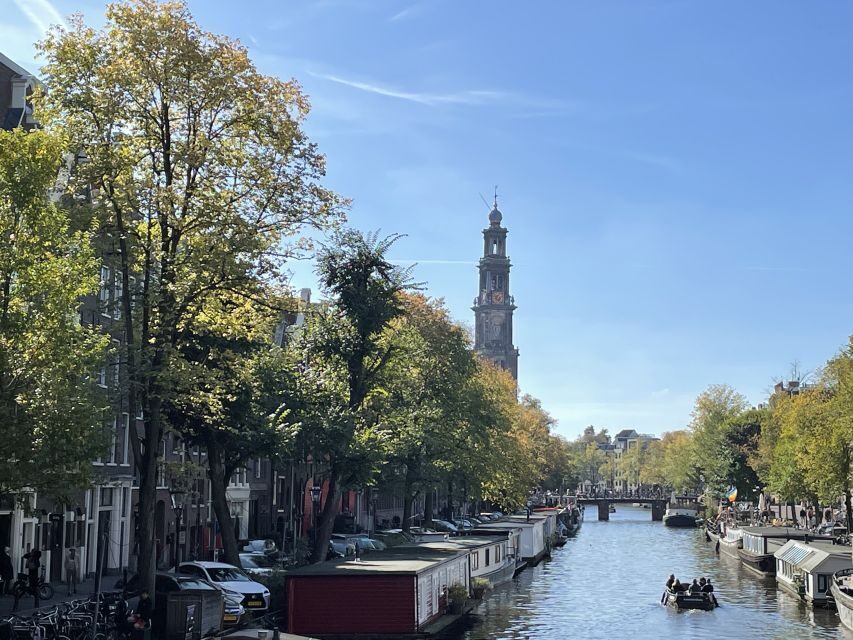
Near the end, the walk brings you past the Anne Frank House and around Westerkerk, including its tower. You get these famous locations, but the point here is how they fit into the surrounding everyday streets and smaller canals of the Jordaan.
The tour description frames this as seeing the sites while also feeling the surrounding neighborhood life—rather than treating Anne Frank House and Westerkerk as separate tourist islands. That matters if you’ve been seeing Amsterdam through only the top checklist.
Westerkerk’s history and the eventful story around the tower are mentioned as part of the guide’s explanation. This helps because it prevents the area from becoming only a photo stop. You’ll know what you’re looking at, and you’ll have a better sense of why the building is where it is.
Practical note: the tour can include a look at the Homomonument area and then an optional return accompaniment back to the meeting point on Beursplein after that stop. Even if you don’t end up taking the return, it gives you a clean handoff so you’re not stranded in the city center with no plan.
What the Guides Actually Add (Anna, Natascha, Fred)
The tour is delivered by Herzblut Amsterdam Stadtführungen, and the quality of the experience depends heavily on the guide’s storytelling. The feedback you’ll see for this format highlights a pattern: friendliness, strong knowledge of Amsterdam history and architecture, and the way guides help you orient yourself early in the trip.
Guides named in the feedback include Anna, praised for being super friendly and sharing information beyond standard facts. Natascha is called out as a great guide for helping people get their bearings, especially when they joined early in their vacation. Fred is specifically praised for knowledge of Amsterdam history and architecture.
Why does that matter for you? Because a good guide turns a 2.5-hour walk into something you keep using later. You start recognizing canal names, understanding why neighborhoods feel the way they do, and feeling comfortable navigating the city on your own afterward.
Price and Value at $46 for a Small German Group
At $46 per person, this tour sits in a reasonable range for Amsterdam guided walking experiences, especially given what you get in 2.5 hours: multiple neighborhood transitions, serious landmark coverage around Dam, and canal-side storytelling that ties the city’s layout together.
The small-group setup is part of the value equation. The overview mentions a max group size of 4, while the activity info states a maximum of 6 participants. Either way, it’s clearly designed to be intimate, not crowded. In practical terms, that means you’re more likely to hear the guide, ask questions, and keep your attention on the route instead of fighting for space.
One more value point: the guide language is German. If you’re comfortable with German—or you’re traveling with someone who is—this tour becomes easier to enjoy. If you only speak English, this may be less ideal because the explanations are not listed as English-first.
Practical Tips Before You Step Onto the Route
This is a true walking tour, so your packing list should be boring in the best way.
Bring comfortable shoes (non-negotiable), water, sunscreen, and comfortable clothes. The city weather can shift, and the tour runs rain or shine. If you’re someone who plans ahead, you’ll enjoy it more because you won’t be battling cold or wet feet while trying to learn canal history.
Also, note the tour’s behavior rules: no intoxication and no alcohol and drugs. That keeps the group focused and makes the conversations with your guide more pleasant.
Finally, expect the tour to be Germany-guide style: structured, story-driven, and oriented around what you’re seeing at each stop. You can also use the walk to plan your next meals and dinner ideas in nearby areas.
Should You Book This Off-The-Beat Route Through Canals and Jordaan?
I’d book this tour if you want Amsterdam to make sense fast. The route combines the classic core—Dam Square, key churches/monuments—with a strong canal belt explanation and real neighborhood feel in the Jordaan and Noordermaarkt areas. You’ll leave with better navigation instincts, not just photos.
Skip it only if you’re not up for a 2.5-hour rain-or-shine walk, or if German is a dealbreaker for you. If you prefer English narration, you’ll likely struggle to follow the details that make the tour special.
If you’re planning just one guided experience in Amsterdam early on, this is a smart choice. It gives you a framework for the rest of your days—so later, when you wander on your own through side streets or even the 9 Straatjes, you’ll know what you’re looking at and why it matters.
FAQ
How long is the Amsterdam guided off-the-beaten-track walking tour?
The tour lasts 2.5 hours.
Where does the tour meet?
You meet at BEURSPLEIN / Damrak, about 350 meters from Amsterdam Centraal Station.
What language is the live guide?
The live tour guide speaks German.
How big is the group?
It’s a small group limited to 6 participants. The overview also mentions a max of 4 persons.
What sights will we see during the walk?
You’ll cover stops around Dam Square (including the Royal Palace, National Monument, and Nieuwe Kerk if accessible), Amsterdam canals such as Torensluis, Herengracht and Prinsengracht, plus areas like the Jordaan, Noordermaarkt, and views around the Anne Frank House and Westerkerk.
Will we be able to go inside buildings?
The plan is to take a look inside if public access is available.
Does the tour run in bad weather?
Yes, it runs rain or shine.
Is the tour wheelchair accessible?
Yes, the tour is listed as wheelchair accessible.
What should I bring?
Bring comfortable shoes, sunscreen, water, and comfortable clothes.