Amsterdam’s story begins with money and rules. That’s exactly how this 3-hour walking tour frames the city: you start at Beursplein, then walk through neighborhoods most people only skim, with honest context about religion, tolerance, and change. What I like most is the focus on how Amsterdam became a global power and how the city’s values shaped what you see today. The other big plus is the local, English-speaking guide—people tend to come away with clear explanations and even useful tips for the rest of their trip. One drawback to consider: it’s still a 3-hour walk, and it isn’t listed as suitable for people with low fitness.
You’ll also get a “no cliché” route through heavy-hitter areas like the Red Light District and Dam Square, plus side streets that connect Amsterdam to global trade networks. If you want photos-only sightseeing, this may feel more like a history lesson on foot than a checklist.
In This Review
- Key highlights that make this tour worth your time
- Entering the walk at Beursplein, Amsterdam’s trade heartbeat
- From Beursplein past the Red Light District: tolerance told with receipts
- Chinatown and Nieuwmarkt: walls, the Waag, and Rembrandt’s guild connection
- The Jewish Quarter and the Portuguese Synagogue: refuge and lasting contribution
- Canal-side façades and the Dutch East India Company legacy
- Finishing at Dam Square: the Royal Palace and a city that never stops arguing
- Price and what $38 really buys you for 3 hours
- Who should book this Amsterdam history walk (and who might skip it)
- Should you book Amsterdam: History, Culture & Hidden Gems Walking Tour?
- FAQ
- How long is the walking tour?
- What is the price per person?
- Does the tour include entry tickets to attractions?
- Where is the meeting point?
- Is the tour in English?
- Is this tour suitable for people with low fitness?
- Is cancellation free, and is there a pay-later option?
Key highlights that make this tour worth your time

- Beursplein’s trading roots: you begin at the square tied to Amsterdam’s merchant empire and early finance.
- A respectful Red Light District lens: history first, not shock value.
- Nieuwmarkt + the Waag: you’ll connect medieval trade, walls, and later culture in one logical walk.
- Jewish Quarter with the Portuguese Synagogue: refuge, resilience, and lasting influence in the city’s identity.
- Dutch East India Company power on canal façades: you see how Golden Age wealth left real architecture behind.
Entering the walk at Beursplein, Amsterdam’s trade heartbeat
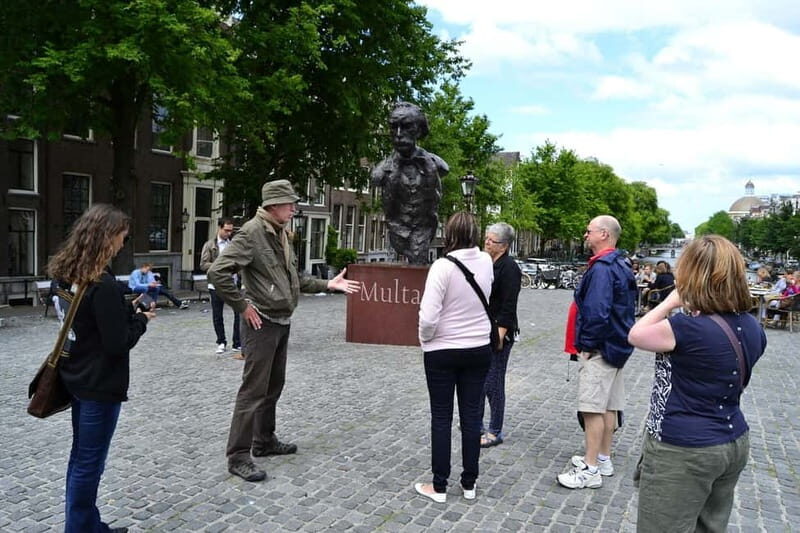
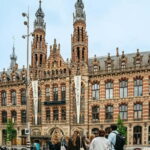
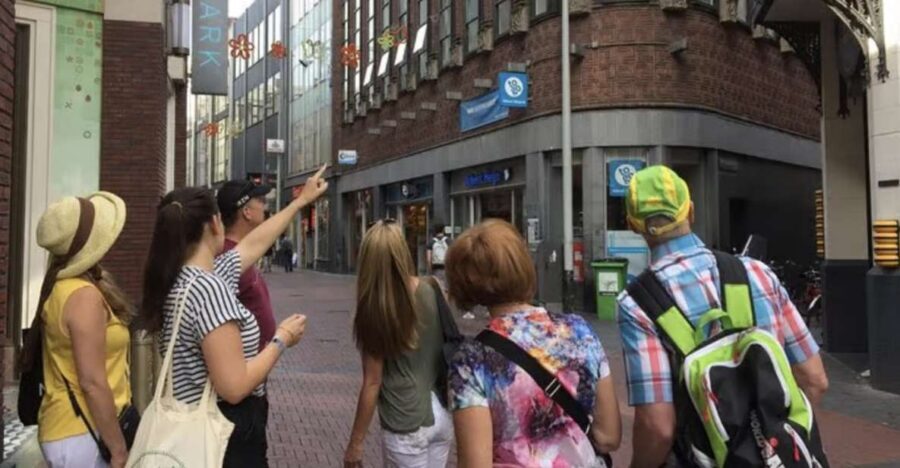
Your meeting point is Beursplien (spelled Beursplein), a small square between Dam and Central Station with a large clock tower and a small stock exchange. If you’re orienting yourself, look for Body Worlds and Primark directly across from where you’ll gather.
This start matters more than you might think. Most Amsterdam walks begin with canals or famous landmarks. This one opens with the city’s engine: trade, banking, and the kind of ambition that shapes the street layout you’ll see later. The guide sets the tone right away by explaining how a modest square became a global financial powerhouse—home to the world’s first stock exchange—and how merchant life helped define Amsterdam’s personality.
It’s also a good way to get your bearings fast. If you’re arriving on the same day you want to explore, the tour gives you a mental map. You’ll soon understand why certain neighborhoods look the way they do, and why buildings that seem unrelated on a casual stroll connect through commerce and power.
Practical note: the tour is designed as walking history, not a sit-and-speak lecture. Wear comfortable shoes, because the “value” here comes from moving between eras.
You can also read our reviews of more walking tours in Amsterdam



From Beursplein past the Red Light District: tolerance told with receipts
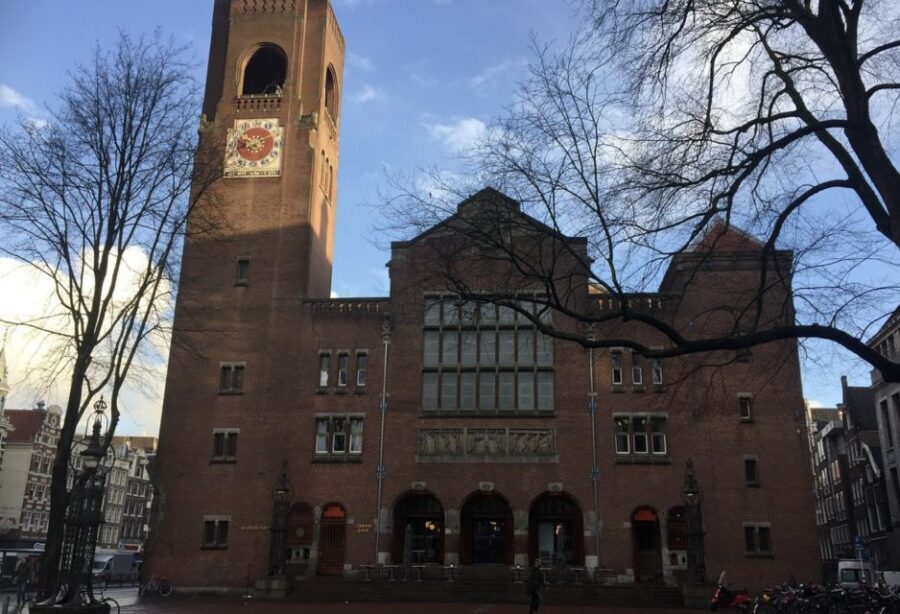
After Beursplein, you head toward the Red Light District—one of Amsterdam’s oldest and most discussed neighborhoods. But the approach here is different. Instead of treating the area like a spectacle, the guide frames it through layered history: medieval structures near modern windows, and an honest look at how Amsterdam developed its tolerance over time.
That lens changes how you notice things. You stop seeing street corners as just nightlife and start seeing them as part of a long-running city debate about law, religion, and coexistence. Amsterdam is famous for being pragmatic, and this is where you see the city’s attitude toward difference put into physical space—sometimes awkwardly, sometimes deliberately.
As you walk, you also get the chance to talk about trade and migration in the same breath as religion. The guide’s stories are set up to help you connect dots: why cities like Amsterdam attracted people, how wealth moved through ports, and how the city handled competing beliefs.
If you’re sensitive to the reality of the neighborhood, this isn’t described as a casual stroll through the most comfortable areas. It is described as respectful and context-driven, which is exactly what you want if you’re trying to understand rather than just gawk.
Chinatown and Nieuwmarkt: walls, the Waag, and Rembrandt’s guild connection
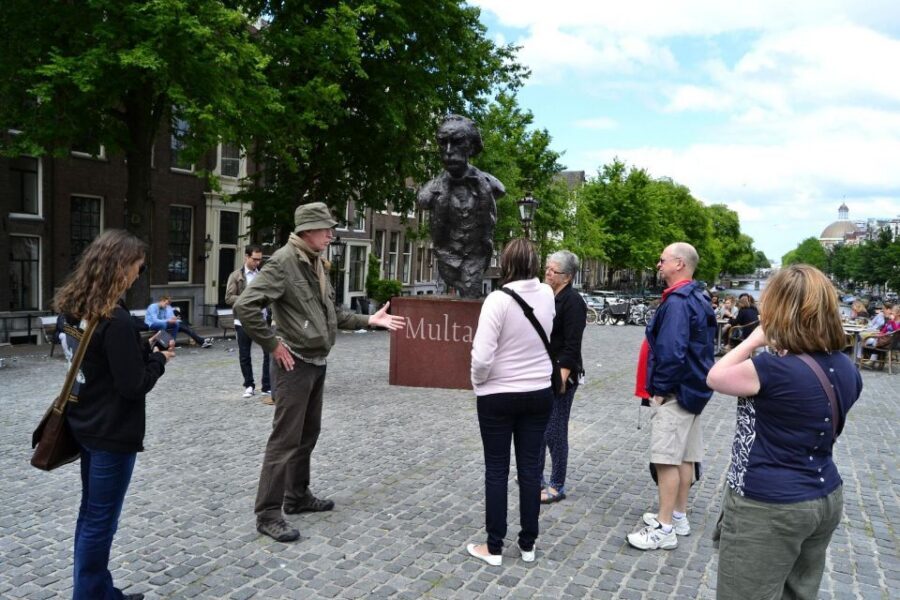
Next up is Chinatown, a lively pocket of Amsterdam where you can feel how the city’s global links became local neighborhoods. The key here isn’t just the sights—it’s the idea that Amsterdam has always been a place where different communities landed, worked, and built cultural life.
From there you reach Nieuwmarkt, once a bustling trade center and now a cultural crossroads. This stop is packed with “small facts that click into place” as you walk.
Here’s what you’ll pick up:
- You’ll see remains of Amsterdam’s medieval walls.
- You’ll visit the area around the iconic Waag building.
- You’ll learn how Nieuwmarkt ties into immigration, diversity, and artistry.
- You’ll hear about the spot where Rembrandt’s painter’s guild once gathered.
That Rembrandt detail is the kind of thing that makes the city feel less like a museum. You start to see how artists, merchants, and communities shared the same urban space, influenced each other, and helped Amsterdam’s culture develop alongside its business.
Also, Nieuwmarkt is a nice change of pace. It’s not the “big monument” route, and that makes it easier to absorb. You’ll still be walking, but you’ll notice more—doorways, street angles, and the way older structures shaped later city life.
The Jewish Quarter and the Portuguese Synagogue: refuge and lasting contribution
As the walk continues, you head near the Jewish Quarter, and one landmark anchors the story: the elegant silhouette of the Portuguese Synagogue. The way it’s explained matters. You’re not just told what the building looks like—you’re guided through the chapter of refuge, resilience, and cultural contribution tied to Amsterdam’s Jewish community.
This kind of stop can change your whole understanding of the city, because Amsterdam’s “tolerance” isn’t a slogan—it’s a history with winners and victims, with laws and compromises. When you learn the context here, you’ll likely view the surrounding streets differently. They stop being just “pretty old Amsterdam” and start looking like lived history.
This part of the tour also supports the broader theme: Amsterdam’s identity formed through arrivals—people with different backgrounds who shaped everything from commerce to art. The guide’s stories are geared toward that big picture, but they keep it grounded with specific places you can still see.
If you care about how cities become what they are—through communities, not only leaders—this is one of the most meaningful segments of the walk.
Canal-side façades and the Dutch East India Company legacy
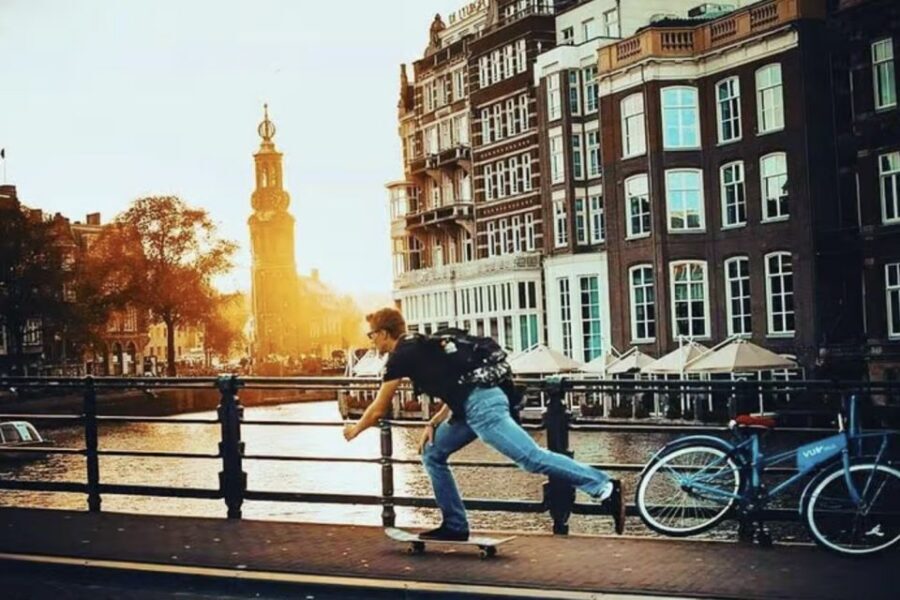
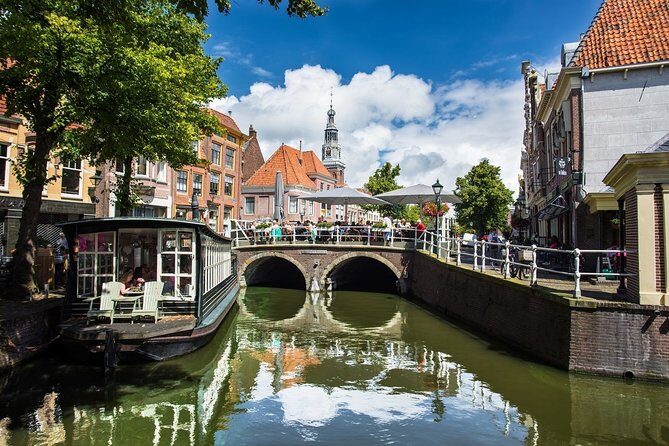
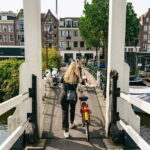
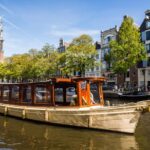
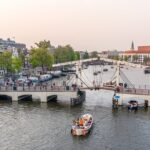
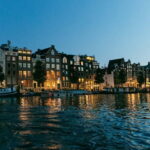
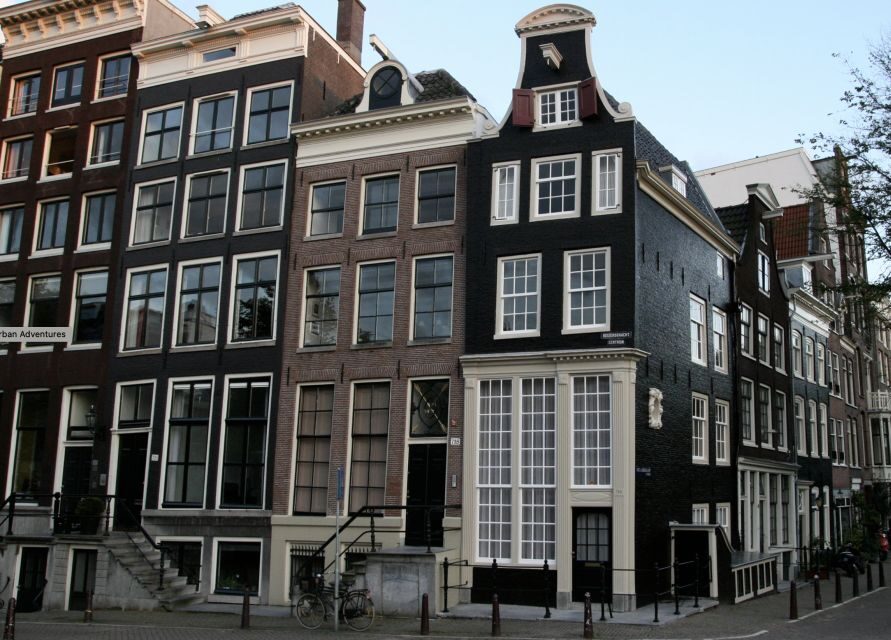
One of the tour’s best advantages is the way it connects ideology to architecture. As you stroll along the canals, you pass grand homes once owned by families behind the Dutch East India Company. Those façades aren’t just decorative. In the guide’s telling, they’re visual evidence of ambition and colonial-era power.
This is one of those “you’ll never look at canal houses the same way again” moments. Amsterdam’s Golden Age is often simplified into paintings and prosperity. Here you get the more complicated reality: the wealth came from global trade networks, and those networks had consequences.
I like that the tour doesn’t pretend the Golden Age was only admirable. You get the ambition and the city-building—and also the weight of empire. It’s a balanced way to understand why Amsterdam’s “bricks and bridges” still carry that legacy in everyday streets.
You should also be ready for canalside atmosphere: you’ll be outdoors for a good stretch, and the weather can shift quickly. A light layer is a smart move year-round.
You can also read our reviews of more historical tours in Amsterdam




Finishing at Dam Square: the Royal Palace and a city that never stops arguing
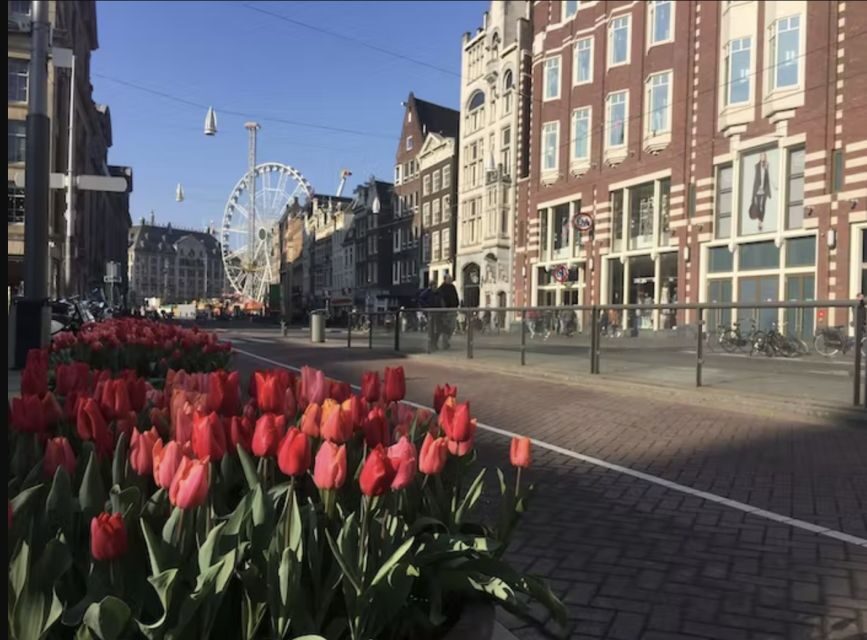
The tour concludes at Dam Square, Amsterdam’s symbolic heart. You’ll stand before the Royal Palace, explained as a former town hall, and you’ll hear how the square has witnessed everything from royal ceremonies to political protests, plus public executions and celebrations.
That range is the point. Dam Square isn’t just where tourists snap photos. It’s where the city staged major moments of authority, conflict, and public life. When you understand that, Dam Square feels less like a backdrop and more like a stage set for centuries of change.
If you’re ending your tour here, you’re also ending in the most practical central hub. From Dam Square you can easily pivot into whatever you planned next—museums, shopping, or a canal cruise—because the walk has already given you context for what you’ll see next.
Price and what $38 really buys you for 3 hours
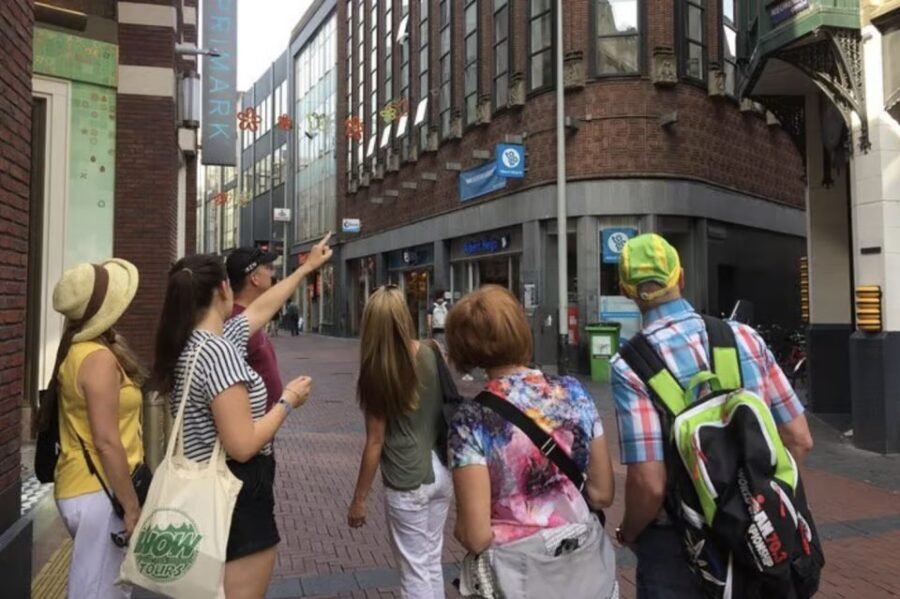
The price is $38 per person for a 3-hour small-group walking experience. For many Amsterdam tours, “history walk” pricing can be all over the map, so it helps to think about value in concrete terms.
What you get here is:
- A live local English-speaking guide
- A route built around specific districts and named sites (Beursplein, Waag area, Portuguese Synagogue silhouette, Dam Square)
- The framing of major themes—trade, religion, tolerance, transformation—so you’re not just walking between unrelated spots
- A tourist city tax included (1.50 EUR per person)
- A doggie companion at certain times (worth knowing if you have allergies or dislike dogs)
What you don’t get:
- No entry into attractions or sites
- Food and drinks, unless the group makes a stop
In other words: you’re paying for interpretation and context, not museum tickets. If you enjoy walking, asking questions, and learning how the city fits together, this is solid value. If you mainly want to step inside major attractions, you may want to pair this with separate ticketed experiences afterward.
Who should book this Amsterdam history walk (and who might skip it)
This tour is a good match if you:
- Want a real Amsterdam orientation on your first day or early in your trip
- Prefer respectful context over cliché sightseeing
- Enjoy neighborhood-level history, especially around trade and immigration
- Like guides who explain the why behind the where
It’s not the best fit if:
- You have low fitness and don’t want a continuous walking pace
- You’re expecting a lot of indoor stops or attraction entry (there won’t be much of that here)
- You’re uncomfortable with the Red Light District area, even when it’s handled respectfully
Should you book Amsterdam: History, Culture & Hidden Gems Walking Tour?
If you want a thoughtful, walkable version of Amsterdam—less postcard, more cause-and-effect—this is an easy recommendation. The biggest selling point is the guide-led storytelling that connects Beursplein finance, neighborhood change, and the long-term consequences of trade and empire. When the narration is done well (and it usually is here), it makes the city feel understandable instead of overwhelming.
My call: book it if you like history that points to visible details. Skip it if you’re only looking for top sights with short explanations. Either way, you’ll finish the walk with a clearer map of Amsterdam—both on the street and in your head.
FAQ
How long is the walking tour?
The tour lasts 3 hours.
What is the price per person?
The price is $38 per person.
Does the tour include entry tickets to attractions?
No. There is no entry into attractions or sites included.
Where is the meeting point?
You meet at Beursplein (Beursplien on the info sheet) between Dam and Central Station. A practical landmark is that Body Worlds and Primark are directly across from the meeting area.
Is the tour in English?
Yes, the tour has an English live guide.
Is this tour suitable for people with low fitness?
It is noted as not suitable for people with low level of fitness.
Is cancellation free, and is there a pay-later option?
The tour offers free cancellation up to 24 hours in advance for a full refund, and it also has a reserve now & pay later option.