REVIEW · AMSTERDAM
Amsterdam: Highlights & History Walking Tour
Book on GetYourGuide →Operated by Trigger Tours · Bookable on GetYourGuide
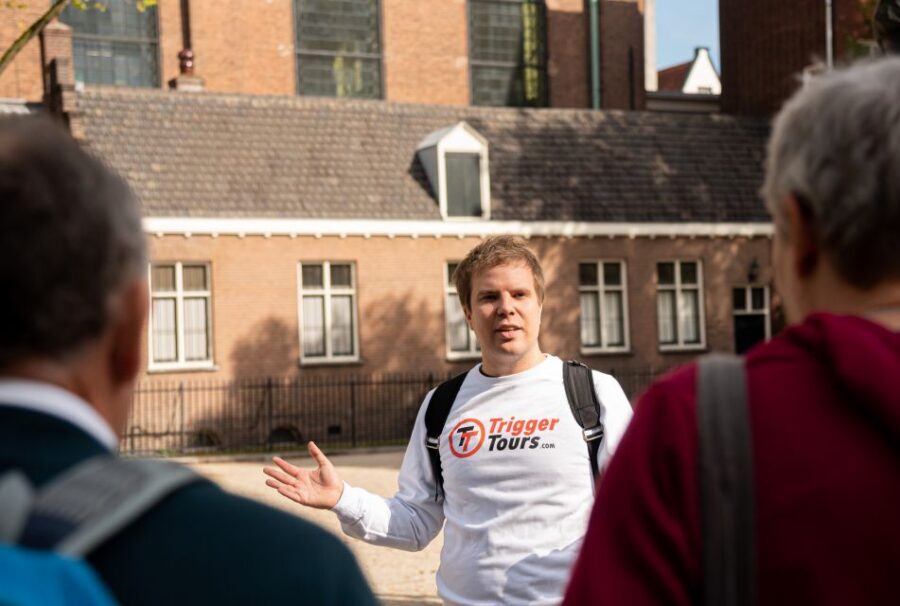
Two hours, and Amsterdam feels instantly clearer. This small-group walking tour threads together the Old Town, canals, and major landmarks so you get context fast, not just photos. I like the way it balances headline sights with side streets where the city feels human and a little quirky.
What I really like is the storytelling from a local guide who can connect buildings to the big themes behind Amsterdam. I’ve seen guides such as Robin, Aaron, Arie, and James bring in cultural oddities, humor, and clear explanations that make the route stick in your head. One standout: hidden-church style stops and quieter corners that you’d likely miss if you’re simply wandering on your own.
One consideration: the walk is tight on time and covers a lot of ground, so go with comfortable shoes. Also, double-check the exact hotel entrance at Park Plaza Victoria Hotel’s main entrance, since a few people report confusion finding the correct door, and the tour finishes at Dam Square instead of back where it started.
In This Review
- Key highlights worth caring about
- First Step: Getting Oriented on Amsterdam’s “Feel-First” Old Town Route
- Royal Palace and Dam Square: The Centerpiece Stops That Set the Tone
- Anne Frank House Area and the Old Church: Serious Places With Human Scale
- Crooked Houses, the Narrowest Street, and Chinatown Side Streets
- Begijnhof and the Narrow Pocket of Quiet Between Landmarks
- Canal Strolls and the Flower Market: What to Watch For
- Red-Light District Context: The Legal History Behind What You See
- Price and Value: Does $32 Buy You Enough in 2 Hours?
- Who This Tour Is Best For (and Who Might Want a Different Fit)
- Should You Book This Amsterdam Highlights & History Walk?
- FAQ
- How long is the Amsterdam Highlights & History Walking Tour?
- How many people are in the group?
- Where do we meet the guide?
- What major sights will we see?
- What is the Flower Market stop?
- What’s included in the price?
- Is food and drink included?
- What languages is the tour offered in?
- Is the tour wheelchair accessible, and is there a private option?
Key highlights worth caring about
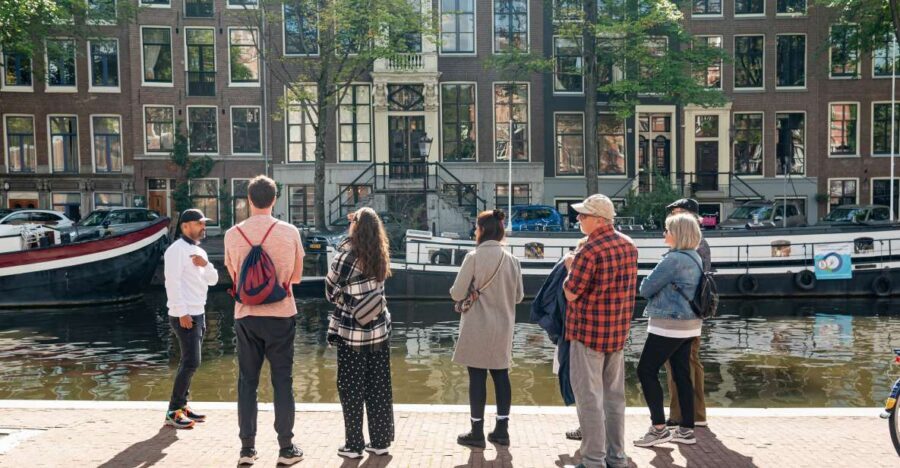
- Up to 8 people: small group size keeps the pace friendly and questions easy.
- Big landmarks plus inner-city details: Royal Palace, Begijnhof, and the Old Town area are paired with canals and alleyways.
- Guide storytelling you can actually use: from Amsterdam’s growth as a fishing village to trade and commerce.
- Red-light district context: prostitution legalization is explained to connect history to what you see today.
- Flower Market stop: you get the floating street market feel and know what you’re looking at.
- Ends at Dam Square: easy place to transition into your next activity in the center.
First Step: Getting Oriented on Amsterdam’s “Feel-First” Old Town Route
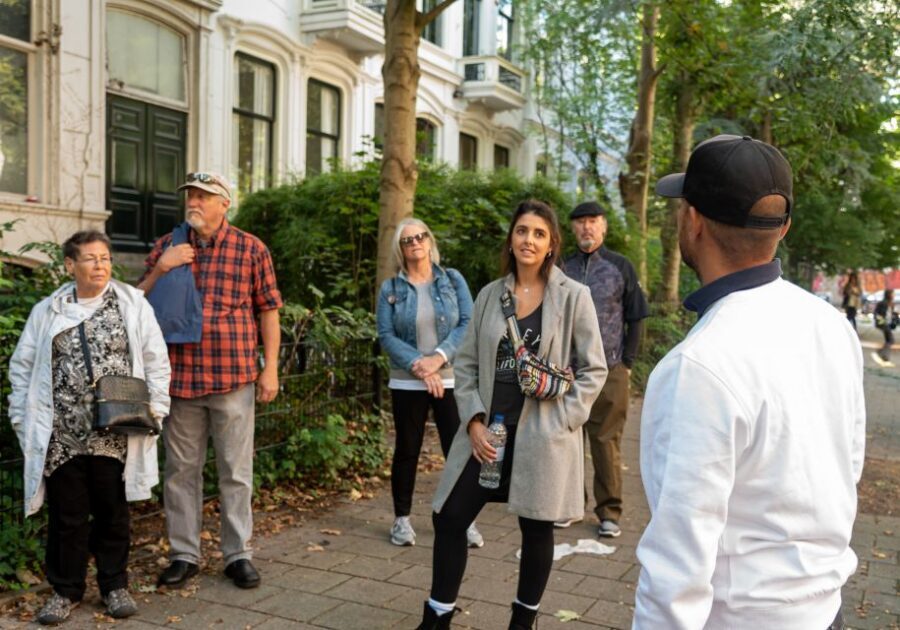
Amsterdam can be deceptively simple until you start asking, Why are things here built like this? This tour answers that with a route that naturally moves from one kind of landmark to the next: historic inner-city sites, canal streets, and the ceremonial heart around Dam Square. At just 2 hours, it’s designed for a first visit or a reset day when you want clarity without committing to a half-day plan.
A key value is the pacing. With a group capped at 8, the guide can slow down when you’re curious and speed up when you’re ready to move. You’ll walk through winding streets and alleyways where the city’s layout tells part of the story, especially around the Old Town area and the canal edges.
You also get a practical mental map. You’ll learn how Amsterdam developed from a small fishing village into a major center of trade and commerce, which makes the city feel less random. Once you have that frame, you’ll notice why so many streets and buildings look the way they do.
You can also read our reviews of more walking tours in Amsterdam


Royal Palace and Dam Square: The Centerpiece Stops That Set the Tone
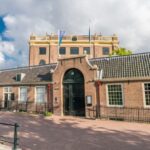
The tour takes you to the Royal Palace area and then through to Dam Square, which is the civic and tourist gravity well of Amsterdam. Even if you’ve seen these spots in photos, walking up to them on foot changes everything. The scale feels real, and you can spot how the surrounding streets funnel crowds toward the main public squares.
The Royal Palace stop helps you understand Amsterdam as more than canals. It’s a city with formal power, public space, and a long habit of turning politics and culture into architecture. Dam Square, meanwhile, is where you’ll feel the city’s nonstop energy without needing to jump straight into a museum.
And since the walk ends at Dam Square, it gives you a clean landing point. After the tour, you’re not stuck trying to figure out where you are relative to the rest of the city. You can pivot into nearby sights, snacks, or a canal cruise if that’s your next move.
Anne Frank House Area and the Old Church: Serious Places With Human Scale
This tour includes a stop in the area around the Anne Frank House and also highlights older religious buildings such as the Old Church. What matters here is not just that the sights are famous. It’s that the guide’s narrative gives you the sense of time and place, so the buildings aren’t just names on a map.
The area around the Anne Frank House can feel emotionally heavy, so having context helps you process it instead of rushing past it. I also like that the tour doesn’t treat history like a lecture. The guide blends the story with street-level observations that keep it grounded.
On the religious side, the tour’s emphasis on older churches and quiet corners is a big reason people enjoy it. One person specifically called out hidden churches as a memorable part they wouldn’t have found alone. That kind of stop is exactly what makes a guided walk worth it: you get access to the small details that make a city feel lived in.
Crooked Houses, the Narrowest Street, and Chinatown Side Streets
Amsterdam has that “how is this street even possible?” energy, and this route leans into it. You’ll see features like crooked houses and the narrowest street in Amsterdam, plus you’ll move through areas the guide refers to as China Town.
These stops are fun, but they also do a job. Crooked houses and unusual street widths aren’t random oddities. They point to older planning rules, land constraints, and the way the city evolved block by block.
The Chinatown side streets add variety in mood. It’s a reminder that Amsterdam’s inner city is not only old and official. It’s also layered with different communities and modern life. Even if you don’t plan to eat there, walking through helps you feel the city’s mix rather than freezing it in a postcard era.
Begijnhof and the Narrow Pocket of Quiet Between Landmarks
One of the smartest choices on this itinerary is the stop at Begijnhof. This is the kind of place where Amsterdam slows down on purpose. You’re still in the middle of the city, but it feels separated from the main flow of traffic and crowds.
Begijnhof is valuable because it breaks the rhythm. After brighter, more public squares and famous landmark corridors, this offers a different texture: a quieter inner space that helps you understand why people historically sought refuge from the street. In a short 2-hour tour, it prevents the experience from becoming one long highlight reel.
If you like your city tours with a little contrast—big views followed by calmer pockets—this part is worth paying attention to. The guide’s explanation helps too, because you’re not just looking at courtyards. You’re learning why this kind of space mattered.
You can also read our reviews of more historical tours in Amsterdam




Canal Strolls and the Flower Market: What to Watch For
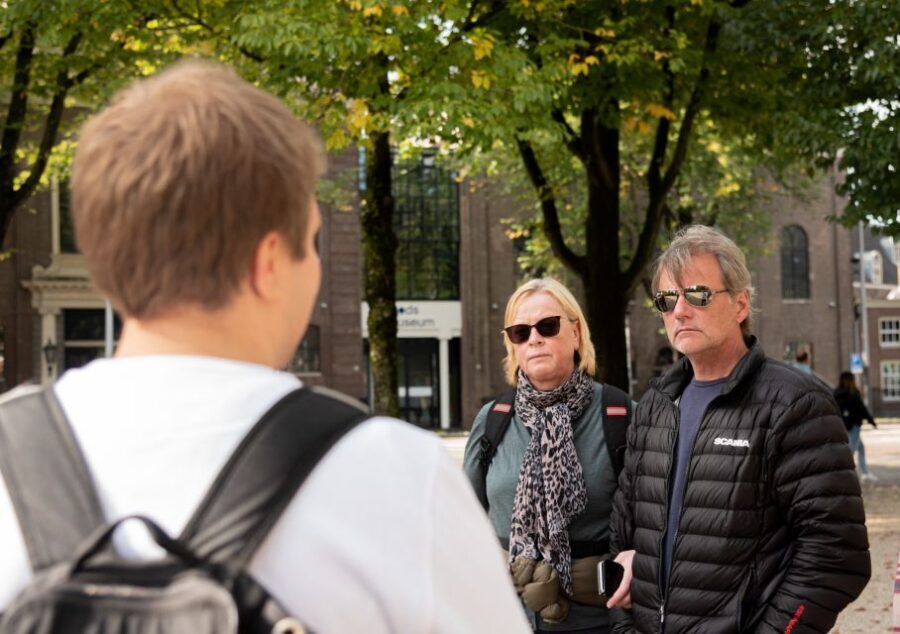
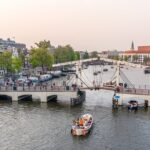
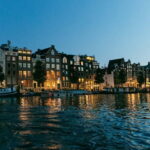
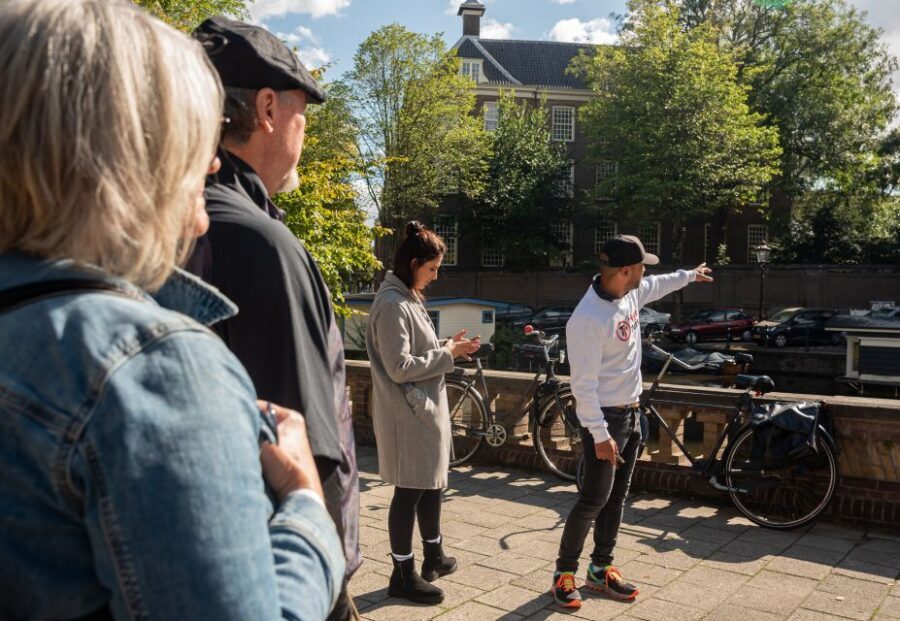
A highlight built into the route is the stroll along Amsterdam’s famous canals, plus a walk to the Flower Market area (the floating street market feel). These moments are often where the tour shifts from “history lesson” to “okay, this is Amsterdam.”
On the canals, watch how the streets and water edges interact. You’ll get a sense of how the city uses water for movement, trade, and identity. It also makes it easier to understand the city’s growth story the guide mentioned earlier.
At the Flower Market, you’re not just there to buy. You’re there to recognize the format: flower-related goods displayed in a way that fits the market’s floating personality. If you’re the type who likes souvenirs, this stop is practical. If you’re not, it still works as a sensory pause before you wrap up at Dam Square.
Red-Light District Context: The Legal History Behind What You See
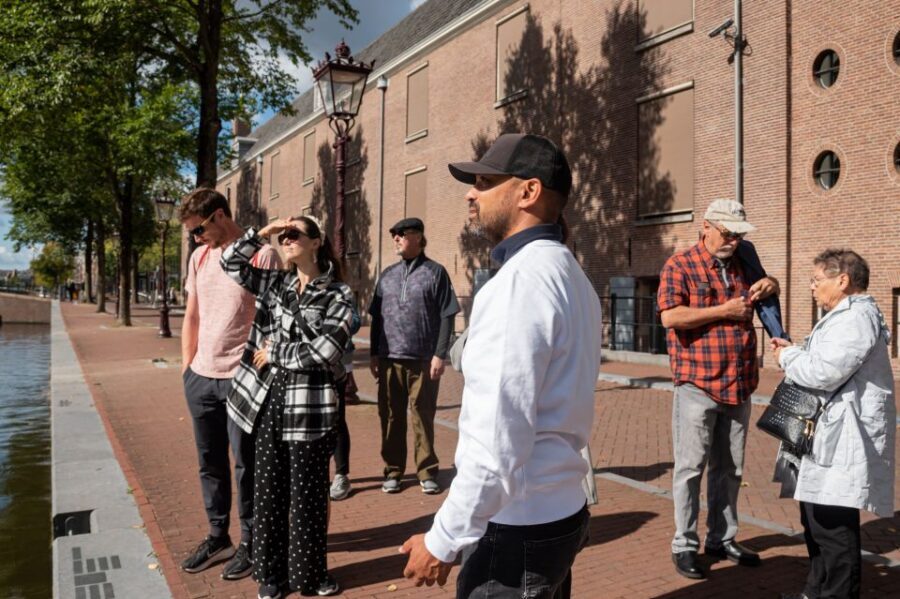
This tour includes a topic that many guides handle awkwardly, but here it’s framed as history and policy. The guide explains the legalization of prostitution in the Netherlands and how that shaped what became known as the red-light district over time.
I appreciate this approach because it avoids the two common extremes: ignoring the subject completely, or treating it like a shock-value walk-through. With context, you understand why the area developed the way it did and why it’s still debated. You’re not being pushed to judge from a distance; you’re being taught how systems and laws influence streets.
If this topic makes you uncomfortable, you can still keep an eye out for how the guide tells it: as history, not spectacle. You’ll likely walk away with a clearer sense of Amsterdam’s social complexity.
Price and Value: Does $32 Buy You Enough in 2 Hours?

At $32 per person, this tour sits in the “good first-day value” category for Amsterdam. The math gets even better because it includes the local guide plus a 1.50€ city tax per passenger.
What you’re paying for is not a museum ticket or entry fee. It’s time with a guide who can connect multiple themes: the city’s origins, its growth through trade, the layout of the inner city, and modern cultural context. In a city where it’s easy to over-plan, a focused 2-hour walk helps you avoid wasting time.
Also, because the group stays small (up to 8 people), you get more attention per person than on big-bus style experiences. That makes the storytelling and Q&A feel more personal, especially if you like asking follow-ups.
Who This Tour Is Best For (and Who Might Want a Different Fit)
This is ideal for:
- First-time visitors who want the main highlights plus context
- People who like short tours with a local voice and some humor
- Anyone who wants to feel Amsterdam’s layers without sprinting across town all day
It may be less ideal if:
- You want long stops, deep museum time, or time to sit and read slowly
- You’re looking for a purely architectural crawl with minimal social history
The good news: even if you don’t love history, the route still works. Guides like Aaron and James are praised for mixing facts with cultural oddities, so you end up with stories that are memorable even if you’re not a “read every plaque” type.
One more practical note: the tour is wheelchair accessible, so it’s built with that in mind for street walking. If you need accommodations, you’ll still want to mention your needs when booking so the operator can plan accordingly.
Should You Book This Amsterdam Highlights & History Walk?
I’d book it if you want a fast, high-impact intro that teaches you how to see the city after you leave. The standout strength is the combination of major landmarks (Dam Square, Royal Palace, Anne Frank House area, Begijnhof) with street-level oddities (crooked houses, narrowest street) and a couple of meaningful social-history threads (including the legalization story behind the red-light district).
I’d skip or switch tours if you’re already comfortable navigating Amsterdam solo and you’d rather spend your time on a single theme, like a full museum day or a longer canal boat plan.
If you do book, do one thing that pays off: bring good walking shoes and come with one or two questions you care about, like how Amsterdam’s trading history affected the city, or why certain buildings look the way they do. With a small group, the guide can actually answer you.
FAQ
How long is the Amsterdam Highlights & History Walking Tour?
The tour lasts 2 hours.
How many people are in the group?
It’s a small-group tour limited to 8 people.
Where do we meet the guide?
Meet in front of the main entrance of the Park Plaza Victoria Hotel.
What major sights will we see?
You’ll cover the Old Town area and see places such as Dam Square, the Royal Palace, Begijnhof, the Old Church, and the Anne Frank House area. The route also includes canal streets, crooked houses, the narrowest street, and China Town.
What is the Flower Market stop?
The tour includes time near the Flower Market area, described as a floating street market where you could buy flower-related items.
What’s included in the price?
A local guide is included, along with a 1.50€ city tax per passenger.
Is food and drink included?
No. Food and drinks are not included.
What languages is the tour offered in?
The guide leads in English, German, or Spanish.
Is the tour wheelchair accessible, and is there a private option?
Yes, it’s wheelchair accessible, and a private group option is available.