REVIEW · AMSTERDAM
Amsterdam: Private World War Two History Walking Tour
Book on GetYourGuide →Operated by Slagveldreizen.nl · Bookable on GetYourGuide
WWII felt close long before you notice it. This private Amsterdam walk zeroes in on the Nazi occupation from 1940–1945, using small-group street-level storytelling that lets you ask questions in real time. I especially like how you get keep-forever handouts, not just a lecture that disappears at the next corner.
Two things I come back to: the tour’s focus on specific, local moments, and the way it anchors big events to exact places you can stand in. You’ll follow the German army entry through the city, then move to Dam Square and the May 7, 1945 shooting incident, with context that helps you understand why these sites matter.
One drawback to plan for: this walk is heavy and specific, and it does not include the big standalone museums (like the Anne Frank House, the Resistance Museum, or the Hollandsche Schouwburg). If you’re hoping for those tickets and add-ons, you’ll want to do them separately, since drinks and museum entries aren’t included—plus you’ll want an open, emotionally ready mindset.
In This Review
- Key Highlights You’ll Remember
- What This Amsterdam WWII Walk Is Really About
- Starting Point at Prinsengracht 263: Get Your Bearings Fast
- The Big Turning Points: Wehrmacht Entry and Dam Square, May 7, 1945
- Winter of Hunger and Food Drops: When Civilians Became Targets of Survival
- Jewish Deportations in Plain Sight: One Amsterdam Street and Every Name
- Coffee Break Mid-Walk: A Simple Pause That Helps You Absorb It
- Auschwitz Remembrance in the Streets: The Violin Player Statue
- Who Leads This Tour, and Why It Matters
- Price and Value: $188 per Group Up to 4
- Things to Know Before You Go
- Should You Book This Amsterdam WWII History Walking Tour?
- FAQ
- FAQ
- Where does the tour start?
- How long is the walking tour?
- What group size should I expect?
- Is the tour available in English?
- Do you use an audio system?
- Are the Anne Frank House, the Resistance Museum, or the Hollandsche Schouwburg included?
- Is there a break during the tour?
- Are drinks or museum tickets included?
- Is the tour wheelchair accessible?
- What should I bring?
Key Highlights You’ll Remember
- Max 4 people, no audio system: more conversation, less rushing, and no headsets in your ears.
- Sober focus on occupation sites: the Wehrmacht entry, Dam Square events, deportation routes, and remembrance points.
- A coffee break halfway through: time to reset, use the restroom, and grab a late breakfast option if you want.
- A small book with names and photos: one Amsterdam street’s Jewish residents, including where they died.
- Auschwitz remembrance in public space: including the famous violin player statue connected to Auschwitz.
- Handouts in writing: practical paper you can take home while the details are still fresh.
What This Amsterdam WWII Walk Is Really About
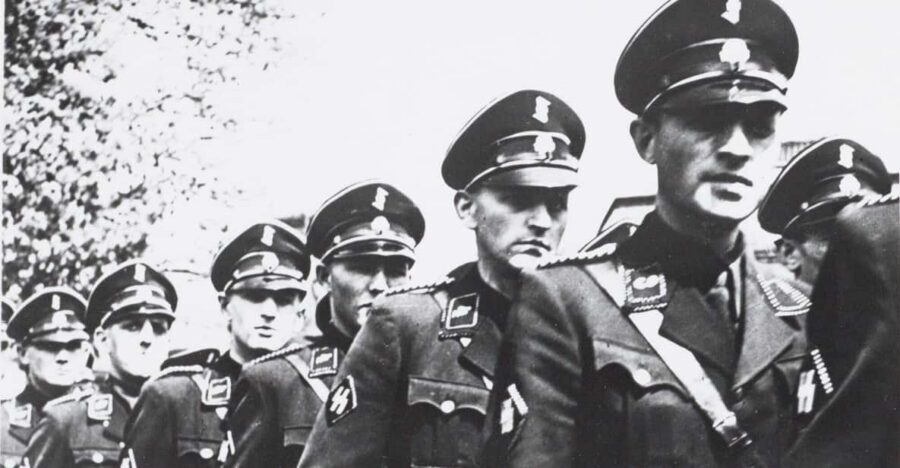
Amsterdam has plenty of ways to tell its 20th-century story, but this tour chooses a tougher route: the Nazi occupation and what it did to real people. Expect a walk that stays anchored to places you can see right now—streets, monuments, and buildings that carry layers of memory.
The best part for me is the human scale. With a group size that never tops four, you’re not a face in a crowd. You can ask questions as you go, and the guide can adjust the pace to what you’re processing.
Also, the tour is built around a clear promise: it won’t try to cover everything. Instead, it zeroes in on key episodes like the entry of the German army, deportations of Amsterdam’s Jewish population, the winter of hunger and food drops, and public remembrance markers.
You can also read our reviews of more walking tours in Amsterdam


Starting Point at Prinsengracht 263: Get Your Bearings Fast
Your walk begins at 9:30 A.M. in front of the old Anne Frank House on Prinsengracht 263. Look for a big notebook in the guide’s hands and a note about the location plate—there’s a good, practical landmark system for finding the exact meeting spot between the museum and the lunch café.
Bring an umbrella. Even in comfortable seasons, Amsterdam weather has a talent for surprising you, and a 3-hour outdoor walk means you’ll feel it if you’re not prepared.
The pace is designed to be flexible. You can walk at your choosing, which matters for two reasons: first, this subject needs time to absorb; second, slower doesn’t mean less content here. If you’re using a wheelchair, the tour is stated as wheelchair accessible, but you’ll want to email in advance so the route and the coffee stop can work for you.
The Big Turning Points: Wehrmacht Entry and Dam Square, May 7, 1945
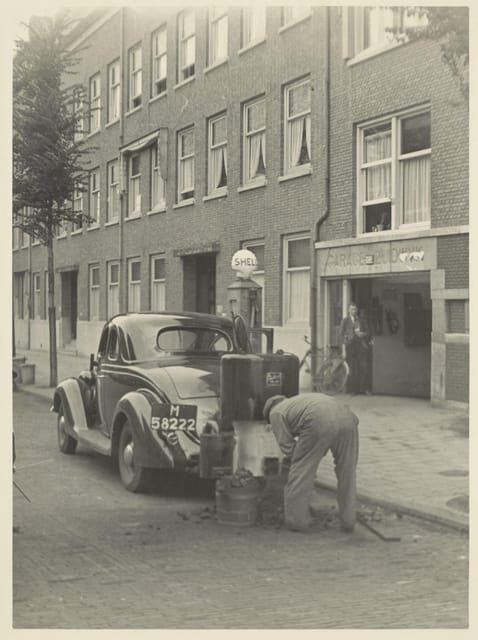
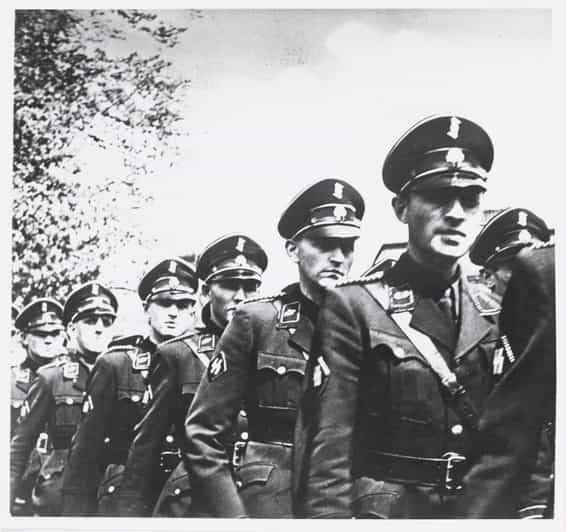
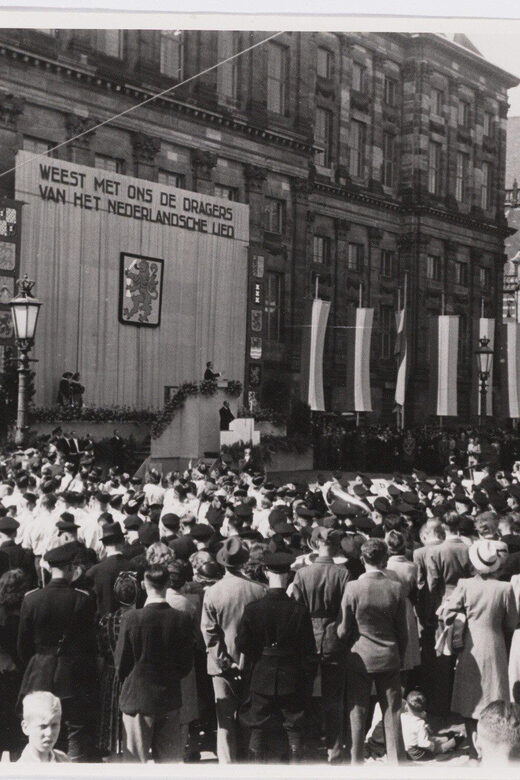
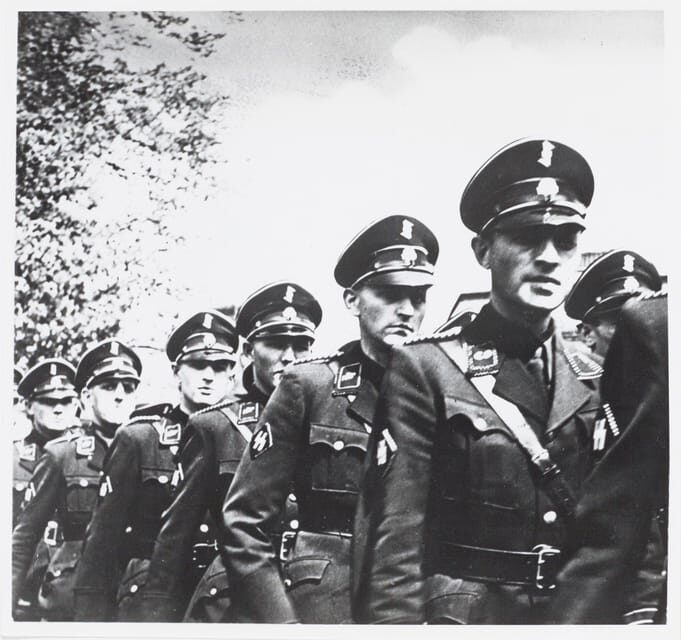
One of the tour’s strongest threads is how it connects occupation to shock moments you can locate on a map. You’ll be shown the German entry (the Wehrmacht) with preserved photos from the period. That matters because it turns propaganda-like distance into something grounded: crowds, streets, and buildings as witnesses.
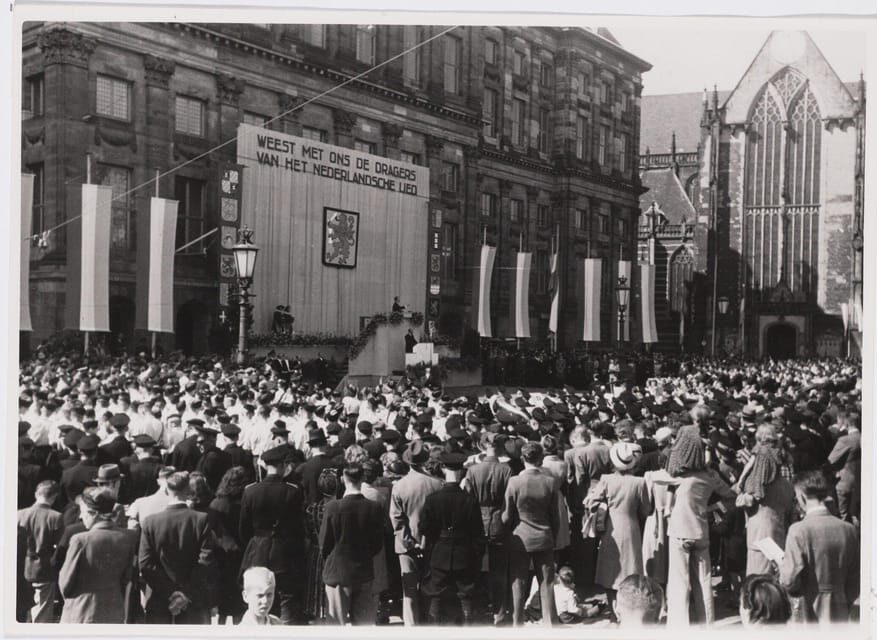
Then comes Dam Square on May 7, 1945, when a shooting incident happened at the end of the war. You’ll discuss what was happening in that immediate aftermath and why the square became part of the city’s memory. Even if you know the general timeline, standing near the location while the guide explains the local context helps you understand how fast emotions turned—from occupation and fear to a complicated kind of relief.
A practical note: this is the kind of tour where it’s worth slowing down and letting the guide finish. The story works best when you don’t treat each stop like a quick photo stop.
Winter of Hunger and Food Drops: When Civilians Became Targets of Survival
Amsterdam’s winter of hunger is not just a phrase. It’s the kind of reality that explains why survival became daily work for ordinary people. On this walk, you’ll hear about the food dropping during the winter of hunger, and you’ll see how the occupation’s pressures shaped civilian life.
What I like about this segment is that it doesn’t stay abstract. It links the human outcome—starvation, desperation, fear—to the way the city functioned under control and deprivation. You end up understanding hunger not as a side note, but as a mechanism of occupation and a defining experience for many residents.
This stop also gives your brain a necessary shift. Earlier you’re dealing with military movement and public violence. Here, you’re asked to face the civilian reality that sat underneath it.
Jewish Deportations in Plain Sight: One Amsterdam Street and Every Name
This is the emotional core of the tour. Instead of giving you big statistics and moving on, the guide focuses on a single Amsterdam street and the Jewish residents connected to it.
You’ll see the selected victims from that street and learn what happened to them—where they died in the extermination camps, including Auschwitz and Sobibor. The tour includes something tangible: a small book made for you with photos and names, so the story isn’t just spoken and gone.
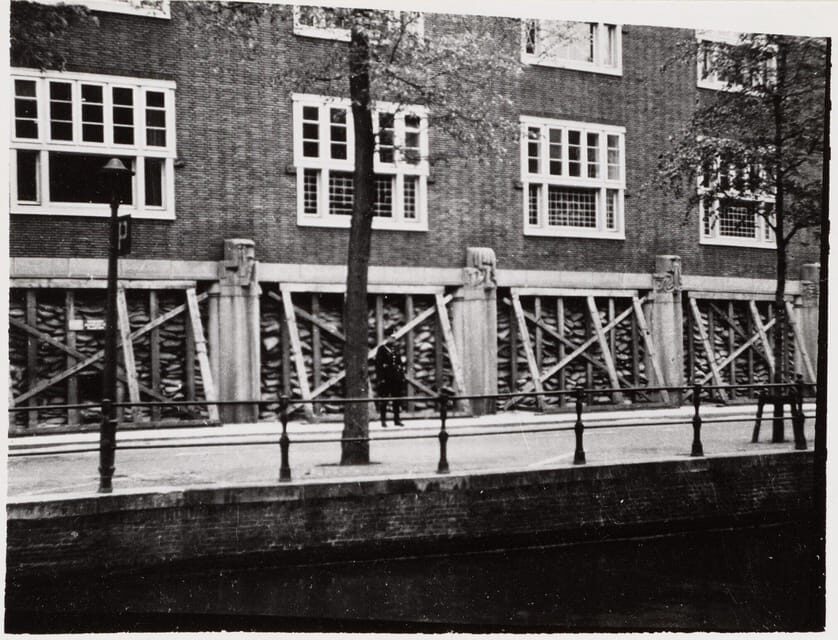
You’ll also learn that many photos were preserved by Dutch resistance fighters, and you’ll be shown several at the locations where the stories happened. That matters because it turns documentation into eyewitness evidence—proof that people recorded the truth even while they were under extreme danger.
One of the most striking details in this tour is the way it connects public spaces with layered morale shifts. For example, you’ll discuss the welcoming of the German army at the former town hall, which today is the Grand Hotel, and the later moment when the Canadian army was cheered. It’s a reminder that the same buildings can carry opposite feelings in a few years, depending on who’s in control.
You can also read our reviews of more private tours in Amsterdam



Coffee Break Mid-Walk: A Simple Pause That Helps You Absorb It
About halfway through, you’ll get a short break for coffee and/or a restroom stop. This isn’t just convenient—it’s smart pacing for a tour like this.
If you want something to eat, the coffee stop can include a late breakfast option, but refreshments are not included, so plan for what you’ll pay there. I like that the tour gives you the option to reset your body so you can keep going with your head clear.
Auschwitz Remembrance in the Streets: The Violin Player Statue
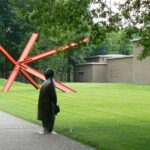
A major highlight is the statue of the famous violin player from Auschwitz. It’s the kind of public memorial you notice only after someone gives you the context, and that’s exactly how the tour works: it helps you see what’s been right in front of you.
This stop isn’t just about recognizing a symbol. It’s about understanding why remembrance is placed where people can encounter it in daily life. The guide connects that statue to the wider deportation story so it doesn’t float in isolation.
If you’re visiting Amsterdam looking for monuments, you’ll probably already be aware of famous memorials. What’s different here is the tour’s decision to pair remembrance with the mechanism of what caused it—occupation, deportation, and the final destinations.
Who Leads This Tour, and Why It Matters
The tour is run by three retired historians with a strong focus on the German occupation of Amsterdam during World War II. Their shared role matters because you often get a more complete picture—different angles, careful explanation, and a pace that doesn’t treat history like trivia.
In the feedback you’ll find a common theme: the guide experience itself is a standout. One guide named Peter (including Peter Schaapman) is praised for exceptional storytelling and a time that felt like it could not be improved. That lines up with what the tour is designed to do: slow enough for real questions, personal enough that answers land in your lap instead of drifting into the background.
Price and Value: $188 per Group Up to 4
The listed price is $188 per group up to 4, for about 3 hours. That makes the cost feel very different depending on how many people you bring.
- If you’re a group of four, you’re effectively splitting the guide fee, so the per-person cost drops a lot.
- If you’re only two, it’s still workable, but you’re paying more per person for a private, non-audio, high-attention experience.
To me, the value comes from three included things you rarely get together in one tour: a very small group, a personal approach without audio, and printed materials you can keep (including the street victim book). If you care about WWII details tied to real places, those handouts plus the chance to ask questions are where the money goes.
Things to Know Before You Go
This is not a quick “see the sights” walk. It’s designed to be thorough with a limited set of topics, which means you should be prepared for emotional content.
Also, plan your expectations around museums:
- You will not visit the Anne Frank House, the Resistance Museum, or the Hollandsche Schouwburg deportation center.
- Museum tickets aren’t included, and drinks aren’t included either.
So think of this tour as the street-and-monument layer that supports, not replaces, the major museum stops.
And yes, you will be outside a good chunk of the time. An umbrella is a small item that can save your whole mood.
Should You Book This Amsterdam WWII History Walking Tour?
If you like your history grounded—on actual corners, inside the logic of occupation, and with real names attached—this tour is a strong choice. It’s especially worth it if you’re traveling with a friend or partner and want the intimacy of a group that never gets bigger than four.
I’d book it if:
- you want a street-level view of Nazi-occupied Amsterdam rather than only museum halls
- you appreciate printed handouts and the chance to ask questions
- you’re okay with heavy topics and want context, not shortcuts
I’d skip or pair it differently if:
- you want only lighter, purely observational sightseeing
- you were counting on visiting the Anne Frank House or the Hollandsche Schouwburg during this specific walk
FAQ
FAQ
Where does the tour start?
The tour starts at 9:30 A.M. in front of the old Anne Frank House on Prinsengracht 263, with a guide holding a big notebook.
How long is the walking tour?
It lasts about 3 hours, though it may extend a bit.
What group size should I expect?
The group size never exceeds 4 people.
Is the tour available in English?
Yes, the live tour guide speaks English.
Do you use an audio system?
No. There is no audio system, because the tour is designed around a personal approach.
Are the Anne Frank House, the Resistance Museum, or the Hollandsche Schouwburg included?
No. This tour does not visit those places.
Is there a break during the tour?
Yes. About halfway through, there is a short break for coffee and/or a restroom stop.
Are drinks or museum tickets included?
No. Refreshments during the coffee stop are not included, and museum tickets are not included.
Is the tour wheelchair accessible?
Yes, it’s listed as wheelchair accessible. If you’re using a wheelchair, it’s advised to email in advance so the route and coffee stop can be planned.
What should I bring?
It’s recommended to bring an umbrella.