REVIEW · AMSTERDAM
Amsterdam Walking Tour:Anne Frank, History & Liberal Culture
Book on GetYourGuide →Operated by EcoEcho tours · Bookable on GetYourGuide
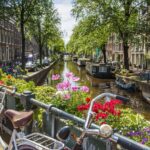
Amsterdam feels human when history walks with you. On this Anne Frank and liberal culture walk, Antonis threads WWII resistance stories through canals and bridges, then ends with coffee and optional Secret Annex VR. It’s not a checklist tour. It’s Amsterdam explained like a real conversation.
I love the way Antonis teaches with storytelling, humor, and hands-on touches like books, visuals, and chalk drawings instead of dry dates. I also like the payoff at the end: warm coffee plus a mini Polaroid souvenir, and a VR experience that lets you step inside the Secret Annex.
One consideration: it’s not set up for wheelchair users, and you’ll do plenty of walking on streets and bridges, so bring comfortable shoes.
In This Review
- Key reasons this tour earns such strong scores
- Anne Frank and liberal Amsterdam, told as a street-level story
- Where you start by Kattengat, and how you set the tone fast
- From Centraal to Tony’s Chocolonely: modern culture in the middle of the map
- A practical note on the walking rhythm
- Aluminium Bridge, Staalmeestersbrug, Magere Brug, and Blauwbrug: canals with meaning
- Water management comes first
- Leaning houses and houseboat charm
- WWII “hidden” stories beneath bridges
- Jewish Quarter time: how the city’s neighborhoods carry the story
- National Holocaust Names Monument: a reflective pause you should take seriously
- Zuiderkerk and Nieuwmarkt Square: liberal culture in everyday public space
- Waag finish: coffee, VR, and the souvenirs that make it stick
- Optional Secret Annex VR (and why it’s worth planning for)
- Small souvenirs that actually work
- Price and value: what $40 buys in a 3-hour small-group format
- Who should book this tour, and who might not love it
- Should you book this Amsterdam Walking Tour: Anne Frank, History & Liberal Culture?
- FAQ
- How long is the Amsterdam walking tour?
- How much does the tour cost?
- Where do I meet the tour guide?
- Is the Secret Annex VR experience included, and is it optional?
- What’s included in the tour besides the walking and guide?
- How large is the group?
- Is the tour wheelchair accessible?
- What should I bring for the walk?
- Can I cancel or pay later?
Key reasons this tour earns such strong scores
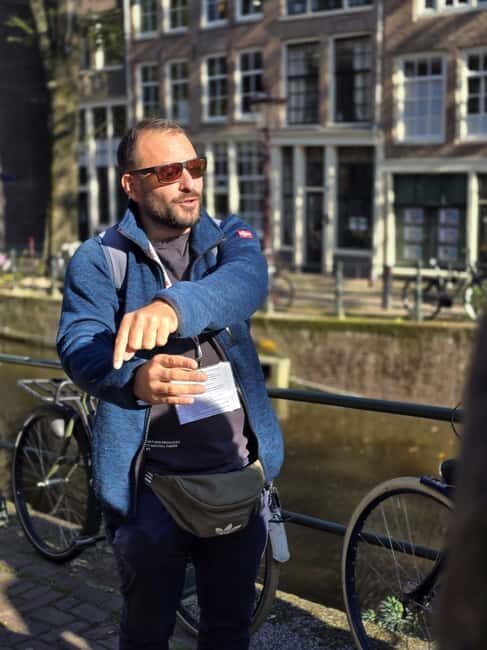
- Small-group feel with Antonis so you get answers, not just headsets and marching orders
- Story-led history with humor, chalk drawings, and visual aids that keep the pace human
- Canals, leaning houses, and water management tied to how Amsterdam actually works
- WWII and remembrance stops built around the Holocaust Memorial experience, not just names and dates
- Optional Secret Annex VR plus coffee so the Anne Frank story keeps moving after the walk
Anne Frank and liberal Amsterdam, told as a street-level story
This tour leans into a simple idea: Amsterdam’s big themes show up in everyday places. You’ll hear about the city’s water management in a way that makes the canal landscape make sense, and you’ll also get the liberal culture behind the myths. The guide frames Amsterdam as a place that argues, experiments, and changes over time.
The Anne Frank thread is the emotional anchor. You connect WWII resistance secrets, the reality of hiding, and the lasting weight of remembrance. Then you get an optional VR add-on for the Secret Annex when you might not be able to get tickets the regular way.
You can also read our reviews of more walking tours in Amsterdam


Where you start by Kattengat, and how you set the tone fast
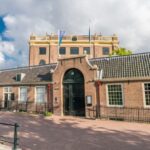
The meeting point is in front of De Silveren Spiegel at Kattengat 4-6. Starting here matters because it puts you immediately in the city’s canal-and-street rhythm, not out in the parking-lot edges.
Early on, you’ll do a short photo stop and guided moment at the HIV/AIDS monument. It’s brief, but it helps set the tour’s style: Amsterdam isn’t only museums and towers. It’s public memory and public values in plain sight, with the guide’s safety briefing included at the start.
Then you move toward Amsterdam Centraal Station for another quick photo stop and guided orientation. Even if you already know the station, it works as a “where are we and why does this matter” checkpoint before the walk becomes more specific and reflective.
From Centraal to Tony’s Chocolonely: modern culture in the middle of the map
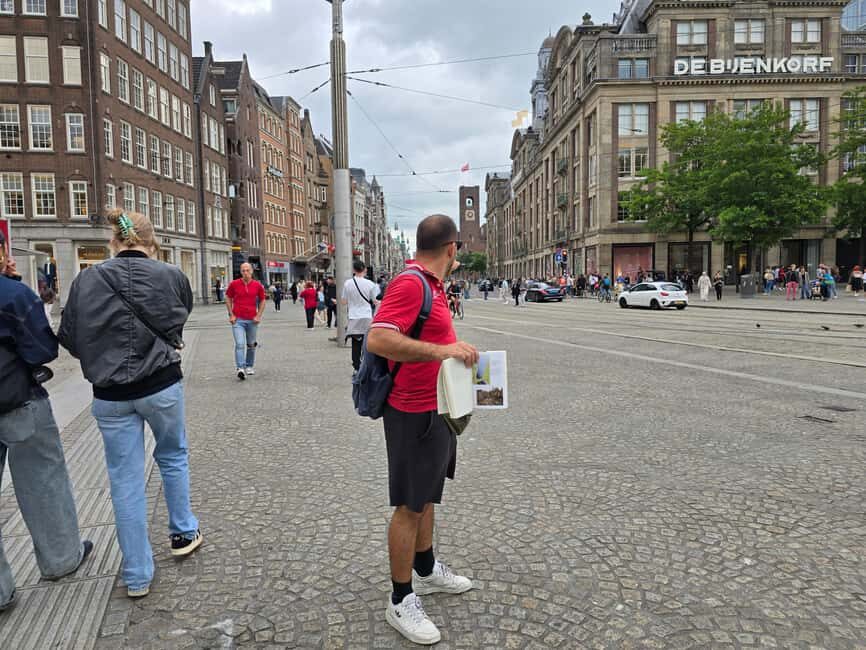
At Tony’s Chocolonely superstore, you’ll pause for a photo stop and the guide’s commentary on everyday modern Amsterdam. This part is easy to miss if you’re only hunting for postcard views. Here, it’s used to remind you that the city’s liberal tone isn’t only about old canals and old crimes. It also shows up in how companies, streets, and attitudes work now.
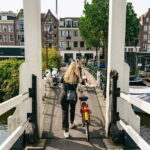
From there, the walk shifts into bridges and canal crossings. This is where you really start seeing why Amsterdam feels different on foot: bridges create your angles, and the water shapes your perspective. You’ll hit several named bridges, and the guide uses them to connect city engineering to local life.
A practical note on the walking rhythm
Pace is relaxed with frequent stops. You’ll still be on your feet for about 2 hours of walking, so plan for steady movement, not a slideshow. You’ll be happy you brought water, especially if the day is warmer than expected.
Aluminium Bridge, Staalmeestersbrug, Magere Brug, and Blauwbrug: canals with meaning
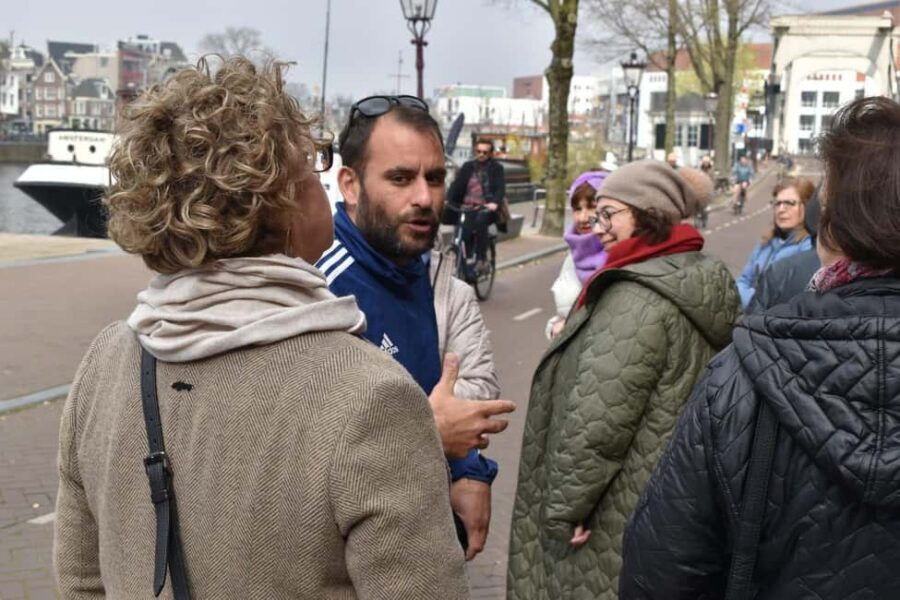
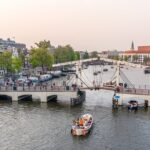
This is the core “see Amsterdam as Amsterdam works” section. You’ll cross and pause at Aluminium Bridge and Staalmeestersbrug, then later at Magere Brug, and again at Blauwbrug. Each stop is a photo moment, but the point is what the guide layers onto the landscape.
You can also read our reviews of more historical tours in Amsterdam




Water management comes first
Amsterdam’s relationship with water is not background noise here. The guide ties water management to why the city is shaped the way it is, and why canals and bridges feel like more than decoration. If you’ve ever wondered how this city avoids constant disaster, this is the part that gives you a mental model.
Leaning houses and houseboat charm
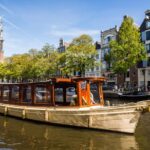
Along the canal route, you’ll learn about the leaning houses and the charm of living on houseboats. Even if you only catch them from the right angle for a minute, the guide helps you interpret what you’re seeing. Leaning becomes less of a random quirk and more of a clue about old building methods and a city built with the water in mind.
WWII “hidden” stories beneath bridges
This tour also mentions hidden prisons under bridges and WWII resistance secrets. The guide doesn’t treat it like spooky trivia. The goal is to help you understand how hiding worked in real city spaces—how ordinary structures could become part of extraordinary survival.
Jewish Quarter time: how the city’s neighborhoods carry the story
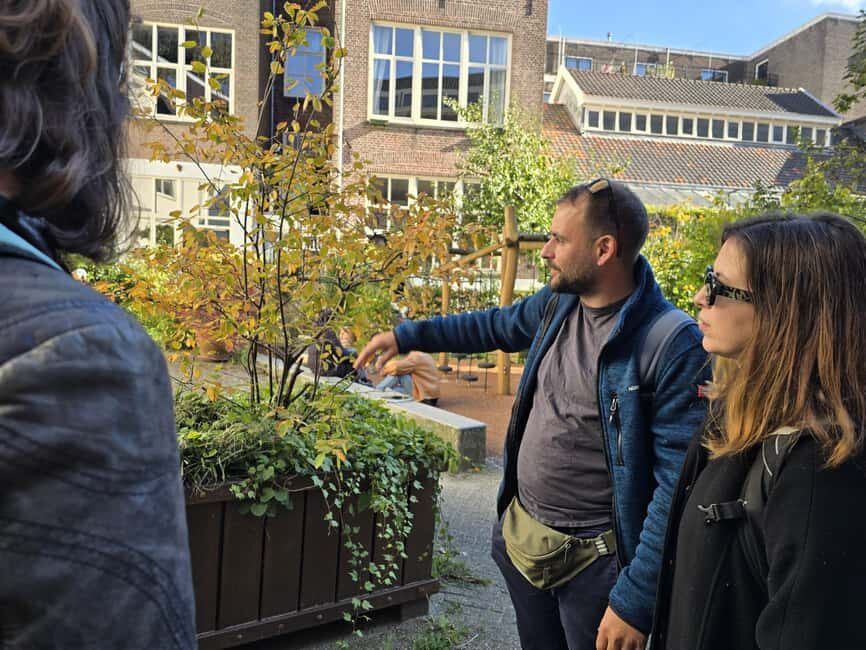
You’ll spend guided time in the Jewish Quarter. This part is more than a location on a map. It’s where the narrative tightens, connecting Amsterdam’s earlier life, its wartime rupture, and the human scale of what happened.
Expect a guided walkthrough rather than a long stop at one single monument. The guide uses the quarter to keep you oriented, then builds momentum toward the remembrance moment later in the walk.
If you like history that connects places to people, this is a good checkpoint. It helps you avoid the “I saw a sign, now I’m done” problem.
National Holocaust Names Monument: a reflective pause you should take seriously
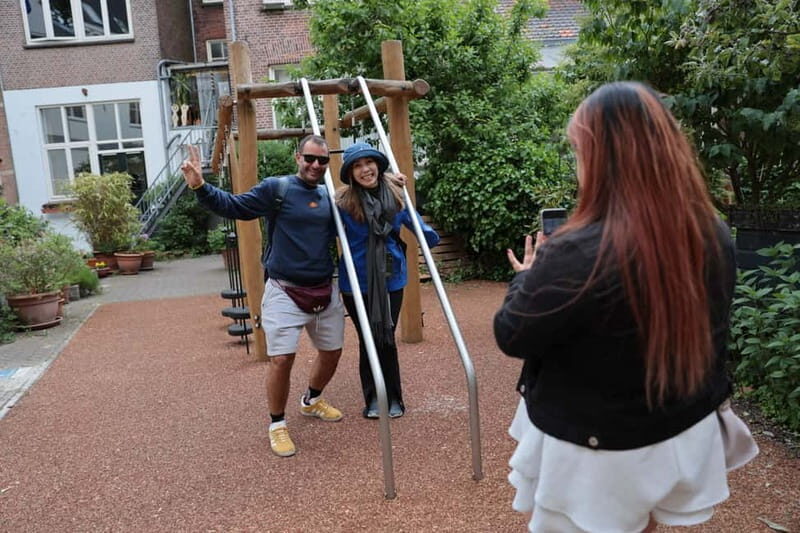
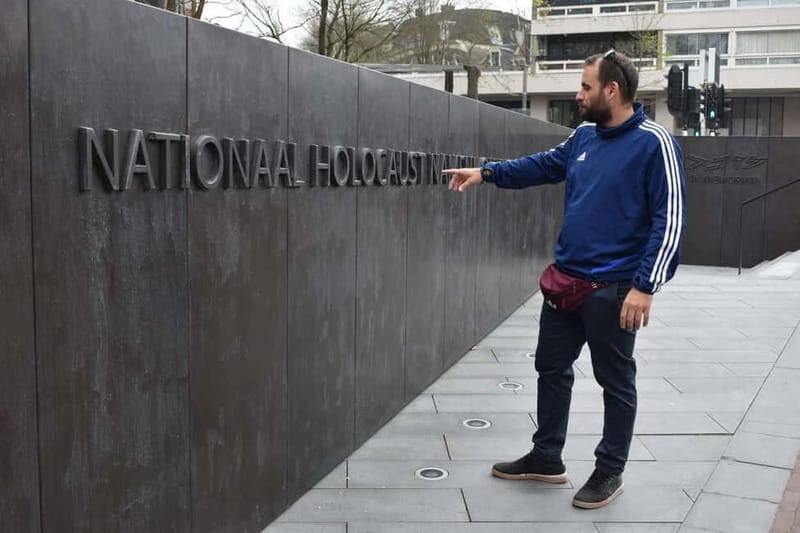
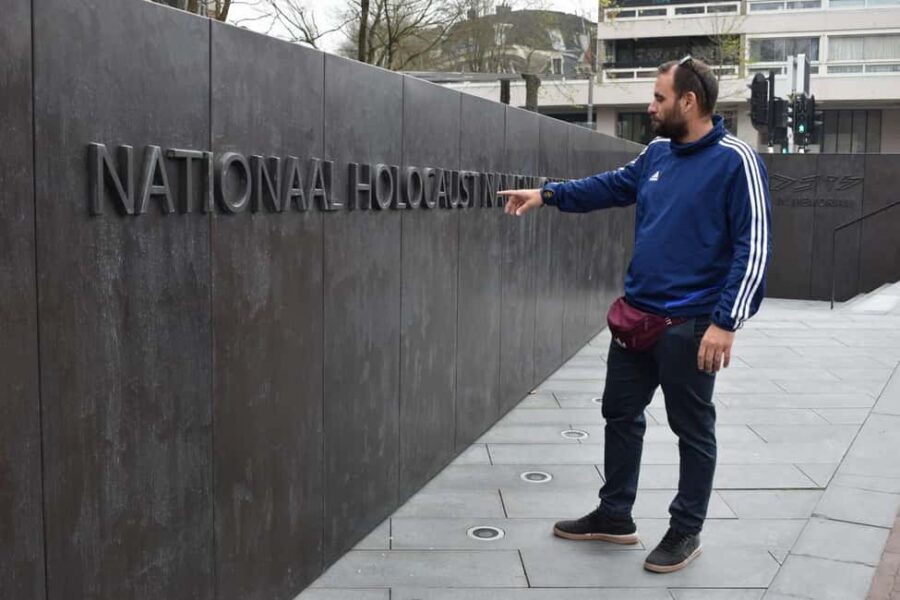
One guided segment is centered on the National Holocaust Names Monument. Plan to slow down here. The point of this stop is reflection—especially because you’re not just learning the Holocaust as a headline. You’re carrying the earlier WWII stories with you as you stand at a place meant for remembrance.
This is also where the tour’s tone matters. The guide blends education with respect, and you’ll feel the transition from street storytelling to a quieter, heavier kind of attention. If you’re the type who likes to ask questions, this is the moment where your guide’s explanation can actually help.
Zuiderkerk and Nieuwmarkt Square: liberal culture in everyday public space
Near Zuiderkerk and Nieuwmarkt Square, the tour keeps moving, but the focus shifts slightly. You’re now in central Amsterdam’s public spaces—squares and landmarks where daily life and civic identity show up.
Zuiderkerk is another photo stop with guided tour time, and Nieuwmarkt Square also gets time for sightseeing and guided context. This is a good pairing because the city’s liberal culture isn’t only argued in writing. It’s visible in how people use space, how neighborhoods hold memory, and how community life keeps going after upheaval.
You’ll also hear about the Dutch educational system and how it contributes to the country’s progress. The value here is practical: you learn why learning in the Netherlands often feels public and built into life, not locked behind walls.
Waag finish: coffee, VR, and the souvenirs that make it stick
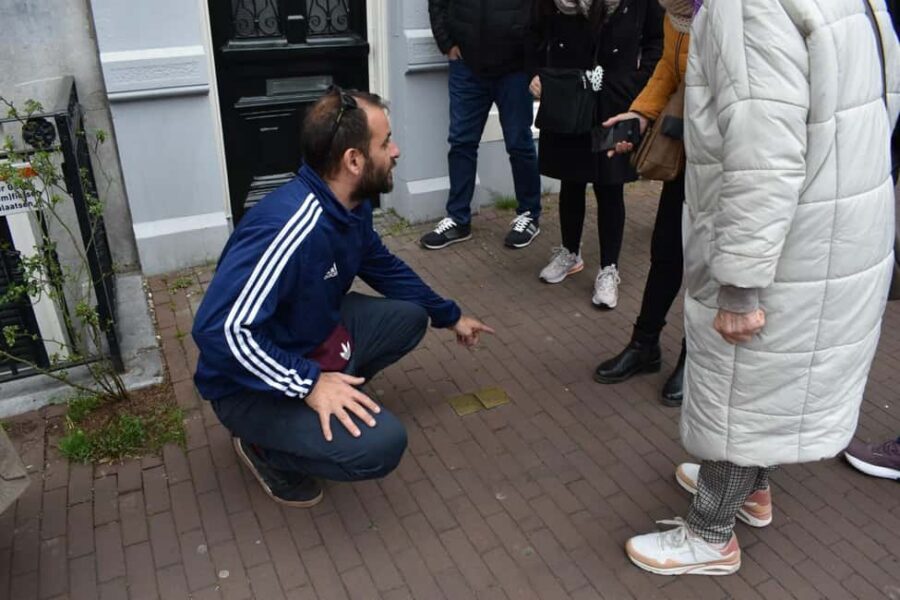
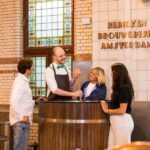
The tour finishes at Waag, but the real “wrap-up” experience happens along the way’s final stop: coffee plus optional VR. The tour includes coffee, and it’s served as a warm conversation break—an unhurried pause where you can ask questions and compare notes with your small group.
Optional Secret Annex VR (and why it’s worth planning for)
The VR portion is optional, and there’s only one VR setup. That matters for timing and comfort: you’re not doing a production line of headsets, and the experience is more like a short shared moment with a guide coordinating the flow.
Even if you’ve already seen Anne Frank House content online, VR here is used to help you connect spatially with the Secret Annex story. The big advantage is simple: you can still get a meaningful Anne Frank experience even when tickets are hard to obtain.
Small souvenirs that actually work
I like tour souvenirs that you’ll keep and use. This one gives you a mini Polaroid photo taken during the experience, plus an Amsterdam postcard with a personalized handwritten message and an official stamp. It’s not a generic printout. It’s a memory you can bring home.
You also get a daily sweet surprise—chocolate or stroopwafel (and it may also come as a biscuit). Plus, your guide provides a list with recommendations for nearby bars and restaurants, which is the kind of helpful detail that makes the tour practical after you’ve left.
Price and value: what $40 buys in a 3-hour small-group format
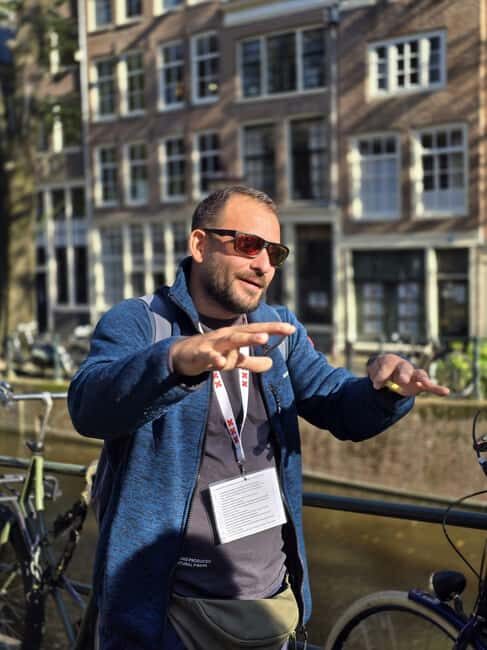
At $40 per person for about 3 hours, the price makes sense because you’re not only paying for walking. You’re paying for a local guide who connects themes—water management, liberal culture, WWII hiding, and remembrance—into one continuous story.
What you’re getting for that money adds up:
- Coffee included, plus a sweet surprise
- A Polaroid souvenir and a signed-style postcard with stamp
- VR access to the Secret Annex (optional, one setup)
- A guide who shares nearby food and bar recommendations
Most walking tours stop at “here are the sights.” This one adds the emotional anchor (Holocaust remembrance) and the practical finale (coffee + VR + take-home keepsakes). If that mix fits your style, it’s strong value.
Who should book this tour, and who might not love it
This works best for first-time visitors who want more than photos. It’s also a great option for solo travelers and couples, because the small-group size keeps the tone personal and conversation-friendly.
You might skip it if you need fully accessible ground routes, since it isn’t suitable for wheelchair users. And if you dislike walking for multiple bridge crossings, you may find the 3-hour duration less comfortable.
Should you book this Amsterdam Walking Tour: Anne Frank, History & Liberal Culture?
Book it if you want Amsterdam explained as a living system—water, neighborhoods, education, public values—and you also want WWII and Anne Frank handled with care. The combination of Antonis’s storytelling style, the Holocaust Names Monument reflection, and the optional Secret Annex VR makes it feel both thoughtful and useful.
Skip it only if you strongly prefer museum-only experiences, or if the walking level won’t work for your body. Otherwise, this is a smart way to see real Amsterdam while still giving your brain and heart a clear, guided story.
FAQ
How long is the Amsterdam walking tour?
The tour lasts about 3 hours.
How much does the tour cost?
It costs $40 per person.
Where do I meet the tour guide?
You meet at De Silveren Spiegel at Kattengat 4-6.
Is the Secret Annex VR experience included, and is it optional?
VR is included, and it’s optional. The tour notes that there is only one VR setup.
What’s included in the tour besides the walking and guide?
Included are coffee, a chocolate or biscuit/stroopwafel sweet surprise, a mini Polaroid photo, a unique postcard of Amsterdam with a personalized handwritten message and official stamp, plus the VR experience.
How large is the group?
It’s a small group with a limit of up to 10 participants.
Is the tour wheelchair accessible?
No, it is not suitable for wheelchair users.
What should I bring for the walk?
Bring comfortable shoes, a camera, water, and weather-appropriate clothing.
Can I cancel or pay later?
Yes. You can cancel up to 24 hours in advance for a full refund, and there’s a reserve now & pay later option.